Opening a phone without cracking the display takes the right mix of grip, leverage, and control. That is where a good phone screen removal tool makes a big difference.
Below, we break down 10 practical picks for different repair jobs, from suction-based openers to full electronics kits that help you work more cleanly and confidently.
Best 10 Phone Screen Removal Tool Picks for 2026
Best for Controlled Screen Separation
iFixit Anti-Clamp Opening Tool
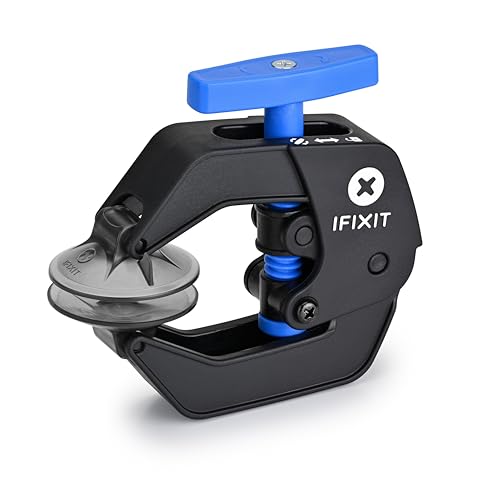
- Adjustable spreading force for safer opening
- Hands-free support while adhesive softens
- Lifetime Warranty from iFixit
Best For: People opening glued phones and tablets who want more control and less prying force.
Best Heat-Free Pick
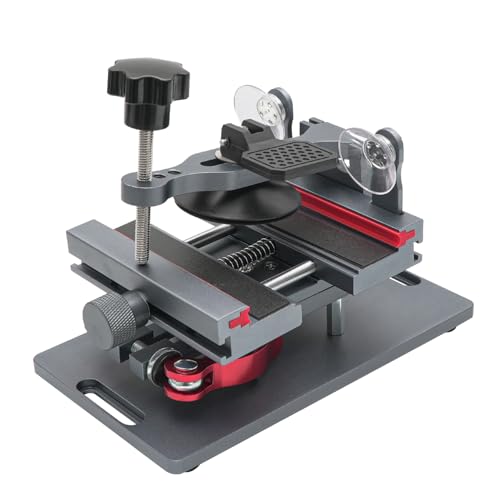
- No-heating design for safer screen removal
- Strong suction cups for steady, even pulling
- Silicone and camera-groove protection reduce scuffs
Best For: DIY users who want a simple, heat-free screen separator for common phones.
Best Cleaning Kit
32-in-1 Electronics Cleaning Kit

- 32-tool assortment for phones, keyboards, and screens
- Compact and portable for home or travel use
- Good for dust, debris, and hard-to-reach spots
Best For: People who want a versatile electronics cleaning kit rather than a repair tool.
Best for No-Heat Repairs
Phone Screen Separator Clamp for iPhone and Samsung
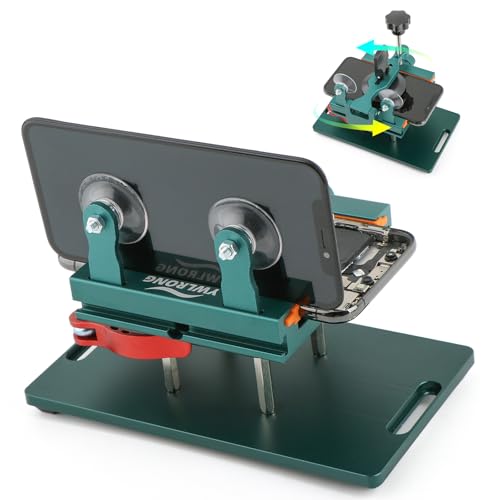
- No-heat opening helps protect delicate displays.
- 360° rotation and adjustable clamp improve control.
- Suited to iPhone, Samsung, and other common repair jobs.
Best For: DIYers and repair techs who want a stable, no-heat phone screen removal tool for common smartphones.
Best Starter Kit
iFixit Essential Electronics Toolkit
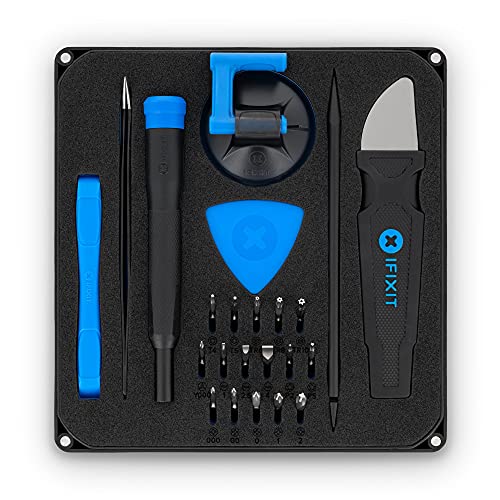
- 16 precision bits and magnetic screwdriver
- Includes opening tools for basic screen removal
- Compact case with foam insert and tray lid
Best For: Beginners who want a reliable toolkit for phone screens, batteries, and small electronics.
Best for Screen Opening Kits
Kaisiking 11-Piece Screen Suction Cup Kit
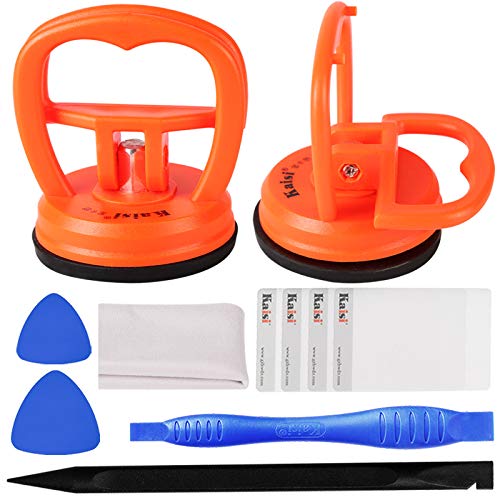
- Includes suction cups plus pry tools and cards
- Good for phones, tablets, laptops, and LCD screens
- Reusable, lightweight tools for DIY repairs
Best For: DIY repairers who want a basic, multi-tool screen-opening kit for light electronics work.
Best Multi-Tool Kit
Kaisi 20-Piece Electronics Pry Kit

- Metal and nylon tools for versatile use
- Anti-static tweezers for small components
- 20 pieces for broader electronics repair
Best For: DIY repairers who need a versatile opening kit for phones, tablets, and laptops.
Best No-Heat Pick
Phone Screen Separator with Suction Cup Clamp

- No-heat separation helps protect the device during repair
- 360° rotation and adjustable clamp improve positioning
- Padded silicone/sponge contact points add frame protection
Best For: DIY phone repair users who want a safer clamp-style separator for screen and back cover work.
Best for Screen Lifting

- 2-in-1 pliers plus suction cup for screen lifting
- Thin metal heads aim to reduce prying damage
- Good for phones, tablets, iPods, and small laptops
Best For: DIY repairers who need a simple tool for opening glued phone and tablet screens.
Best 3-in-1 Kit
Showpin Smart Phone Suction Cup Pliers

- 3-in-1 set with suction opener, prying tool, and cloth
- Safety limit helps protect internal cables during opening
- Works on phones, tablets, and other small electronics
Best For: DIY repair users who want a simple, budget-friendly opening kit.
Best for Controlled Screen Separation – iFixit Anti-Clamp Opening Tool
If you need a phone screen removal tool that helps you separate adhesive without prying too hard, the iFixit Anti-Clamp is a smart choice. Its opposed suction cups apply steady, adjustable spreading force so you can let the adhesive loosen gradually instead of forcing the display open.
Best For: Repairers who want a safer, hands-free way to open glued phones and tablets with smooth glass, metal, or plastic surfaces.
Pros:
- Controlled, adjustable opening force helps reduce the risk of cracking a display
- Hands-free design lets you wait while the adhesive does the work
- Quick to apply and release with the slide nut
- Covered by iFixit’s Lifetime Warranty
Cons:
- Works best on devices with smooth top and bottom surfaces
- Not a full repair kit, so you may still need additional opening tools
For careful repairs, this is a practical phone screen removal tool that favors control over brute force. It’s especially useful if you open glued devices often and want a reusable tool that feels more precise than cheap suction options.
Best Heat-Free Pick – HengTianMei Screen Separator
If you want a practical phone screen removal tool for quick LCD and back-cover separation, this HengTianMei screen separator is built around a heat-free, beginner-friendly approach. The strong suction cups and silicone protection help keep the process controlled, especially when you want to avoid unnecessary damage during repairs.
Best For: DIY repair users who want a no-heating screen removal tool for Samsung, iPhone, and similar phones.
Pros:
- Heat-free design helps reduce the risk of heat damage during screen removal
- Strong suction cups offer stable, even pulling for better control
- Soft silicone and camera groove protection help limit scratches and bezel damage
- Works across many popular Samsung, iPhone, and Huawei models
Cons:
- Not a full repair kit, so you may still need separate tools for reassembly
- Manual separation tools can still require patience and careful handling
Overall, this phone screen removal tool makes the most sense if you value a simple, no-heat setup over more advanced repair equipment. It is a solid fit for users who want stable suction, broad compatibility, and a lower-risk way to separate screens and glass backs.
Best Cleaning Kit – 32-in-1 Electronics Cleaning Kit
If you need a practical phone screen removal tool alternative for everyday device upkeep, this 32-in-1 electronics cleaning kit gives you a compact set of brushes, swabs, tweezers, and cleaning accessories. It is geared more toward cleaning and detailing than repair, but it can help keep phones, earbuds, screens, and other electronics free of dust and grime.
Best For: Users who want one portable kit for cleaning phones, headphones, monitors, camera lenses, and other small electronics.
Pros:
- 32 included tools cover a wide range of cleaning tasks
- Compact, portable design is easy to store or travel with
- Useful for hard-to-reach dust in keyboards, ports, and crevices
Cons:
- Not a true phone screen removal tool for repair work
- Cleaning-focused kit may be more than casual users need
Overall, this is a handy pick if your goal is maintaining devices rather than opening them up. If you came looking for a phone screen removal tool, note that this kit is better suited to cleaning and surface care than disassembly.
Best for No-Heat Repairs – Phone Screen Separator Clamp for iPhone and Samsung
This phone screen removal tool is built for technicians and DIY users who want a stable way to open modern smartphones without relying on heat. The 360° rotating clamp, suction cup hold, and adjustable width make it practical for screen removal, back cover work, and battery access on many iPhone, Samsung, and Huawei models.
Best For: Users who want a no-heat phone screen removal tool with a secure clamp for safer everyday repair jobs.
Pros:
- No-heat design helps reduce risk during screen removal.
- 360° rotation and knob adjustment improve positioning and control.
- Grooved, padded clamp and suction cups add grip and help protect the phone.
- Works for multiple repair tasks, including back covers, batteries, and camera lenses.
Cons:
- Compatibility depends on the phone model, so setup should be checked carefully.
- Bulkier than a basic pry tool, so it is less pocket-friendly for field work.
- Learning curve may still exist for first-time users despite the no-heat approach.
Overall, this phone screen removal tool stands out for safer opening and better clamping stability rather than speed. If you want a more controlled repair setup for common flagship phones, it offers a solid middle ground between simplicity and precision.
Best Starter Kit – iFixit Essential Electronics Toolkit
If you need a dependable phone screen removal tool for basic DIY repairs, the iFixit Essential Electronics Toolkit covers the essentials without overcomplicating the job. It includes the opening tools, precision bits, and a magnetic screwdriver setup you need for common smartphone, tablet, laptop, and console fixes.
Best For: Beginners and casual DIYers who want a compact, reliable toolkit for screen, battery, and small electronics repairs.
Pros:
- Includes 16 precision bits plus a magnetic screwdriver for versatile repair work
- Useful opening tools make it a practical phone screen removal tool for common jobs
- Foam insert, magnetic closure, and lid tray help keep small parts organized
- iFixit S2 steel bits are built for a precise fit and long-term use
Cons:
- More of a starter kit than a full pro-level repair bench set
- May not include every specialty tool needed for advanced device teardown
Overall, this toolkit is a smart pick if you want a straightforward phone screen removal tool that also handles batteries and other light electronics repairs. It delivers the core pieces most users need, with better organization and build quality than many generic kits.
Best for Screen Opening Kits – Kaisiking 11-Piece Screen Suction Cup Kit
If you need a practical phone screen removal tool for repairs on phones, tablets, and laptops, this Kaisiking kit gives you the basics in one compact set. The twin suction cups, plastic pry tools, and cleaning cloth make it a sensible choice for DIY screen openings where you want control without paying for a larger professional kit.
Best For: DIY users, repair hobbyists, and light-duty technicians who want a simple screen-opening kit for phones and other smooth LCD devices.
Pros:
- Strong suction cups with locking handles help lift screens more securely.
- Includes useful extras like spudgers, plastic cards, triangles, and a microfiber cloth.
- Works across a wide range of devices, including iPhone, iPad, Samsung, and laptops.
- Reusable tools with durable ABS and rubber construction.
Cons:
- Not meant for heavy-duty lifting or large glass panels.
- May require glue removal on some non-iPhone models before use.
For straightforward screen jobs, this phone screen removal tool is a good value because it covers the core opening steps without overcomplicating the repair. It’s best suited to light electronics work rather than demanding professional shop tasks.
Best Multi-Tool Kit – Kaisi 20-Piece Electronics Pry Kit
If you need a dependable phone screen removal tool for opening phones, tablets, and other electronics, this Kaisi 20-piece kit gives you a practical mix of metal and nylon prying tools, tweezers, and spudgers. It’s a solid choice for careful disassembly when you want multiple tool options in one set.
Best For: DIY repairers who want a versatile opening kit for phones, laptops, and tablets.
Pros:
- Includes metal and non-abrasive nylon tools for different repair tasks
- Anti-static tweezers are useful for handling small internal parts
- 20-piece assortment covers more than basic screen opening jobs
Cons:
- Not a dedicated single-tool solution for quick screen-only jobs
- Some pieces may be more than casual users need
Overall, this is a flexible phone screen removal tool kit for buyers who want a broader repair set instead of a single pry tool. The variety helps when screen work is only one part of a larger electronics repair project.
Best No-Heat Pick – Phone Screen Separator with Suction Cup Clamp
This phone screen removal tool is a practical choice for DIY repair jobs when you want steady clamping, flexible positioning, and less risk from heat. It’s designed to help separate screens, support back cover removal, and hold parts securely while you work on compatible iPhone and Samsung models.
Best For: Home repair users who want a no-heat screen separator with a rotatable clamp and protective padding for safer phone disassembly.
Pros:
- No-heat design helps reduce the risk of unnecessary thermal damage during screen removal.
- 360° rotation and adjustable clamp width make it easier to position the phone securely.
- Silicone and sponge padding plus suction cups add grip and help protect the frame and camera area.
- Works for more than just screen jobs, including back cover, battery, and camera lens removal.
Cons:
- Compatibility is broad, but you still need to verify your exact phone model before buying.
- At 2.31 pounds, it’s less compact than simpler handheld repair tools.
Overall, this phone screen removal tool stands out for safer, more controlled separation rather than speed or portability. If you want a sturdy clamp-style helper for common repair tasks, it offers a useful balance of protection and adjustability.
Best for Screen Lifting – Screen Opening Tool 2 PCS
If you need a phone screen removal tool for careful DIY repair, this 2-piece opening kit gives you a simple way to lift glued displays on phones, tablets, and small laptops. The combination of suction cup leverage and thin metal pry heads is meant to help you separate screens with less risk of cracking glass or marring the frame.
Best For: Home users and repair hobbyists who want a straightforward tool for opening glued smartphone and tablet screens.
Pros:
- 2-in-1 design combines opening pliers with a strong suction cup
- Thin, flexible metal heads help reduce damage during screen removal
- Works across phones, tablets, iPods, iPads, and some laptops
- Useful for opening waterproof devices with adhesive-sealed displays
Cons:
- Requires heating to soften adhesive before use
- Metal pry tips may still be too aggressive for delicate repairs
- Not a full repair kit with extra electronics tools
As a phone screen removal tool, this one stands out for its simple leverage-and-suction approach rather than a big accessory set. It makes the most sense if you already know you’ll be opening glued screens and want a compact tool that helps you work more safely.
Best 3-in-1 Kit – Showpin Smart Phone Suction Cup Pliers
If you want a practical phone screen removal tool for routine device repairs, this Showpin kit gives you the basics in one package: a suction-cup opener, a double-ended prying tool, and a cleaning cloth. It’s aimed at safely lifting LCD panels and handling battery swaps on phones, tablets, and other compact devices without forcing the screen.
Best For: DIY repair users who want an affordable, all-in-one opening tool for phones, tablets, and similar electronics.
Pros:
- 3-in-1 set includes suction opener, prying tool, and cleaning cloth
- Built-in safety limit helps reduce risk of cable damage
- 45mm PVC suction cup provides steady pulling force
- Useful for screen and battery removal on multiple device types
Cons:
- Better suited to occasional repairs than heavy professional use
- May still require care and experience on tightly sealed screens
Overall, this phone screen removal tool is a sensible pick if you want a simple, low-fuss kit for basic disassembly work. It won’t replace a full repair bench setup, but it covers the core tasks most DIY users need.
How We Picked the Best Phone Screen Removal Tool
We focused on tools that make screen removal more controlled, less risky, and easier for non-professionals to use. Priority went to solid suction strength, stable clamping or prying action, useful accessories, and overall value for common phone repairs.
We also looked for options that suit different experience levels, since the best Phone Screen Removal Tool for a beginner is not always the same as the best choice for frequent repair work.
Quick Comparison
Think of the lineup in three broad groups: dedicated screen openers for separating tightly sealed displays, multi-piece repair kits for all-around device work, and smaller pry/suction sets for light-duty repairs. If you only need one task done, a dedicated opener is often the simplest choice. If you repair multiple devices, a broader toolkit may be better.
Key Buying Factors for a Phone Screen Removal Tool
Opening Method
Suction cups, clamp-style separators, pry tools, and hybrid kits each have tradeoffs. Clamp systems can help distribute force more evenly, while suction tools are often easier for simple pull-and-lift openings. Pry tools matter when adhesive needs gentle persuasion after the initial break in the seal.
Grip and Control
Look for non-slip handles, strong suction, and a design that keeps pressure steady. A Phone Screen Removal Tool should help reduce sudden slips, which are a common cause of cracked glass and damaged frames.
Compatibility
Some tools are better for iPhone-style builds, while others are more versatile across Android phones, tablets, and even small electronics. Make sure the opening span and clamping range match the devices you plan to work on.
Included Accessories
Spudgers, tweezers, picks, and anti-static tools can make the process smoother. A fuller kit can save time if you also need to disconnect battery tabs, lift adhesive, or remove small internal parts.
Who Should Buy Which Phone Screen Removal Tool?
If you want the safest, most controlled approach for frequent screen jobs, choose a dedicated clamp or separator. If you are building a repair setup from scratch, a broader electronics toolkit is usually the smartest value. If you only need occasional help opening a phone, a compact suction-and-pry set may be enough. The best Phone Screen Removal Tool is the one that matches your repair volume, device types, and comfort level.