A Lightning thermal imaging camera can turn an iPhone into a practical diagnostic tool for HVAC checks, home inspections, electrical troubleshooting, and more.
In this roundup, we focus on models that balance image quality, app usability, temperature range, and compatibility so you can choose the right tool with confidence.
Best 10 Lightning Thermal Imaging Camera Picks for 2026
Premium iPhone-Only Pick
FLIR One Pro for Lightning iPhones

- Lightning-compatible for iPhone 14 and older
- Upscales 160x120 to 480x360 with VividIR
- Includes MSX and inspection guides
Best For: iPhone users wanting a guided, commercial-grade inspection camera
Most Versatile Pro Tool
Thermal Master P3 with Adapter

- Includes a Lightning adapter and supports iOS, Android, and Windows
- Upscales 256x192 to 512x384 with X³ IR
- Manual focus suits electrical, HVAC, and PCB inspection
Best For: Technicians who need a compact, feature-rich thermal imager
Top Pick for Detail
Foxwell RT100 iOS Thermal Camera

- 512×384 TISR with 25Hz refresh
- -4°F to 1022°F temperature range
- Low 0.15W draw and FOXIR app tools
Best For: iPhone and iPad owners who want a detailed, app-driven inspection camera
Rugged USB-C Choice

- For iPhone 15 and newer with USB-C
- 240x180 Super Resolution with MSX
- 1.5m drop rating and guided inspections
Best For: Recent iPhone users who want a durable, software-assisted inspection tool
Best Lightning Option
Seek Nano 200 Lightning Thermal Camera

- Fits iPhones with Lightning connectors
- 200 x 150 image at over 25Hz
- Captures photos and videos to phone
Best For: Older iPhone owners who want a portable thermal imager for everyday checks
Portable USB-C Thermal Imager
REVASRI 320x240 Super IR Camera
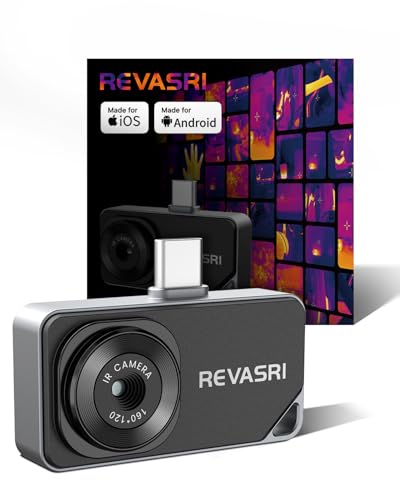
- 320x240 super resolution, 25Hz refresh
- USB-C compatibility for iOS, Android, Windows
- Powered by the connected device; no battery
Best For: Home inspections, HVAC checks, and electrical troubleshooting
Lightning iPhone Thermal Scanner

- Made for iOS devices with Lightning ports
- 512x384 super resolution, 25Hz refresh
- Wide -4°F to 1022°F temperature range
Best For: iPhone and iPad owners needing a dedicated Lightning thermal camera
Universal USB-C Thermal Imager

- USB-C compatibility for iOS, Android, Windows
- 512x384 super resolution with 40mK sensitivity
- Photo and video recording supported
Best For: Multi-device users who want a compact USB-C thermal camera
Premium iPhone-Only Pick – FLIR One Pro for Lightning iPhones
If you want a Lightning thermal imaging camera for an iPhone 14 or older, the FLIR One Pro is built around fast plug-in use and dependable inspection tools. Its super-resolution output, MSX detail blending, and step-by-step app guides make it a practical choice for finding air leaks, moisture, and other common problem areas.
Best For: iPhone users who want a commercial-grade thermal camera for home inspections and field troubleshooting.
Pros:
- Works with iPhones that have a Lightning port, including iPhone 14 and older
- VividIR upsamples 160×120 native IR to 480×360 for clearer detail
- MSX combines thermal and visual imagery to improve real-time inspection detail
- Includes inspection guides for common faults like air leaks and moisture buildup
Cons:
- Limited to iPhones with Lightning ports
- Native thermal resolution is lower than the upscaled output
- Accuracy is specified within a defined temperature range
The FLIR One Pro stands out when you want a proven phone-mounted thermal imager with guided workflows and rugged jobsite durability. It is a strong fit if your priority is practical diagnostics rather than maximum device compatibility.
Most Versatile Pro Tool – Thermal Master P3 with Adapter
The Thermal Master P3 is a strong Lightning thermal imaging camera option if you need cross-platform compatibility and more advanced inspection features. It includes a Lightning adapter, manual focus, and a high-resolution upscaled image mode, making it useful for electrical, HVAC, PCB, and industrial checks.
Best For: Technicians and advanced users who want a compact thermal camera with broad device support and detailed inspection controls.
Pros:
- Compatible with iOS, Android, and Windows, with a Lightning adapter included
- Upscales native 256×192 resolution to 512×384 with X³ IR technology
- Manual focus helps improve detection in PCB and electrical inspection work
- Includes 12 palettes, temperature alerts, hot/cold spot tracking, and 15x digital zoom
Cons:
- Uses a phone USB-C connection with adapter support, not a native Lightning-only design
- More feature-rich than a basic home-inspection camera
- No built-in battery
For buyers who want more control and deeper inspection tools, the P3 offers a lot in a very small package. Its portability, broad compatibility, and strong feature set make it one of the most flexible options in this group.
Best iOS Plug-In Option – VANTRUE POWER TS1 for iPhone
If you want a Lightning thermal imaging camera that is easy to carry and simple to use, the VANTRUE POWER TS1 is designed for direct plug-in use on compatible iPhones. It delivers upscaled 512×384 imaging, 25Hz performance, and temperature tools that are useful for home inspections, moisture checks, and overheated equipment.
Best For: iPhone users looking for a portable thermal camera for home, pipe, and wall inspections.
Pros:
- Compatible with iOS devices and plugs directly into the Lightning port on supported iPhones
- Upscales native 256×192 resolution to 512×384 for clearer thermal detail
- 25Hz refresh rate supports smooth real-time imaging
- Offers point, line, and surface temperature measurement modes
Cons:
- Limited to iOS use for the Lightning connection path described
- Accuracy is specified within a narrow measurement range
- Best suited to inspection tasks rather than heavy-duty industrial use
The TS1 is a practical pick if you want a compact phone-mounted camera with straightforward plug-and-play operation. Its portable size and strong thermal output make it a good everyday inspection tool for iPhone owners.
Budget FLIR Choice – FLIR One for Lightning iPhones
The FLIR One is a straightforward Lightning thermal imaging camera for iPhone 14 and older users who want the FLIR app experience without moving up to the Pro model. It offers upscaled thermal imaging, MSX enhancement, and inspection guides that help you spot air leaks, moisture buildup, and similar issues during routine checks.
Best For: Budget-minded iPhone users who want a simple thermal camera for basic home and vehicle inspections.
Pros:
- Connects directly to iPhones with Lightning ports, including iPhone 14 and older
- VividIR upsamples 80×60 native IR to 240×180 for improved detail
- MSX merges thermal and visual images in real time
- Includes step-by-step inspection guides inside the FLIR One app
Cons:
- Lower native thermal resolution than the FLIR One Pro
- Limited to older Lightning-port iPhones
- Accuracy is tied to a stated temperature range
This model makes sense if you want the core FLIR workflow and don’t need the Pro’s higher-resolution output. It is best viewed as a practical entry point for everyday inspections rather than a top-tier imaging tool.
Top Pick for Detail – Foxwell RT100 iOS Thermal Camera
If you want a Lightning thermal imaging camera that feels practical for home checks, auto work, and HVAC troubleshooting, the FOXWELL RT100 is built around quick plug-and-play use on iPhone and iPad. Its 512×384 TISR output, 25Hz refresh rate, and wide temperature range make it a flexible option when you need to spot heat loss, leaks, or hot components without carrying a separate handheld unit.
Best For: iPhone and iPad users who want a compact thermal camera for inspections around the house, garage, or job site.
Pros:
- 512×384 TISR imaging and 25Hz refresh for smoother real-time inspection work
- Measures from -4°F to 1022°F with adjustable emissivity and temperature range
- Very low 0.15W power draw for long sessions without heavily draining the phone
- Includes FOXIR app tools like point, line, area, palettes, picture-in-picture, and alerts
Cons:
- Designed for iOS only and not compatible with Mac
- Requires a Lightning-to-Type-C adapter for iPhone 15 and newer models
- Resolution is enhanced by TISR rather than being a native 512×384 sensor
The RT100 stands out if you want a feature-rich, pocketable thermal camera with strong temperature coverage and app controls. It looks especially well suited to buyers who value convenience, long runtime, and detailed inspection tools over a larger standalone thermal imager.
Rugged USB-C Choice – FLIR One USB-C Thermal Camera
The FLIR One is a Lightning thermal imaging camera alternative only for newer iPhones with USB-C, and it focuses on dependable inspection basics rather than maximum resolution. Its 80×60 native IR sensor uses FLIR’s Super Resolution and MSX image blending to make thermal details easier to read, while the app adds step-by-step inspection guides for common home issues.
Best For: iPhone 15 and newer users who want a rugged, app-guided thermal camera for home inspection and jobsite work.
Pros:
- USB-C direct connection for iPhone 15 and newer models
- 240×180 Super Resolution and MSX enhance thermal and visual detail
- Inspection guides in the app help with air leaks, moisture, and other faults
- Rated to survive 1.5m drops for tougher jobsite use
Cons:
- Not compatible with Lightning iPhones, so older devices are out
- Native IR resolution is only 80×60 before upscaling
- Accuracy is specified within a narrower temperature and scene range
This model is a solid choice if you value FLIR’s software support and rugged build more than raw sensor specs. It makes sense for buyers who want an easy-to-use inspection tool for everyday diagnostics on a recent iPhone.
Best Lightning Option – Seek Nano 200 Lightning Thermal Camera
For buyers looking specifically for a Lightning thermal imaging camera, the Seek Thermal Nano 200 is built for iPhone 14 and earlier devices. It combines a 200 x 150 thermal image, 25Hz frame rate, and a broad temperature span, making it a practical pick for home maintenance, electrical checks, and even outdoor use when you want to see heat signatures in real time.
Best For: Lightning-equipped iPhone users who want a compact, versatile thermal imager for home and outdoor use.
Pros:
- Works with iPhones that have Lightning connectors, including iPhone 14 and earlier
- 200 x 150 resolution with over-25Hz imaging for smoother viewing
- Measures from -4°F to 626°F with ±5% accuracy and <35 mK sensitivity
- Supports image and video capture directly to the smartphone
Cons:
- Not compatible with newer iPhones that use USB-C
- Temperature range is narrower than some higher-end alternatives
- Requires the Seek Nano app to unlock the imaging experience
The Nano 200 is a strong fit if you want a straightforward, portable thermal camera that covers everyday inspection tasks without extra bulk. Its balanced mix of resolution, frame rate, and compatibility makes it especially appealing for older iPhone owners who still use Lightning.
Portable USB-C Thermal Imager – REVASRI 320×240 Super IR Camera
If you want a Lightning thermal imaging camera alternative that can also work with USB-C devices, the REVASRI thermal camera is a practical plug-in option for checking hot spots, leaks, and electrical issues. It uses the device’s power, so there’s no battery to charge, and it’s built around a 320×240 super-resolution output with a 25Hz refresh rate for smoother viewing.
Best For: Homeowners, HVAC users, and technicians who need a compact USB-C thermal camera for everyday inspections.
Pros:
- 320×240 super resolution with 25Hz refresh rate
- Works with iOS, Android, and Windows via USB-C
- No internal battery needed; powered by the connected device
- Useful extras like 15x zoom, temperature tracking, and picture-in-picture
Cons:
- Not a Lightning-port model
- Requires the dedicated Camera+ app from the manual QR code
- Best suited to inspection tasks rather than advanced industrial use
This is a strong pick if your priority is portability and straightforward diagnostics. The IP54 rating and 1-meter drop protection also make it a more durable choice for indoor and outdoor field work.
Lightning iPhone Thermal Scanner – TOPDON TC002 for iOS
If you need a Lightning thermal imaging camera for an iPhone or iPad, the TOPDON TC002 is built specifically for iOS devices with a Lightning port. It combines 256×192 IR resolution with 512×384 super resolution, a 25Hz refresh rate, and a wide temperature range for practical temperature checks in the field.
Best For: iPhone and iPad users who want a dedicated Lightning thermal camera for inspection work.
Pros:
- Designed for iOS devices with a Lightning connector
- 512×384 super resolution for clearer thermal images
- Wide -4b0F to 1022b0F temperature range
- Compact, lightweight build with picture-in-picture support
Cons:
- Not compatible with Mac
- For iPhone 15, iPhone 16, and later, a different version is recommended
- Needs the TopInfrared app from the App Store
For Lightning-based Apple devices, this model stands out for clarity, temperature range, and long usable runtime from the host device. It is a strong fit for inspections where you want a simple plug-and-play setup without moving to USB-C.
Universal USB-C Thermal Imager – TOPDON TC002C Duo
The TOPDON TC002C Duo is a modern Lightning thermal imaging camera alternative for users who have moved to USB-C devices across iOS, Android, and Windows. It offers 512×384 super resolution, 25Hz refresh, and 40mK heat sensitivity for smooth live temperature tracking in a compact plug-in form.
Best For: Users with USB-C phones and tablets who want broad device compatibility for inspection work.
Pros:
- Works with USB-C smartphones and tablets on iOS, Android, and Windows
- 512×384 super resolution with 40mK sensitivity
- Supports photo and video recording
- Compact 30g design with TopInfrared app control
Cons:
- Not compatible with Mac devices
- Not currently compatible with Android 16
- Uses USB-C rather than Lightning
If your devices are already on USB-C, this model gives you a versatile thermal imaging setup with strong image detail and a broad measurement range. It is especially appealing for users who want one compact camera that can move between different supported devices.
How We Picked the Best Lightning Thermal Imaging Camera
We prioritized real buyer needs: compatibility with Lightning-port iPhones, thermal resolution, refresh rate, temperature range, focus options, app stability, and overall value. Because a Lightning Thermal Imaging Camera is often used for fast on-the-go diagnostics, we also weighed portability and ease of setup.
We favored options that offer clearer thermal detail, reliable iOS support, and enough measurement tools for everyday troubleshooting without making the app or hardware harder to use than necessary.
Quick Comparison
In general, higher-resolution models are better for spotting small leaks, hot spots, and insulation gaps, while entry-level devices are often enough for basic home checks. If you need the best balance of detail and flexibility, look for stronger native IR resolution, a wider temperature span, and a refresh rate of 25Hz for smoother viewing.
Lower-resolution options can still make sense if you only need occasional use, want a smaller budget, or prefer a simpler plug-in accessory for an iPhone with a Lightning port.
Key Buying Factors for a Lightning Thermal Imaging Camera
Compatibility
Confirm that the camera supports your exact iPhone or iPad model. Some products work only with Lightning devices, while others are made for USB-C and will not fit older iPhones.
Resolution and Image Detail
Thermal resolution affects how much detail you can see. Higher-resolution units make it easier to identify narrow problem areas, compare surface temperatures, and interpret readings accurately.
Temperature Range and Sensitivity
Choose a camera with a temperature range that matches your tasks. Electrical inspection, HVAC work, and building diagnostics may require different upper and lower limits. Sensitivity also matters when you need to distinguish small temperature differences.
Refresh Rate and Focus
A 25Hz refresh rate generally gives smoother live viewing. Manual focus can help at close range, especially for components, panels, and mechanical parts, while fixed focus is often simpler for casual users.
App Features
Look for useful software tools such as spot meters, color palettes, image capture, and reporting. A good app can matter as much as the sensor itself, especially if you plan to use the Lightning Thermal Imaging Camera for work.
Who Should Buy Which Lightning Thermal Imaging Camera?
If you want the most detail for professional or frequent use, choose a higher-resolution model with strong thermal sensitivity and better measurement controls. If you only need occasional troubleshooting around the house, a simpler and more affordable camera may be enough.
For iPhone owners who rely on a Lightning port, compatibility should be your first filter. For buyers who may upgrade devices soon, it may be worth considering whether a Lightning model or a newer USB-C option fits your long-term setup better.