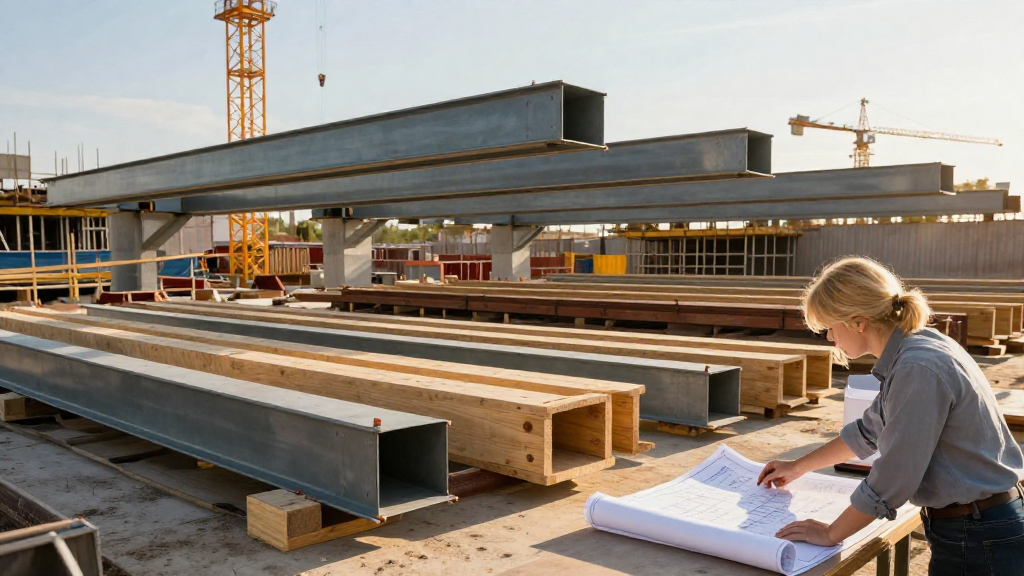
When it comes to building structures, understanding beam construction methods is crucial for achieving strength and durability. This article will explore various techniques, materials, and considerations in beam construction methods that are essential for any construction project.
What Are the Primary Beam Construction Methods?
The construction of beams can be approached in several ways, depending on the design requirements, materials available, and the specific purpose of the structure. Common beam construction methods include:
-
Solid Beam Construction: A traditional approach that utilizes solid materials like wood, steel, or reinforced concrete.
-
Composite Beam Construction: A more modern method that combines different materials, typically steel and concrete, to achieve greater strength and efficiency.
-
Cantilever Beam Construction: This method involves beams that are anchored at one end only, allowing the other end to extend freely. This is particularly useful in designing balconies or overhangs.
-
Post and Beam Construction: A classic technique where vertical posts support horizontal beams, creating an open space and allowing for large spans without columns.
-
Pre-fabricated Beam Construction: In this method, beams are manufactured off-site and transported to the construction site for quick assembly.
Why Choose Different Beam Construction Methods?
Utilizing different beam construction methods can impact various factors of a building project:
-
Cost-Effectiveness: Each beam construction method comes with distinct costs, both for materials and labor. Choosing the right one can significantly affect the overall budget.
-
Structural Integrity: Depending on the load requirements and environmental conditions, some methods may provide better support than others.
-
Aesthetic Appeal: Design preferences may dictate the type of beams used. For example, exposed wooden beams might be desirable for a rustic look.
-
Speed of Construction: Certain beam construction methods, like pre-fabricated options, allow for faster assembly times.
-
Adaptability: Flexibility in design and materials can lead to innovative building solutions.
What Materials Are Commonly Used in Beam Construction?
Each beam construction method can make use of various materials. Here’s a look at the most commonly used materials:
- Wood:
- Ideal for residential structures.
- Offers a natural aesthetic appeal.
-
Limited in terms of spans and load-bearing capacities.
-
Steel:
- Known for its high strength-to-weight ratio.
- Suitable for large commercial projects.
-
Fire treatment may be necessary.
-
Reinforced Concrete:
- Combines strength and durability.
- Preferred for large spans and heavy loads.
-
Requires formwork and longer curing times.
-
Composite Materials:
- Mixing materials like steel and concrete to leverage their strengths.
- Common in high-rise buildings and bridges.
How Do Design Factors Affect Beam Construction Methods?
When selecting beam construction methods, various design factors must be evaluated:
- Load Requirements:
-
Understand the loads that the beam must support (live load, dead load, and environmental load).
-
Span Length:
-
Beams that are intended for longer spans may require different materials or designs.
-
Local Building Codes:
-
Ensure that the chosen method complies with local regulations and codes.
-
Environmental Considerations:
- Factors such as humidity, temperature fluctuations, and seismic activity should influence material choice.
What Are the Pros and Cons of Each Beam Construction Method?
Understanding the advantages and disadvantages of various beam construction methods can help inform your choice:
1. Solid Beam Construction
Pros:
– Simplicity in design and construction.
– Available in various materials including timber, steel, and concrete.
Cons:
– Heavier beams can lead to increased structural demands.
– Limited span capabilities compared to composite options.
2. Composite Beam Construction
Pros:
– Excellent weight-bearing capacity.
– Allows for thinner designs with greater spans.
Cons:
– More complex to design and construct.
– Higher initial costs due to materials and engineering requirements.
3. Cantilever Beam Construction
Pros:
– Effective for creating overhangs and balconies.
– Reduces the need for support columns.
Cons:
– Increased structural demands at the fixed end of the beam.
– Requires careful load calculation to prevent failure.
4. Post and Beam Construction
Pros:
– Allows for open interior spaces.
– Aesthetic appeal with exposed structural elements.
Cons:
– May not be suitable for high-rise buildings due to lateral loads.
– Requires skilled craftsmanship to ensure proper joinery.
5. Pre-fabricated Beam Construction
Pros:
– Reduces on-site labor and construction time.
– Consistent quality control since beams are made in a factory setting.
Cons:
– Transportation costs may be significant for large beams.
– Limited flexibility for on-site modifications.
How to Choose the Right Beam Construction Method for Your Project?
When deciding on the most appropriate beam construction methods, consider the following steps:
-
Assess Project Needs and Goals:
– Determine the purpose of the structure, budget constraints, and desired aesthetics. -
Consult Structural Engineers:
– Engage experts to evaluate loads and structural requirements. -
Evaluate Local Regulations:
– Check local codes, ordinances, and permits required for beam construction. -
Compare Materials:
– Research the properties and costs of various materials applicable to your chosen method. -
Plan for Future Needs:
– Consider adaptable designs that may allow for future renovations or changes in structure use.
What Are the Trends in Beam Construction Methods?
As technology advances, so do beam construction methods. The following trends are shaping the industry:
-
Sustainable Materials: The use of eco-friendly and recycled materials is becoming more common, such as engineered wood and sustainable composites.
-
Smart Beams: Incorporating smart sensors into beams for real-time monitoring of structural integrity.
-
Modular Construction: Emphasizing pre-fabricated components that can be assembled quickly on-site.
-
3D Printing: Emerging techniques are allowing for the 3D printing of concrete elements, potentially revolutionizing beam production.
Conclusion
In summary, understanding beam construction methods is crucial for effective and efficient building practices.
By evaluating the options available, including materials and design factors, you can make informed choices that lead to strong, durable, and aesthetically pleasing structures.
Whether you are building a simple residential home or a complex commercial facility, the right beam construction method plays a vital role in the overall success of the project. Embrace the advancements in technology and sustainability to stay at the forefront of construction innovation.