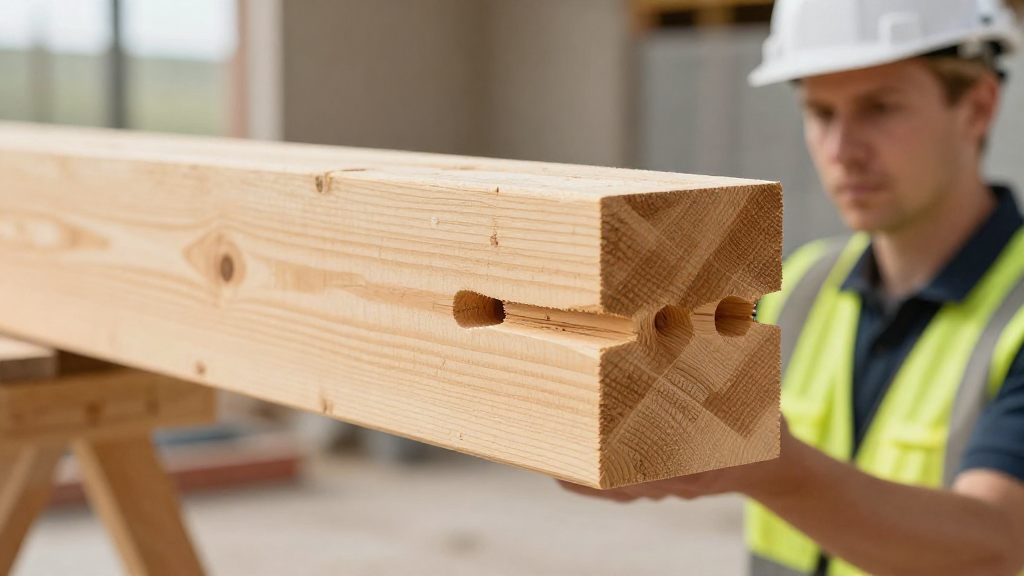
Understanding beam notch effects is crucial for engineers and architects alike.
Beam notches can significantly influence the strength and structural integrity of beams.
By comprehending these effects, one can make more informed design choices for safer buildings and structures.
What Are Beam Notches?
Before delving into the beam notch effects, it’s essential to clarify what beam notches are.
Notches are intentional cuts or indentations made in a beam’s material.
They are typically created for various reasons, such as:
- Placement of utilities (like electrical conduits or plumbing)
- Adjustment for other structural elements (like joists connecting)
- Aesthetic considerations in architectural design
However, while notches can serve practical purposes, they inherently affect the beam’s strength and load-bearing capabilities.
How Do Beam Notches Impact Load Capacity?
One of the primary beam notch effects is the alteration of load capacity.
Notching a beam can weaken the material, leading to a reduced ability to support weight.
The extent of reduction largely depends on:
- Location of the notch: Notches at certain points, like mid-span, can cause more significant weaknesses than those at the ends.
- Depth and length of the notch: Deeper or longer notches create larger stress concentrations.
- Type of beam material: Different materials respond uniquely to notches (e.g., wood vs. steel).
What Are the Common Factors Determining Strength Reduction?
When evaluating the beam notch effects, consider the following factors:
-
Cross-Sectional Area Reduction:
– Notching reduces the beam’s effective cross-section, leading to smaller areas resisting bending or shear forces. -
Stress Concentration:
– Notches create points of high stress, making them susceptible to failure under load. -
Shear and Bending Moments:
– Analyzing the shear force distribution in notched beams is vital as it can lead to unexpected failures. -
Material Properties:
– The tensile, compressive, and shear properties of the beam material dictate how effectively it can handle imposed loads despite notching. -
Support Conditions:
– The beam’s support system can amplify or mitigate the adverse effects caused by notches, depending on whether it is simply supported, cantilevered, or continuous.
How Do Beam Notches Influence Load Types?
Different loads react differently to beam notches.
They can be categorized into:
-
Static Loads: Constant loads tend to have predictable effects, where notches can lead to immediate failure under maximum stress.
-
Dynamic Loads: Load variations, such as those from moving vehicles, may exacerbate the beam notch effects due to the increased stress concentrations during movement.
-
Impact Loads: Sudden forces can lead to catastrophic failure, especially if the beam has notches, which concentrate stress and reduce overall durability.
Are All Beam Notches Harmful?
While many beam notch effects are detrimental, not all notches must be seen as harmful.
In certain applications, strategically placed notches can:
-
Improve flexibility in specific designs.
-
Facilitate assembly and alterations, enabling tighter connections between structural components.
What Are Recommended Practices When Notching Beams?
To minimize the harmful beam notch effects, adhere to best practices:
-
Limit the Depth and Length: Keep notches shallow and localized to reduce stress concentration.
-
Position Wisely: Avoid mid-span notches wherever possible. Position them near supports to lessen their impact.
-
Use Reinforcements: Incorporate additional materials like plates or braces around notches to help maintain strength.
-
Follow Codes and Standards: Always consult structural codes and guidelines specific to your region. They provide parameters on notch sizing and placement.
How Can Engineers Mitigate Notch Effects?
Mitigating beam notch effects involves strategic measures:
-
Choose the Right Material:
– Consider materials with higher tensile strength where notching is necessary. -
Use Computational Models:
– Finite Element Analysis (FEA) software can simulate the effects of notches on load-bearing capacities, helping engineers make more informed decisions. -
Regular Inspections:
– Implement regular maintenance checks to identify potential weaknesses caused by notches, ensuring structural longevity. -
Reinforcement Techniques:
– Use fiber reinforcements, steel plates, or additional wooden beams to support notched areas. -
Testing and Evaluation:
– Conduct performance tests on notched beams during and after construction to gauge structural integrity.
What Are the Long-Term Effects of Beam Notches?
Over time, notched beams may pose a risk to longevity.
Factors such as:
-
Material Fatigue: Continuous stress cycles can worsen material properties, increasing the risk of failure.
-
Environmental Factors: Changes in humidity, temperature, and corrosive environments further weaken notched areas.
Monitoring and maintaining beam integrity becomes essential to counteract long-term beam notch effects.
Conclusion: How Important Are Beam Notch Effects?
The impact of beam notch effects cannot be overstated.
Understanding how notches alter beam strength is crucial in the fields of structural engineering and architecture.
By adopting best practices in design and enforcement, we enhance the safety and durability of our structures.
With this knowledge, not only can engineers design safer buildings, but they can also educate others on the implications of beam notches.
When considering structural designs, keep the basic tenet in mind: a small notch can lead to structural compromise.
Every structural decision counts—take beam notch effects seriously to ensure robust and resilient developments!