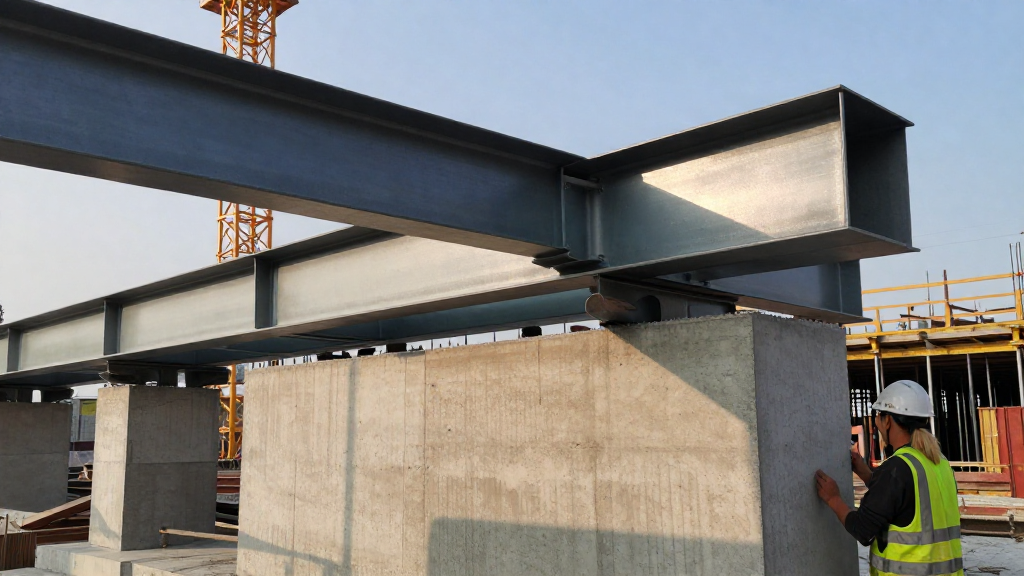
A beam and girder system is a vital component in modern architecture, providing essential support and stability for various structures.
Understanding how this system operates is crucial for engineers, architects, and anyone interested in construction.
What is a Beam and Girder System?
A beam and girder system consists of two main elements: beams and girders.
- Beams: Horizontal members that support floor loads and distribute them to the girders.
- Girders: Larger horizontal members that support beams and transfer loads to vertical supports, such as columns.
The combination of these elements creates a structure capable of spanning large distances while maintaining stability.
How Does the Beam and Girder System Distribute Loads?
Understanding load distribution is key to the beam and girder system’s effectiveness.
- Live Loads: These are temporary loads, such as people, furniture, and equipment.
- Dead Loads: These are permanent, like the weight of the building materials themselves.
When loads are applied, the beam takes on the load directly.
The beam then transfers this load to the girder, which carries the load to vertical supports.
Why are Girders Essential?
Girders play a crucial role in the stability of a beam and girder system.
- Support: Girders offer additional support to beams spanning longer distances.
- Load Distribution: They help evenly distribute loads to the vertical columns, preventing structural failure.
How are Beams and Girders Constructed?
When designing a beam and girder system, engineers consider various materials and construction methods.
-
Materials: Common materials include:
– Steel
– Wood
– Reinforced concrete -
Design: The design often involves:
– Calculating span lengths
– Load capacities
– Floor plans
What Are the Advantages of a Beam and Girder System?
Implementing a beam and girder system offers numerous advantages in construction:
- Flexibility: It provides design flexibility due to its ability to span larger areas.
- Cost-Effectiveness: Reducing the number of columns allows for more usable space and can lower construction costs.
- Load Bearing: It efficiently distributes loads across the entire structure.
Where is a Beam and Girder System Used?
This system is widely used in various constructions, including:
- Commercial Buildings: Such as offices and retail stores.
- Industrial Facilities: Including warehouses and factories.
- Residential Homes: Particularly those with open floor plans.
How Do Beam and Girder Systems Enhance Structural Integrity?
The integration of beams and girders significantly improves structural integrity.
- Load Path Efficiency: The system creates a clear path for loads to travel through, ensuring that every component efficiently shares the load.
- Minimized Deflection: A well-designed system minimizes deflection, which is the bending of beams under load.
- Enhanced Safety: With proper design and construction, the system can withstand various force factors, including wind and seismic activities.
How Do Engineers Calculate Load Requirements?
Calculating the load is critical in designing an effective beam and girder system.
- Identify Loads: Assess both live and dead loads to determine requirements.
- Factor of Safety: Engineers apply a safety factor to ensure the structure can handle unexpected loads.
- Span Length Measurement: Determine actual distances to optimize beam and girder placement.
What Challenges Does a Beam and Girder System Present?
While there are many benefits, implementing a beam and girder system also presents unique challenges.
- Complex Calculations: Determining load capacities and designs can be complex and time-consuming.
- Material Selection: Choosing the appropriate materials is crucial to ensure durability and stability.
- Cost Variability: Fluctuating prices for materials can impact the overall budget.
How Often Should Beam and Girder Systems Be Inspected?
Regular inspections of a beam and girder system are vital for ensuring longevity and safety.
- Routine Checks: Inspect the system for signs of wear or damage, typically at least once a year.
- Post-Storm Assessments: Conduct thorough checks after severe weather.
- Before Major Renovations: Ensure stability before any significant building modifications.
Can Beam and Girder Systems Be Retrofitted?
Yes, existing beam and girder systems can be retrofitted for improved strength and capacity.
- Adding Girders: New girders can be added to distribute loads better.
- Reinforcement: Beams can be reinforced with additional materials.
- Adjustment of Load Paths: Engineers can modify the load paths to enhance stability.
Why is Continuous Education Important in Beam and Girder System Design?
As building codes and materials evolve, continuing education is essential for engineers and architects.
- Stay Updated: Keeping up with new technologies and regulations helps ensure safety.
- Best Practices: Learning about innovative design practices enhances overall project quality.
- Networking: Engaging with other professionals in the field can lead to better collaboration and knowledge sharing.
Conclusion
A beam and girder system is a cornerstone in structural design that provides strength and flexibility.
By understanding how this system works, its advantages, challenges, and maintenance, professionals can create safe, efficient, and aesthetically pleasing buildings.
Whether one is involved in construction, architecture, or real estate, the knowledge of a beam and girder system is invaluable.
Knowing how it operates will not only foster better designs but also ensure the safety and longevity of the structures we build.