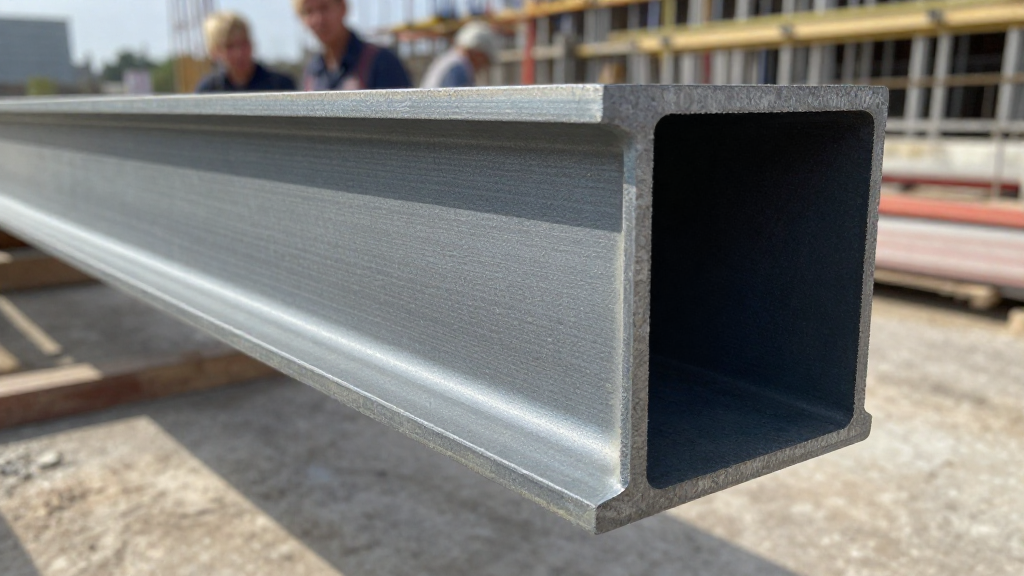
Understanding the components of a beam is crucial for civil engineering and construction.
Two fundamental elements of any beam are the web and flange.
In this article, we will explore what these components are, their functions, and their importance in structural integrity.
What is the Beam Web and Flange?
The beam web and flange are structural elements that provide beams with their strength and load-bearing capabilities.
What is the Web of a Beam?
The web is the vertical or diagonal section of the beam.
It connects the flanges and bears shear forces.
Here are some key characteristics of the beam web:
- Material: Typically made of steel, concrete, or timber, depending on the application.
- Thickness: Varies based on design requirements and anticipated load.
- Function: Primarily responsible for resisting shearing forces, which occur when a load is applied on the beam.
The thicker and more robust the web, the better it can handle shear stress.
What about the Flange in a Beam?
The flanges are the horizontal components that run parallel to the beam’s length.
They are located at the top and bottom of the beam and are responsible for carrying bending moments.
Here are some attributes of beam flanges:
- Material: Like the web, the flanges can also be made from materials such as steel or timber.
- Width and Height: The dimensions of the flanges significantly affect the beam’s capacity to bear loads.
- Function: The primary role of flanges is to provide resistance to bending.
More extensive and thicker flanges lead to higher bending resistance.
Why Are the Web and Flange Important?
The web and flange of a beam work together to ensure the beam can withstand various loads and stresses.
They play crucial roles in:
- Structural Integrity: A well-designed beam with the appropriate web and flange can stabilize buildings and bridges.
- Load Distribution: The web helps in distributing loads appropriately throughout the beam.
- Stability: A beam’s design, including the web and flange, helps prevent buckling and deformation.
The consideration of these factors is vital during the design phase of construction projects.
How Do Engineers Design the Beam Web and Flange?
When designing a beam, engineers must consider several factors to optimize the web and flange.
These considerations include:
- Load Conditions: Understanding the forces the beam will encounter helps in determining the appropriate web and flange dimensions.
- Material Selection: Choosing the right material can enhance the beam’s performance.
- Span Length: Longer spans typically require deeper webs and wider flanges to safely distribute weight.
- Support Type: The way a beam is supported influences its design.
- Safety Factors: Incorporating safety factors ensures that the beam operates within safe limits under loads.
By taking these factors into account, engineers can create highly effective beam designs suitable for various applications.
What Are Common Types of Beam Shapes?
Beams can come in a variety of shapes, and each shape has its unique characteristics with respect to the web and flange.
Here are some common beam shapes:
- I-beams: The most common shape, characterized by a prominent web and two flanges.
- T-beams: Similar to I-beams but with one flange forming a “T” shape.
- L-beams: Shaped like an “L,” these often serve specific structural purposes.
- Box beams: These feature enclosed sections that increase strength against torsion and bending.
- Renforced concrete beams: Integrate steel reinforcement and concrete to provide load-bearing capabilities.
Each type of beam uses the web and flange concept differently to meet professional engineering requirements.
What Challenges Do Engineers Face with Beam Web and Flange Design?
Designing the web and flange poses several challenges that engineers must navigate:
- Load Variability: In real-world scenarios, load conditions can change, making initial designs potentially inadequate.
- Material Limitations: The choice of materials can affect both the sustainability and cost of beam production.
- Local Building Codes: Regulations often dictate specific loading criteria and design principles that can complicate the design process.
- Buckling Risks: Long slender webs can buckle under pressure, necessitating careful design.
- Dynamic Forces: In certain applications, beams must also account for dynamic forces, such as those from vibrations or seismic activity.
Overcoming these challenges is essential in beam design to ensure safety and reliability.
Conclusion: Importance of Understanding Beam Web and Flange
The web and flange in a beam are integral components that contribute to the overall strength and stability of structures.
A thorough understanding of these elements enables better design and construction practices.
Incorporating the right materials, dimensions, and designs helps ensure that beams can withstand various forces over time.
Understanding the nuances of beam web and flange design leads to better engineering outcomes, improved safety, and enhanced structural integrity.
Ultimately, the effective design of the beam web and flange can significantly impact the overall success of construction projects, making it a vital area of focus for engineers and builders.