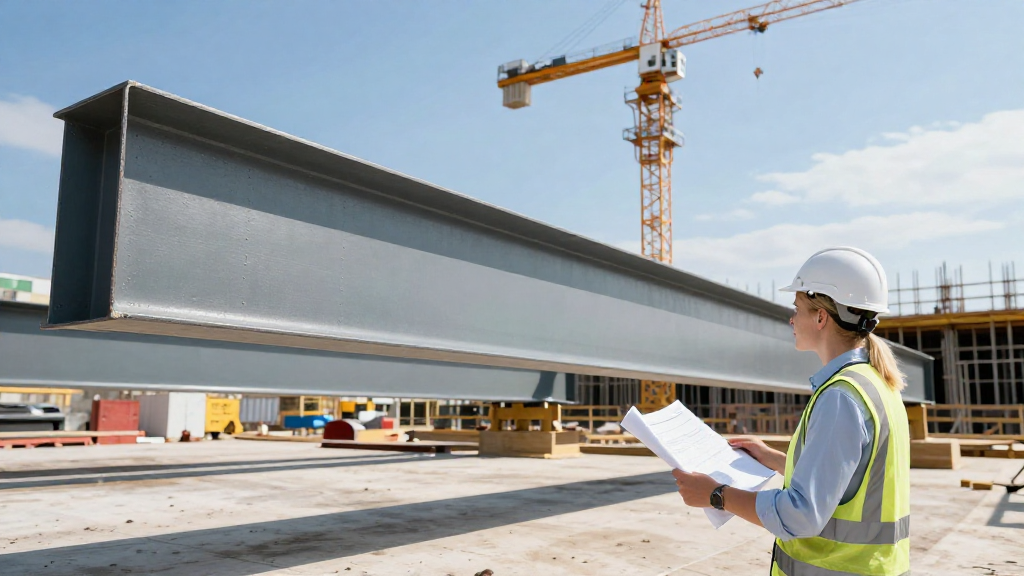
When designing structures, understanding beam span limits is crucial for ensuring safety and functionality.
What Are Beam Span Limits?
Beam span limits refer to the maximum distance a beam can span between supports without compromising its strength, stability, or safety.
These limits vary by several factors, including:
- Material: Different materials have different resistance to bending and shear forces.
- Beam Size: The dimensions of the beam significantly impact its load-bearing capacity.
- Load Type: Whether the load is uniformly distributed or concentrated affects span limits.
- Beam Shape: The cross-sectional profile can enhance or reduce performance.
Why Are Beam Span Limits Important?
Understanding beam span limits is critical for various reasons:
-
Safety: Overstressing a beam can lead to structural failure, posing risks to occupants and nearby elements.
-
Cost-Effectiveness: Knowing the limits allows for the design of efficient structures that minimize material use while ensuring safety.
-
Building Codes: Compliance with local building codes often mandates adherence to established beam span limits.
-
Material Lifespan: Properly sizing beams according to span limits can enhance the longevity of a structure.
How Do You Calculate Beam Span Limits?
Determining the correct beam span limits involves a series of calculations based on material properties and design criteria. Here’s a simplified guide:
-
Determine the Load: Assess the total load the beam must support, including live and dead loads.
-
Select the Material: Choose a material based on factors like weight, cost, and structural properties.
-
Beam Dimensions: Decide on the height and width of the beam, which influences its bending strength and stiffness.
-
Use Span Tables: Many engineers rely on span tables provided by organizations such as the American Institute of Steel Construction (AISC) or the American Wood Council (AWC). These tables list common materials and their allowable span limits based on loading conditions.
-
Consider Conditions: Factor in any special conditions, such as temperature changes or potential loads from environmental factors like snow or wind.
-
Load Distribution: Differentiate between concentrated loads and uniform loads to find the most accurate beam span limits.
What Factors Affect Beam Span Limits?
Several factors influence beam span limits besides materials and loads. These include:
1. Beam Type
-
Simple Beams: Supported at both ends with a concentrated load in the middle have different limits than beams with continuous spans.
-
Cantilever Beams: The span limits for beams that extend beyond their supports are different due to varying moments and shear forces.
2. Support Conditions
-
Fixed Supports: Provide better load resistance than simply supported beams, allowing for longer spans.
-
Hinged vs. Fixed: The type of hinge or support impacts how loads are distributed and resisted.
3. Environmental Factors
-
Snow Load: In areas with heavy snowfall, beams may need to have reduced span limits.
-
Seismic Activity: Regions prone to earthquakes may require stricter limits to ensure the structure can withstand dynamic forces.
4. Beam Material Properties
Different materials offer distinct benefits:
-
Wood: Generally has lower span limits but offers good flexibility and aesthetic appeal.
-
Steel: Allows for longer spans and greater load-bearing capabilities due to its higher strength-to-weight ratio.
-
Concrete: Reinforced concrete beams can span longer distances, particularly when using prestressing techniques.
What Are Typical Beam Span Limits?
Beam span limits vary widely based on the factors discussed. Here’s a quick reference guide for some common scenarios:
Wood Beams
-
For a 2×8 dimensional lumber (allowable live load: 40 psf), a typical span limit is around 10-12 feet.
-
Laminated Veneer Lumber (LVL) can span up to 20-30 feet depending on load conditions.
Steel Beams
-
A typical W8x10 rolled steel beam can span approximately 10-15 feet under usual load conditions.
-
Heavy-duty steel beams can reach 20-30 feet or more.
Concrete Beams
-
A standard reinforced concrete beam can span up to 15-20 feet without issues.
-
Pre-stressed beams can accommodate spans of 30 feet or more.
General Guidelines for Mixed Materials
- In hybrid situations, where wood might be used with steel or concrete for certain applications, always consult engineering tables or a structural engineer.
When Should You Consult a Structural Engineer?
If you are unsure about beam span limits for your project, consulting a licensed structural engineer is advisable for various reasons:
-
Complex Projects: Handling complicated structural designs that involve multiple beams and different materials.
-
Compliance with Codes: Ensuring your structure meets local building regulations and codes.
-
Safety Concerns: If you have doubts about the safety or stability of a designed structure.
Conclusion
Understanding beam span limits is crucial for the safety, functionality, and cost-effectiveness of any structural project.
From calculating loads to choosing appropriate materials, various factors influence these limits.
By considering all aspects of a structure’s design and consulting professionals when necessary, you can ensure a strong, secure building that meets both aesthetic and functional requirements. Whether you are a seasoned architect or a homeowner embarking on a renovation, knowing the limits of your beams lays the foundation for a successful project.