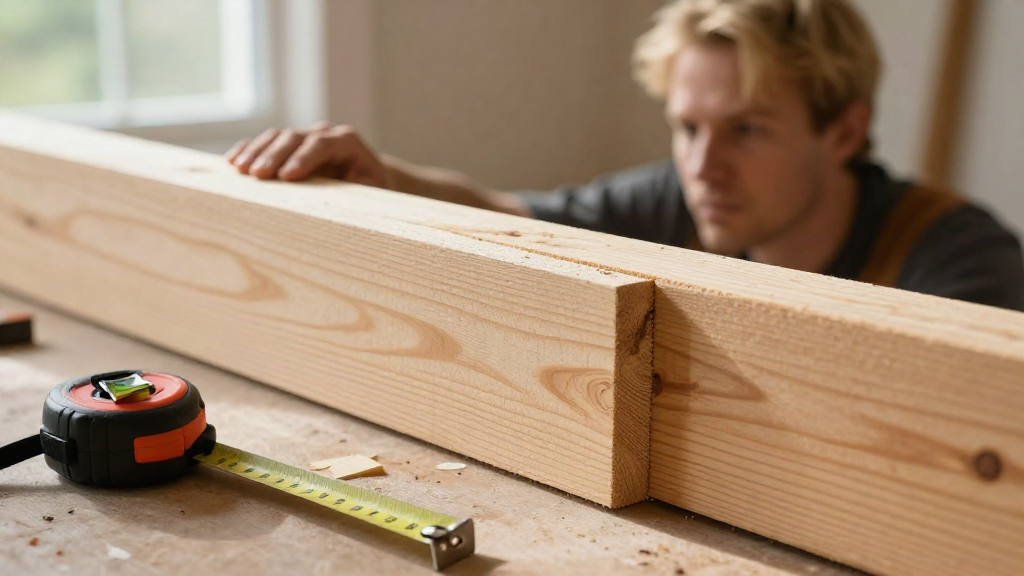
Beam uplift is a common issue in construction that can lead to structural problems if not addressed promptly. Understanding the causes of beam uplift and employing effective prevention strategies is crucial for maintaining the integrity of a structure.
What is Beam Uplift?
Beam uplift refers to the upward movement of beams within a structure, often caused by various factors that affect the foundation and framing of a building. This phenomenon can lead to serious consequences, including structural damage, safety hazards, and costly repairs.
What Causes Beam Uplift?
Several factors can contribute to beam uplift. Here are the most common causes:
-
Moisture Variations
Changes in moisture levels can significantly impact wooden or composite beams. When exposed to excess moisture, wood expands, and when it dries, it contracts. This cycle can lead to forces that push the beam upward. -
Improper Installation
If beams are not properly installed, they may not be adequately secured, leading to movement. Nail or adhesive failure can cause the connection between the beam and other structural components to weaken. -
Temperature Changes
Extreme temperature fluctuations can cause materials to expand and contract. In many cases, beam uplift occurs as a result of heat causing the materials to rise. -
Soil Settlement
When the ground around a foundation settles unevenly, it can create upward stress on beams, causing them to lift away from their designed position. -
Structural Overload
When beams are subjected to loads greater than their designed capacity, it can cause structural deformation leading to uplift phenomena. This might occur due to poor design planning or unexpected heavy loads.
How Can You Prevent Beam Uplift?
Preventing beam uplift involves several proactive measures that focus on proper design, installation, and maintenance techniques. Here are some effective strategies:
-
Use Moisture-Resistant Materials
When selecting materials for your beams, consider moisture-resistant options. This is particularly important in areas prone to high humidity or water exposure. Using treated lumber or engineered wood products can help prevent moisture-induced uplift. -
Ensure Proper Installation Techniques
Follow best practices for the installation of beams. Make sure all connections are secure, using appropriate fasteners and adhesives. Consulting with a structural engineer can also help ensure that beams are installed correctly to prevent uplift. -
Control Indoor Humidity
Implement HVAC systems designed to control indoor humidity levels. Keeping humidity consistent can help minimize the expansion and contraction of wood beams. -
Apply Appropriate Insulation
Ensure that your structure is well-insulated, which helps to regulate temperature and humidity. Poor insulation can lead to temperature variations that contribute to beam uplift. -
Conduct Regular Inspections
Periodically assess the condition of beams and the building’s foundation. Early detection of signs of uplift, such as gaps between beams and other structural elements, enables timely intervention before significant damage occurs. -
Repair Soil Issues
If soil settlement is suspected, consult with a geotechnical engineer. They can evaluate soil conditions and recommend measures to stabilize the soil, preventing further movement that may affect beam positioning.
What Are the Signs of Beam Uplift?
Recognizing the signs of beam uplift early can help prevent extensive damage. Here are some key indicators to watch for:
-
Gaps Around Windows and Doors: One of the most notable signs is increased gaps around the frames of windows and doors, indicating potential movement of structural components.
-
Cracks in Walls or Ceilings: Look for new or widening cracks in drywall or plaster, particularly near where beams are located.
-
Uneven Floors: Floors that feel uneven or seem to slope in certain areas may indicate beam uplift is occurring underneath.
-
Nail Pops: Observing nails that have pushed through drywall or other finishes could be a sign that the structure is shifting, causing stress on attached components.
When Should You Seek Professional Help?
If you notice signs of beam uplift, it’s crucial to seek professional help. A structural engineer or a qualified contractor can assess the situation more accurately and suggest the best course of action.
Conclusion
Maintaining the structural integrity of a building is paramount, and understanding beam uplift is crucial to achieving that goal. By identifying the common causes and implementing preventive measures, you can protect your property from the adverse effects of beam uplift.
Regular inspections, moisture control, and proper installation techniques are key strategies in this endeavor. By taking action now, you can prevent potentially costly repairs in the future and ensure that your building remains safe and sound.
Remember, even the smallest signs of beam uplift should not be ignored. Early intervention can save you from a world of trouble later on!