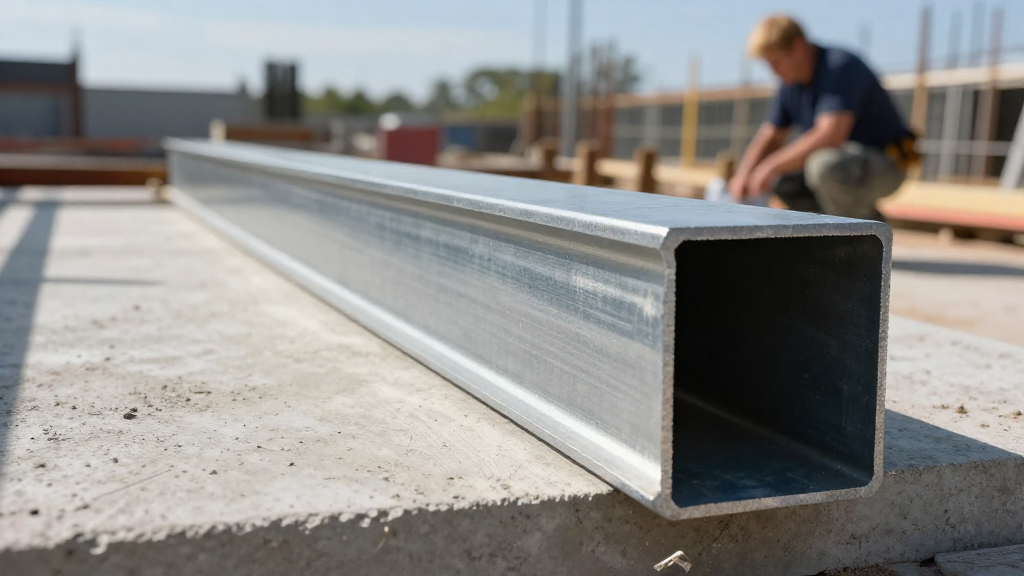
When discussing structural elements in construction, understanding the differences between a beam and a slab is crucial.
What Are Beams and Slabs?
In the context of structural engineering, a beam is a horizontal or sloping member that supports vertical loads.
They are primarily designed to bear loads that are perpendicular to their length, transferring the weight to vertical supports.
Conversely, a slab is a flat, horizontal concrete element.
Slabs can include flooring, ceilings, and roofing, and are typically designed to distribute loads across their surface area.
What is the Purpose of a Beam?
The primary purpose of a beam is to carry and support loads.
Beams allow for the creation of open spaces in buildings by supporting structures above them, thus eliminating the need for additional columns.
Key purposes of beams include:
- Load Distribution: Transferring weight to structural supports, which can include walls or columns.
- Flexural Resistance: Providing strength under bending moments caused by the loads applied on them.
- Structural Integrity: Enhancing stability and safety in buildings and infrastructure.
What is the Role of a Slab?
Slabs serve multiple roles in construction.
One of the main functions of a slab is to act as a surface for both the floor and ceiling.
Additionally, slabs can also provide thermal mass, fire resistance, and sound insulation.
Functions of slabs include:
- Load-Bearing Surface: Offering a level surface for various installations, such as flooring and roofing.
- Horizontal Support: Providing additional structural stability across wider spans.
- Thermal and Acoustic Insulation: Slabs can improve energy efficiency and reduce noise transmission in buildings.
How are Beams and Slabs Different in Design?
The design aspects of beam vs slab clearly illustrate their differences.
Key differences in design include:
- Shape: Beams are elongated and linear, while slabs are flat and wide. This fundamental difference in geometry leads to various structural behaviors.
- Structural Analysis: Beams require calculations to understand bending moments and shear forces, whereas slabs involve surface load distribution analysis, focusing on deflections and stresses.
- Material Use: Beams are often constructed using various materials, including steel and wood, while slabs are primarily composed of reinforced concrete.
How Do Beams and Slabs Work Together?
In modern construction, beams and slabs are often integrated.
When considering beam vs slab, it is essential to understand how they complement each other in creating durable and stable structures.
Integration points include:
- Load Transfers: Beams bear loads that are transferred from slabs, creating an interdependent relationship between the two elements.
- Support Framework: Slabs may be supported on beams to maximize usable living spaces in buildings, enabling open floor designs without numerous supporting columns.
- Structural Systems: Many modern designs feature a combination of beams and slabs, such as the popular flat slab system, optimizing material use and enhancing aesthetic appeal.
What Are the Common Types of Beams?
Beams come in various forms, designed to cater to specific structural needs.
Some common types include:
- Simply Supported Beams: Supported on both ends with no additional restraints, allowing bending under loads.
- Cantilever Beams: Supported at one end only, cantilevers allow for overhanging structures.
- Continuous Beams: Extend over multiple supports without a break, effectively distributing loads.
- Composite Beams: Often made from both steel and concrete, combining the benefits of both materials.
What Are the Common Types of Slabs?
Just like beams, slabs have multiple types that are suited for various construction applications.
Some common types include:
- One-Way Slabs: Designed for loads in one direction, supported by beams on two sides.
- Two-Way Slabs: Supported on all four sides, allowing for load distribution in both directions, ideal for larger spans.
- Flat Slabs: Simplistic in design and often used in commercial buildings, featuring fewer or no columns.
- Hollow Core Slabs: Precast slabs with hollow spaces, reducing weight while maintaining strength and rigidity.
Where Are Beams and Slabs Used?
Understanding the applications of beam vs slab can clarify their practical usage in construction.
Applications include:
- Residential Buildings: Slabs serve as foundation floors or upper floors while beams provide structural support.
- Commercial Structures: Beams are crucial for carrying significant loads from roofs and upper floors, whereas slabs contribute to overall building occupancy areas.
- Bridges and Infrastructure: In civil engineering, beams support the deck of a bridge, while slabs help create road surfaces.
What Are the Costs Involved in Beams and Slabs?
When comparing beam vs slab economically, it’s essential to consider several factors that influence costs.
Cost considerations include:
- Material Costs: Quality and type of materials used can significantly affect overall expenses for beams and slabs.
- Labor Intensity: The complexity of installation and the required workforce can impact labor costs.
- Maintenance Components: Over time, beams might require maintenance depending on material properties, while slabs often have a longer lifespan when properly reinforced.
Conclusion: The Key Takeaways on Beam vs Slab
Understanding how beam vs slab operates enables architects, engineers, and builders to make informed decisions about structural design.
Beams are integral in providing support to loads and enhancing stability, while slabs serve critical roles as foundational and surface elements.
By recognizing their differences and applications, you can ensure better building practices that promote safety and efficiency in construction projects.
In summary, while beams and slabs share the same equilibrium of supporting loads, they play distinctly different roles in the structural landscape of buildings and infrastructure.
By embracing these variations, one can optimize design strategies to create resilient and aesthetically pleasing spaces.