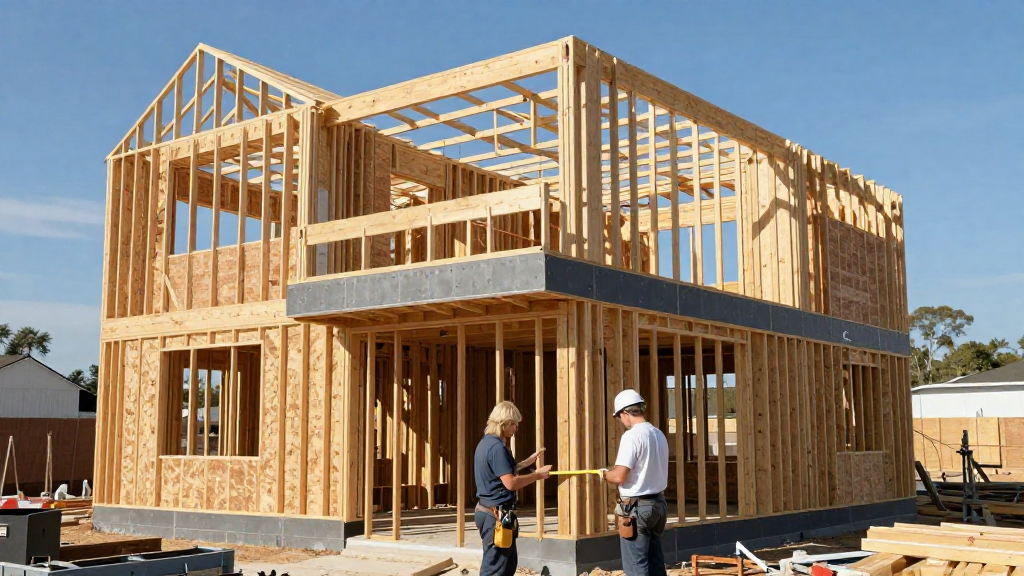
Determining the beam size for a 2 storey house is crucial for the structural integrity and overall safety of the building.
When designing a two-storey house, it’s essential to understand the role of beams and how their size impacts the entire structure.
In this article, we’ll explore the most suitable beam sizes and factors to consider when selecting them.
Why Do We Need Beams in a Two-Storey House?
Beams act as the main tension and compression members of your house.
They support:
- Floors
- Roofs
- Ceilings
Without adequately sized beams, you risk compromising the structural integrity of your home.
Here are a few reasons why selecting the correct beam size for a 2 storey house is paramount:
- Load Distribution: Beams distribute loads from the roof and upper floors to the foundation.
- Safety: Poorly sized beams can lead to sagging, cracking, or even structural failure.
- Aesthetics: The right beam size ensures that your interior design looks cohesive and professional.
What Factors Influence Beam Size?
When determining the appropriate beam size for a 2 storey house, consider the following factors:
1. Load Requirements
The load requirements consist of the total weight that the beam will support, which includes:
- Dead Loads: The weight of the building materials, such as the beams themselves, walls, and roofing.
- Live Loads: The weight of occupancy, furniture, and other movable objects in the house.
2. Span Length
The span length is the distance between two supports. Generally, the larger the span, the larger the beam needs to be.
3. Building Materials
The type of material used for beams affects their strength and size:
- Wood: Generally lighter and may require larger dimensions for longer spans.
- Steel: Stronger and can often span longer distances without requiring as much depth.
- Concrete: Offers great compressive strength and can also withstand substantial loads.
4. Local Building Codes
Always check local building codes as they specify minimum requirements for beam sizes in residential construction.
5. Environmental Conditions
Consider climate and environmental factors:
- Seismic Activity: Areas prone to earthquakes may require larger or differently configured beams.
- Wind Loads: High-wind areas might require sturdier beams.
What are Common Beam Sizes for a Two-Storey House?
Selecting the right beam size for a 2 storey house requires familiarity with standard sizes.
Here are some common beam sizes and their typical applications:
1. Wood Beams
- 2×8: Suitable for short spans (up to 10 feet) in light-load areas.
- 2×10: Can support moderate loads and spans (up to 12 feet).
- 2×12: Ideal for larger spans or when heavier loads are expected.
2. Steel Beams
- W8x10: A lighter option for residential applications (approximately 10 feet long).
- W10x12: A stronger choice that can carry heavier loads for longer spans.
- W12x14: Often used in commercial applications but can be utilized for larger residential needs.
3. Concrete Beams
- Sizes typically vary based on design but can be around 12 inches in depth and can span large distances when reinforced properly.
How to Calculate the Required Beam Size?
Calculating the appropriate beam size for a 2 storey house involves several steps:
Step 1: Determine the Load
- Compute the total load (dead plus live) that the beam will support.
- This can often be calculated using load tables or structural engineering software.
Step 2: Measure the Span
- Measure the distance between the supports where the beam will be placed.
- Longer spans will typically necessitate larger beams.
Step 3: Consult Load Tables
- Use span tables based on the material you are using (wood, steel, concrete) to find the appropriate beam size for your calculated load and span.
Step 4: Factor in Safety
- Always choose beam sizes that exceed your calculations for added safety.
- A structural engineer can help finalize choices based on specific requirements.
Should You Consult a Structural Engineer?
Yes!
Consulting a structural engineer is always recommended when deciding on the beam size for a 2 storey house.
An engineer can:
- Provide detailed calculations tailored to your specific house design.
- Ensure that the chosen materials are suited for your geographical area and climate.
- Offer suggestions for optimizing the structural framework.
What Common Mistakes Should You Avoid?
While designing a two-storey house, avoid these common pitfalls:
- Ignoring Building Codes: Failing to comply can lead to fines and structural issues.
- Underestimating Loads: Always consider the possibility of heavier loads than initially expected.
- Neglecting Environment: Not factoring in environmental conditions could compromise safety.
Conclusion
Choosing the appropriate beam size for a 2 storey house is vital to ensure safety, functionality, and longevity of your home.
Consider aspects like load requirements, building materials, spans, and local codes to make an informed decision.
Consulting with experts can alleviate uncertainties and ensure that your home remains safe and structurally sound for years to come.
If you’re embarking on a building project, take the time to understand these factors and ensure the success of your project.
None of these details should be overlooked; a well-planned structure begins with proper beam sizing!