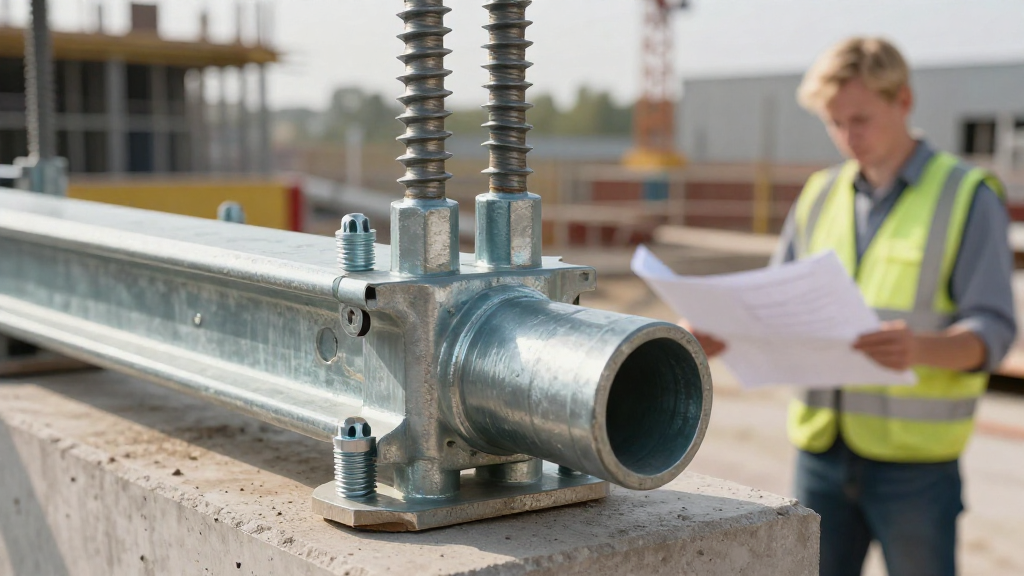
When it comes to structural integrity in construction, understanding beam anchorage details is crucial.
In this article, we will explore the various aspects of beam anchorage, ensuring you have a comprehensive perspective on design, types, installation processes, and common challenges.
What is Beam Anchorage?
Beam anchorage refers to the method of securing a beam within a structure.
It plays an essential role in ensuring that beams can carry loads effectively while maintaining stability and safety over time.
Proper anchorage helps to absorb tension and shear forces, reducing the likelihood of structural failure.
Why Are Beam Anchorage Details Important?
-
Load Distribution:
– Beam anchorage details help in distributing loads evenly across the structure.
– Proper details prevent beam deflection and excessive stress on supporting columns or walls. -
Structural Safety:
– Clear anchorage details are critical in preventing structural collapse.
– Adequate anchorage ensures that beams remain connected to the structure, even under extreme conditions. -
Compliance with Regulations:
– Understanding beam anchorage details is essential for adherence to local building codes and engineering standards.
– Compliance ensures that the construction meets safety and performance requirements.
What Are the Components of Beam Anchorage?
The beam anchorage details can be broken down into several key components:
-
Anchor Bolts: These are critical components used to secure beams to their supporting structures.
-
Steel Plates: Used in conjunction with anchor bolts, steel plates distribute loads effectively.
-
Reinforcement Bars: These bars enhance the beam’s durability and strength, preventing cracking or failure.
-
Connection Types: Beam anchorage can involve various connections, such as welded, bolted, or cast-in-place methods.
-
Bearing Types: The type of bearing utilized will influence how forces are transferred through the beam and into the supporting structure.
How Are Beam Anchorage Details Designed?
Designing effective beam anchorage details involves a systematic approach:
-
Load Calculation:
– Calculate the loads the beam will bear, including live loads (temporary) and dead loads (permanent).
– This information is crucial for determining the necessary size and number of anchors. -
Material Selection:
– Choose materials that can withstand the expected loads and environmental conditions.
– Common materials include high-strength steel and concrete. -
Connection Design:
– Decide on which type of connection best suits the structural needs. -
Simulation:
– Utilize software designed for structural analysis to simulate the performance of the design under various conditions. -
Compliance along with Codes:
– Ensure that all details comply with relevant structural engineering standards and building codes.
What Are the Different Types of Beam Anchorage?
There are several types of beam anchorage methods, each with unique characteristics suited for various applications:
-
Welded Anchor Connections:
– Beams are directly welded to the supporting structure.
– This offers high strength but may require special considerations for changes in design. -
Bolted Connections:
– Beams are connected using high-strength bolts.
– These connections allow for adjustments and disassembly, making them easier to work with in certain situations. -
Cast-in-Place Anchors:
– Anchors are embedded in concrete during casting.
– This provides strong initial anchorage and load transfer as the concrete cures. -
Post-installed Anchors:
– Anchors are installed after the concrete has cured.
– This option provides flexibility for retrofitting or making design changes.
What Common Mistakes Should Be Avoided in Beam Anchorage?
When it comes to beam anchorage details, there are several common mistakes that can lead to structural failures:
- Insufficient Load Calculations:
-
Failing to accurately calculate loads can lead to inadequate anchorage solutions.
-
Neglecting Material Properties:
-
Using inappropriate materials for specific conditions can weaken the anchorage.
-
Ignoring Building Codes:
-
Every area has specific codes. Not adhering to them can result in penalties and unsafe structures.
-
Poor Installation Practices:
- Inaccurate installation of anchor bolts or plates can compromise structural integrity.
How Can Beam Anchorage Be Tested?
Testing beam anchorage details is crucial for ensuring their effectiveness. Here are common testing methods:
- Static Load Testing:
-
Involves applying a static load to the beam to assess its deformations and displacement over time.
-
Dynamic Load Testing:
-
Testing how the beam responds to dynamic loads can provide insights into its performance under real-world conditions.
-
Non-Destructive Testing (NDT):
- Techniques like ultrasonic testing can evaluate the integrity of welds and connections without damaging the material.
What Are the Best Practices for Executing Beam Anchorage?
To ensure effective beam anchorage, consider the following best practices:
-
Detailed Planning:
– Adequate planning of anchorage details will lead to fewer issues during the construction phase. -
Consultation with Structural Engineers:
– Always consult qualified professionals when designing anchorage for critical structures. -
Regular Inspections:
– Implement regular inspections during and after construction to identify potential issues early. -
Employee Training:
– Ensure that workers are trained in best practices for installation, maintenance, and upholding safety protocols.
Conclusion
In conclusion, understanding and implementing proper beam anchorage details is essential for any construction project, ensuring structural integrity and compliance with safety standards.
Whether you are a structural engineer, an architect, or a construction worker, familiarity with these details can help you contribute to creating resilient and safe structures.
By paying close attention to load calculations, materials, connection types, and adhering to building codes, you can significantly prevent failures and enhance the safety and longevity of buildings.