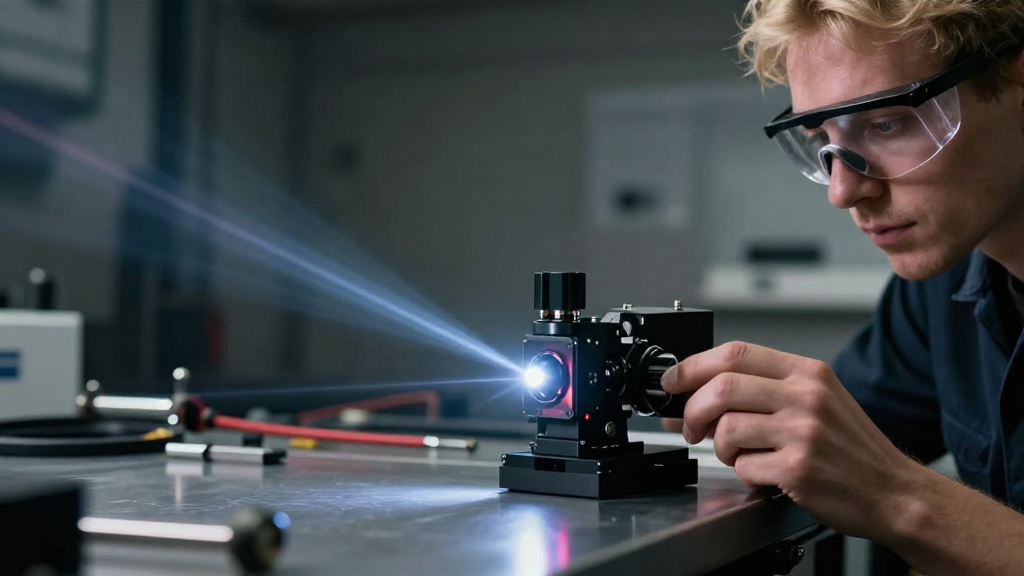
Beam laser alignment is a revolutionary technique in the field of precision alignment, leveraging the power of laser technology to ensure optimal accuracy in machinery and structural components.
In this article, we will explore how beam laser alignment operates, its importance, the tools used, and its advantages over traditional alignment methods.
What Is Beam Laser Alignment?
Beam laser alignment is a method utilized to achieve precise alignment of machinery or equipment using laser beams.
The primary goal is to ensure that parts are accurately positioned relative to one another, thereby minimizing wear and improving performance.
This technique is particularly beneficial in industries such as manufacturing, construction, and even aerospace, where minute misalignments can lead to significant issues.
How Does Beam Laser Alignment Actually Work?
The principles of beam laser alignment are relatively straightforward yet highly effective.
-
Laser Source: At the core of the process is a laser source that emits a focused beam of light.
-
Targets: These lasers are directed towards targets that have been placed at specific points in the alignment process.
The targets typically have reflective qualities to enhance visibility and ensure accuracy. -
Measurement and Feedback:
The alignment system often employs digital readouts or software that helps to interpret the data collected from the beams.
This allows operators to see real-time feedback on the alignment status. -
Adjustments: Based on the data received, technicians can make precise adjustments to the machinery or components until optimal alignment is achieved.
Why Is Beam Laser Alignment Important?
The benefits of beam laser alignment are manifold, particularly in industrial settings where precision is paramount.
-
Improved Accuracy:
The laser systems provide high levels of precision, often within a fraction of a millimeter. -
Reduced Downtime:
With faster alignment processes, companies can minimize machine downtime, thereby maximizing productivity. -
Longer Equipment Life:
Proper alignment reduces the wear and tear on mechanical parts, leading to longer lifespans and decreased maintenance costs. -
Enhanced Safety:
Aligning equipment correctly can prevent accidents caused by unexpected equipment failure.
What Tools Are Used in Beam Laser Alignment?
A variety of tools are required to perform effective beam laser alignment.
Here are some common instruments involved in the process:
-
Laser Alignment Systems:
These systems come with laser emitters, targets, and measurement equipment. -
Optical Level:
Helps in ensuring that the laser beam is horizontal or at the correct incline. -
Reflective Targets:
Used to capture the laser beam’s position and relay accurate feedback to the measurement system. -
Software:
Specialized software is often employed to analyze alignment data and suggest adjustments. -
Tripods or Mounts:
To keep the laser in a stable position during alignment.
How Does Beam Laser Alignment Compare to Traditional Methods?
Traditional alignment methods, such as using a plumb line or measuring tapes, are time-consuming and less accurate.
Key Comparisons:
-
Speed:
Beam laser alignment is significantly faster, enabling technicians to complete tasks in a fraction of the time. -
Accuracy:
Laser alignment provides a level of precision that traditional methods simply cannot match. -
Ease of Use:
Laser alignment equipment often features user-friendly interfaces and software that simplify the alignment process. -
Feedback:
Real-time data and analytics make adjustments easier and more precise than traditional methods, which often rely on manual calculations.
Who Can Benefit from Beam Laser Alignment?
Numerous industries can take advantage of beam laser alignment, including:
-
Manufacturing:
Machinery must be accurately aligned to ensure quality production and prevent machinery failure. -
Construction:
For the proper installation of heavy equipment and structures, such as beams and supports. -
Aerospace:
Precision is crucial in aerospace applications, where even the slightest misalignment can have dire consequences. -
Oil & Gas:
Equipment used in extraction and transportation requires reliable alignment to maintain operational efficiency and safety.
What Are the Steps Involved in Performing Beam Laser Alignment?
Employing beam laser alignment involves several systematic steps to ensure successful results:
-
Preparation:
Gather all necessary tools and ensure the laser system is calibrated properly. -
Setup:
Position the laser aligning tool and reflective targets according to the manufacturer’s specifications. -
Measurement:
Turn on the laser and observe the reflection on targets. Use the digital readouts for precise measurements. -
Evaluation:
Analyze the measurement data to determine any misalignment. -
Adjustment:
Make the necessary adjustments based on the collected data. -
Verification:
Repeat the measurement process to confirm that the alignment now meets required standards. -
Documentation:
Maintain a record of the alignment process, adjustments made, and outcomes for future reference.
Why Choose Beam Laser Alignment?
The choice to implement beam laser alignment in your operations can lead to substantial benefits:
-
Precision in Operations:
Maximize efficiency with highly accurate alignments. -
Cost Savings:
Reduced maintenance and fewer breakdowns can lead to significant cost savings in the long run. -
Increased Productivity:
Streamlined processes and less downtime means more time focused on production. -
Improved Work Safety:
Minimizing misalignments enhances the overall safety of the work environment.
Conclusion
Beam laser alignment is an essential tool in modern industries that require precision and efficiency.
Its ability to dramatically improve accuracy and reduce downtime makes it an invaluable resource for businesses.
As industries continue to evolve, embracing innovative solutions like beam laser alignment will be crucial for maintaining a competitive edge.
By understanding how beam laser alignment works and its benefits, companies can make informed decisions about their alignment processes and invest in the right technologies that deliver real results.