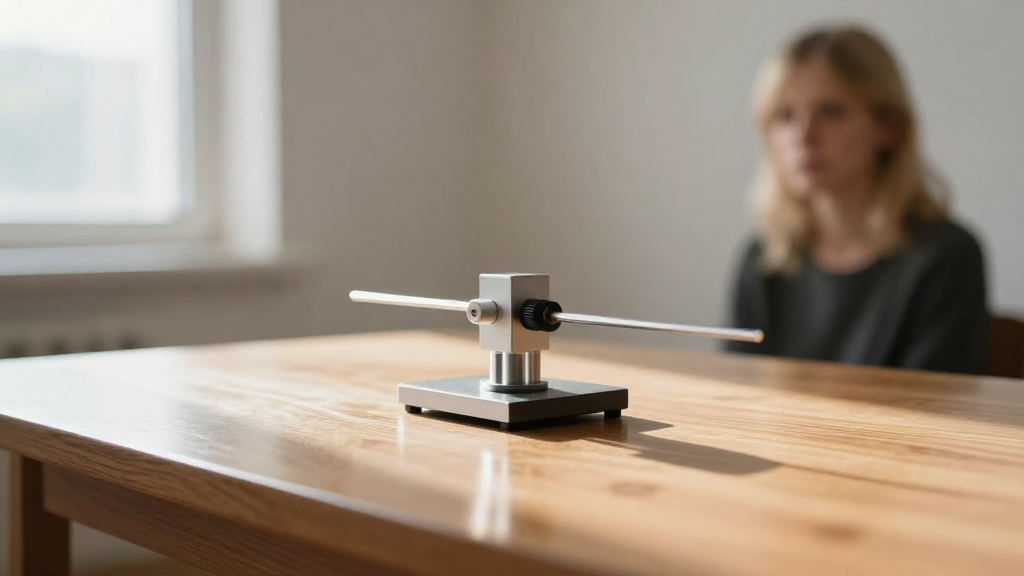
A beam splitter in optics is a crucial optical device designed to split a beam of light into two or more separate paths.
What Does a Beam Splitter Do?
A beam splitter is used extensively in various applications within optics to accomplish several essential tasks, including:
- Dividing Light: It allows precise control over the path of light.
- Combining Light: It can also combine different light beams for various outputs.
- Directional Changes: It changes the direction of light, enabling different optical setups.
Its versatility makes it an indispensable tool in fields such as photography, telecommunications, and scientific research.
What Are the Types of Beam Splitters?
There are several types of beam splitters, each designed for specific applications. Here is a quick look at the most common types:
-
Plate Beam Splitters:
– These are thin pieces of glass coated with a semi-transparent film.
– They are typically employed for visible light applications. -
Cube Beam Splitters:
– These are made by cementing two prisms together at a right angle to form a cube.
– They are effective in reflecting one part of the beam while transmitting another. -
Polarizing Beam Splitters:
– These selectively transmit or reflect light depending on the polarization state.
– Ideal for applications needing control over light polarization. -
Non-Polarizing Beam Splitters:
– These do not discriminate based on polarization, providing equal transmission for all polarizations.
– Used in settings where polarization control is not necessary.
How Is a Beam Splitter in Optics Structured?
A beam splitter typically consists of a glass substrate coated with a thin film that partially reflects and partially transmits light.
Key structural elements include:
- Glass Substrate: Provides mechanical stability and optical clarity.
- Coating Material: Determines the ratio of reflectance and transmittance.
- Size: Varies to suit different optical systems and applications.
The configuration and quality of these elements significantly affect the performance of the beam splitter.
Where Is a Beam Splitter Used?
A beam splitter in optics is utilized in various fields, including:
1. Photography
- Image Composition: Beam splitters help in composing images and controlling light paths for various effects.
- Camera Systems: Many professional cameras utilize beam splitters to balance exposure between different areas of an image.
2. Telecommunications
- Signal Processing: Beam splitters are employed in fiber optic networks to direct signals through various paths.
- Data Transmission: They enhance the efficiency of data transfer by ensuring optimal light paths.
3. Scientific Research
- Interferometry: A beam splitter is pivotal in interferometers for measuring light interference patterns.
- Spectroscopy: Used in splitting light for analysis in studies involving different wavelengths.
4. Medical Instruments
- Endoscopy: In medical devices, beam splitters help direct light for better imaging of internal organs.
- Laser Surgery: They allow precise targeting of laser beams necessary for surgical applications.
What Are the Advantages of Using a Beam Splitter in Optics?
There are several notable advantages to using a beam splitter:
- Versatility: Can be used in various systems and applications.
- Precision: Offers high accuracy in controlling light paths.
- Efficiency: Reduces the need for multiple light sources by utilizing one source effectively.
- Cost-effective: Generally provides an economical solution for projects needing light manipulation.
What Should You Consider When Choosing a Beam Splitter?
When selecting a beam splitter in optics, several factors should be taken into account:
- Wavelength Range: Ensure the splitter is designed for the specific wavelengths you intend to use.
- Splitting Ratio: Determine the required balance between transmitting and reflecting light.
- Material Quality: Opt for high-quality optical materials that minimize distortions.
- Polarization: Decide if you need a polarizing or non-polarizing beam splitter based on your application.
- Size and Shape: Choose a size compatible with your optical setup.
How Is a Beam Splitter Tested and Calibrated?
Testing and calibration are essential to ensure that a beam splitter performs optimally. Here’s a brief outline of the process:
- Optical Setup: Construct a controlled environment with laser sources and detectors.
- Input Measurements: Capture the intensity of incoming light before it reaches the beam splitter.
- Output Measurements: Measure the intensity of the transmitted and reflected light separately.
- Calculate Ratios: Compare the input and output values to determine the efficiency and effectiveness of the beam splitter.
- Adjustments: If necessary, make calibration adjustments to improve performance.
What Are Common Misconceptions About Beam Splitters?
1. Beam Splitters Are Only for Lasers
While commonly associated with laser applications, beam splitters are versatile and used in multiple light sources, including LEDs and incandescent bulbs.
2. All Beam Splitters Work the Same Way
Not every beam splitter operates identically. The method of splitting light can vary significantly based on its type, wavelength used, and intended application.
3. They Are Expensive and Rare
While high-precision beam splitters can be costly, numerous economical options are available for different applications.
Conclusion
A beam splitter in optics is a multifaceted and essential device that plays an important role across various domains, from photography to scientific research.
By understanding their types, structures, applications, and advantages, you can make informed decisions regarding their use in your specific projects.
As technology advances, the importance of beam splitters continues to grow, driving innovation and efficiency in optical systems worldwide.