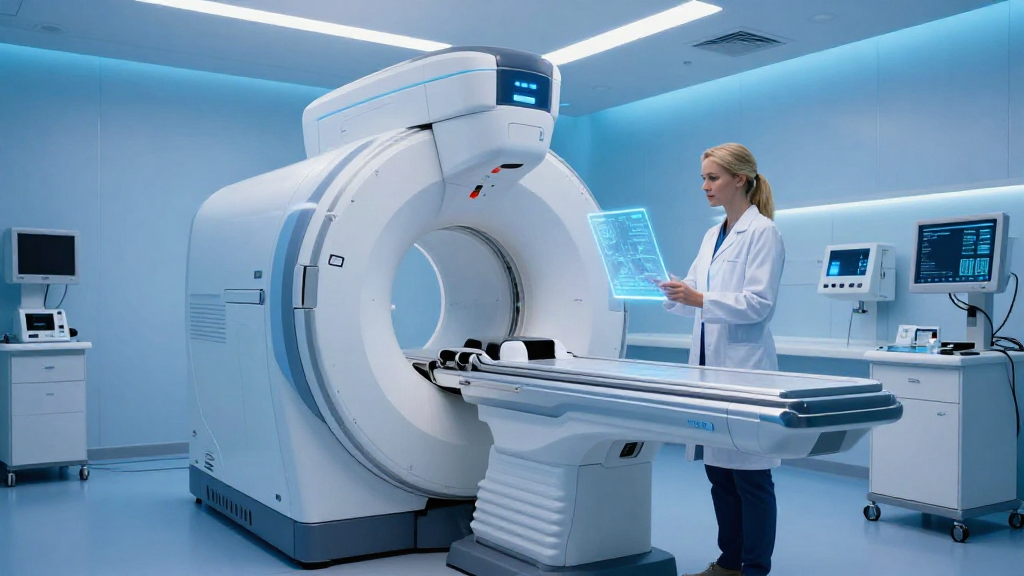
Beam proton therapy is an innovative cancer treatment that utilizes charged particles to target and destroy tumors with precision.
This article will delve into what beam proton therapy is, how it works, its benefits, and its applications in modern medicine.
How Does Beam Proton Therapy Work?
Beam proton therapy uses protons instead of traditional X-rays to treat cancer.
Here’s a simplified breakdown of the process:
-
Proton Generation:
– Protons are produced in a particle accelerator. -
Beam Targeting:
– The generated proton beam is directed towards the tumor.
– Unlike X-rays that pass through the body, proton therapy delivers energy directly to the tumor. -
Depth Dose Distribution:
– Protons deposit most of their energy at a predetermined depth, known as the Bragg peak.
– This feature allows for minimal damage to surrounding healthy tissues.
What Are the Benefits of Beam Proton Therapy?
Beam proton therapy offers numerous advantages over conventional radiation treatments.
-
Precision Targeting:
– The ability to directly focus on the tumor minimizes collateral damage to adjacent healthy structures. -
Reduced Side Effects:
– Patients often experience fewer side effects due to the selective nature of proton therapy.
– Common side effects seen in traditional therapies like fatigue, skin irritation, and nausea can be significantly reduced. -
Higher Doses with Safety:
– Because of its precision, doctors can administer higher doses of radiation to tumors without increasing risks to surrounding tissues. -
Beneficial for Pediatric Patients:
– Children are particularly vulnerable to the harmful effects of radiation.
– Beam proton therapy is considered safer for their developing bodies compared to traditional X-ray therapies. -
Improved Outcomes for Certain Cancers:
– Studies have shown better outcomes for certain types of cancers, such as brain tumors and prostate cancer.
Who Can Benefit from Beam Proton Therapy?
Many patients diagnosed with cancer can benefit from beam proton therapy, particularly those with:
-
Localized Tumors:
– Tumors that are confined to one area are ideal candidates. -
Sensitive Areas:
– Tumors located near critical organs, like the heart or spinal cord, may benefit from the reduced radiation exposure offered by proton therapy. -
Recurrent Cases:
– Patients whose cancer has returned after traditional treatments often find that beam proton therapy is an option. -
Young Patients:
– Children with cancer, especially brain tumors, can benefit from the reduced risk of long-term side effects.
How Is Beam Proton Therapy Administered?
The administration of beam proton therapy involves several steps:
-
Consultation and Imaging:
– The treatment begins with a thorough consultation, including diagnostic imaging to locate the tumor accurately. -
Treatment Planning:
– A radiation oncologist develops a personalized treatment plan based on tumor type, location, and patient health.
– Advanced imaging techniques, such as CT and MRI scans, help determine the best approach. -
Fitting for a Positioning Device:
– Patients may receive custom-fitted devices to ensure they remain in the exact position during treatment for maximum accuracy. -
Treatment Sessions:
– Sessions are typically administered daily over a few weeks, depending on the case.
– Each session lasts 30 minutes to an hour, depending on the treatment protocol. -
Ongoing Monitoring:
– Regular follow-ups and imaging are conducted to assess the effectiveness of the treatment and make adjustments when necessary.
What Conditions Can Beam Proton Therapy Treat?
Beam proton therapy has been used to treat various types of cancer, including but not limited to:
- Brain tumors: Such as gliomas and meningiomas.
- Breast cancer: Especially for patients undergoing breast-conserving surgeries.
- Prostate cancer: Particularly beneficial for localized disease.
- Lung cancer: Targeting tumors while sparing surrounding healthy lung tissue.
- Head and neck cancers: Reducing damage to nearby critical structures.
How Does Beam Proton Therapy Compare with Traditional Radiation?
Comparing beam proton therapy to traditional radiation reveals significant differences:
-
Type of Radiation:
– Beam proton therapy uses protons, while traditional therapies typically use X-rays. -
Energy Delivery:
– Protons release their energy at a specific point, while X-rays continue to deposit energy along their entire path. -
Side Effects:
– Proton therapy tends to have fewer side effects, making it a preferred option for many patients. -
Treatment Planning Complexity:
– The planning for beam proton therapy can be more complex due to the need for precise positioning and imaging.
What Are the Limitations of Beam Proton Therapy?
Despite its numerous benefits, beam proton therapy has certain limitations:
-
Cost:
– Proton therapy facilities are expensive to build and maintain, leading to higher treatment costs. -
Availability:
– Not all medical centers offer proton therapy; access may be limited based on geographic location. -
Insurance Coverage:
– Some insurance plans do not fully cover proton therapy, making affordability a potential concern for many patients. -
Not for All Tumors:
– Some tumor types or locations may not be suitable for proton therapy.
What Should Patients Expect During and After Treatment?
Understanding what to expect can alleviate anxiety around beam proton therapy:
- During Treatment:
- Patients may hear sounds from the machine and feel nothing during the actual treatment.
-
Sessions are short and generally painless.
-
Post-Treatment Effects:
-
Some patients may feel fatigue or mild localized reactions, but these are generally less severe compared to traditional treatments.
-
Follow-Up Care:
- Ongoing monitoring and follow-up appointments are crucial to assess recovery and any late effects of treatment.
Conclusion
Beam proton therapy represents a significant advancement in cancer treatment, offering precision and safety.
Its ability to spare healthy tissues while effectively targeting tumors makes it a promising option for many patients.
If you’re considering treatment options for cancer, discussing beam proton therapy with your healthcare provider could offer valuable insights into personalized care tailored to your specific needs.
By understanding what beam proton therapy is, its benefits, and potential limitations, you can make more informed decisions about your cancer treatment journey.