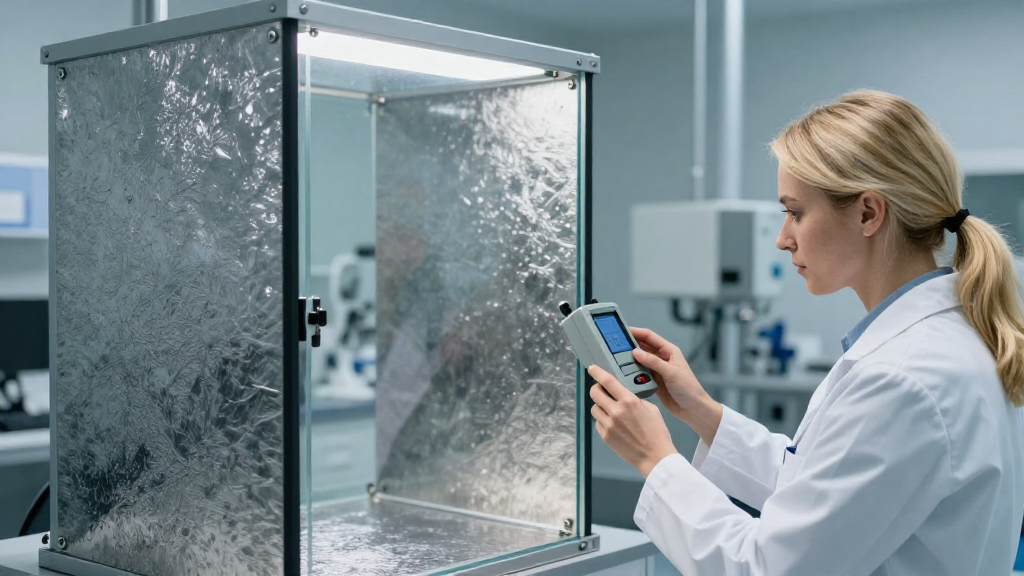
In an era of rapid technological advancement, it’s essential to stay informed about safety measures against potential hazards. One of these hazards is beam radiation, which can pose significant health risks if not properly managed. This article explores effective methods of beam radiation shielding to help protect individuals and environments from harmful exposure.
What is Beam Radiation?
Beam radiation refers to high-energy particles or waves, such as X-rays, gamma rays, or particle beams, that can penetrate materials and tissues.
This type of radiation is often used in medical treatments, industrial applications, and scientific research.
While it has beneficial applications, prolonged exposure can lead to severe health issues, including cancer.
Understanding how to shield against this form of radiation is crucial for safety in these environments.
What Are the Main Types of Beam Radiation Shielding?
Beam radiation shielding techniques vary based on the type of radiation involved and the intended application.
Here are the most common types:
-
Material Shielding
– Lead: Highly effective against X-rays and gamma rays due to its density.
– Concrete: Useful for building structures that require radiation protection.
– Steel: Often used in industrial settings for its durability and effectiveness.
– Polyethylene: Effective against neutron radiation. -
Distance Increase
– Increasing the distance from the radiation source can significantly reduce exposure levels.
– One can use remote handling tools to operate equipment emitting beam radiation from a safe distance. -
Time Limitation
– Limiting the time spent near radiation sources minimizes exposure.
– Implementing strict work schedules for personnel working near radiation can effectively reduce risk.
How Can You Implement Beam Radiation Shielding?
Implementing beam radiation shielding requires careful planning and execution.
Here are step-by-step guidelines:
-
Assessment of Radiation Source
– Identify the type of radiation and its energy levels.
– Understand the potential exposure risks in the specific environment. -
Choosing Appropriate Shielding Material
– Select materials based on the radiation type as discussed earlier.
– Ensure the thickness of the material is adequate to absorb or deflect the harmful rays. -
Designing the Shielding Structure
– Create a layout for the shielding structure, ensuring it can effectively protect adjacent spaces.
– Consider how to integrate shield materials with existing structures or equipment. -
Installation
– Hire experts in radiation safety for optimal application of shielding materials.
– Ensure the structure complies with local regulations and safety standards. -
Regular Maintenance and Inspection
– Conduct regular checks on the effectiveness of shielding.
– Replace or upgrade materials as necessary to maintain safety standards.
Why is Proper Beam Radiation Shielding Important?
Proper beam radiation shielding serves multiple crucial purposes:
- Health Protection: The primary goal is to prevent acute and chronic health problems associated with radiation exposure.
- Compliance: Many regions have strict regulations governing radiation safety, necessitating effective shielding measures.
- Operational Safety: Shielding can enhance workplace safety, allowing employees to focus on their tasks without the constant worry of harmful exposure.
- Radiation Control: It helps to maintain a controlled environment where the use of beam radiation is mitigated effectively.
What Are Common Myths About Beam Radiation Shielding?
Deciphering myths from facts is essential when discussing beam radiation shielding. Below are some common misconceptions:
-
Myth: Only Lead is Effective for Shielding
– Fact: While lead is highly effective, other materials can also provide adequate shielding, depending on the radiation type. -
Myth: Distance Doesn’t Matter
– Fact: Increasing distance from the source is one of the simplest ways to reduce exposure. -
Myth: Shielding is Too Expensive
– Fact: While initial investments can be high, the long-term health benefits greatly outweigh these costs. -
Myth: Once Shielding is Installed, No Further Action is Needed
– Fact: Regular inspections are crucial to maintain shielding effectiveness.
Where is Beam Radiation Shielding Most Commonly Used?
Beam radiation shielding plays a critical role in various sectors, including:
- Medical Facilities
-
Radiology departments utilize various forms of shielding to protect patients and staff during imaging procedures.
-
Industrial Settings
-
Industries that use X-ray or gamma-ray equipment require shielding to safeguard workers.
-
Research Laboratories
-
Scientific studies involving radiation require extensive shielding solutions to protect researchers.
-
Nuclear Power Plants
- These facilities incorporate robust shielding to manage the radiation risks associated with nuclear energy production.
Who Should You Consult for Beam Radiation Shielding?
To effectively implement beam radiation shielding, it is advisable to consult with professionals who specialize in radiation safety.
These may include:
- Health Physicists: Experts in radiation protection who can assess risks and recommend effective shielding strategies.
- Radiation Safety Officers: Professionals responsible for ensuring compliance with safety regulations.
- Engineers: Specialists who can design and build shielding structures appropriate for your specific needs.
Conclusion
Understanding and implementing effective beam radiation shielding is vital to ensure safety in environments where beam radiation is present.
By knowing the different types of shielding materials, how to implement them, common myths, and where they are used, you can make informed decisions that safeguard health and well-being.
Whether in medical, industrial, or research settings, prioritizing radiation protection will lead to safer working conditions and improved long-term health outcomes.
Remember, the key is to assess, apply, and regularly maintain your shielding solutions for maximum effectiveness.