The best voice recorder depends on more than storage capacity. Microphone compatibility, recording quality, battery life, file transfer, and transcription features all affect how useful a device will be in real-world situations.
This roundup compares 10 options for lectures, meetings, interviews, music, filmmaking, and everyday note-taking, with special attention to models that support external microphones or offer practical alternatives.
Best 10 Voice Recorders with External Microphone Input Picks for 2026
Best Overall

- Two XLR/TRS inputs for external mics and instruments
- 32-bit float audio helps avoid clipped takes
- Four-track recording with USB-C connectivity
Best For: Musicians, podcasters, filmmakers, and field recording
Best for AI Note-Taking

- Transcribes in 113 languages with smart summaries
- 128GB storage and up to 33 hours of recording
- OTG transfer supports wired phone processing
Best For: Students, professionals, meetings, and lectures
Best Compact XLR Option

- Two locking XLR/TRS inputs
- 32-bit/96kHz recording for detailed audio
- 3.5mm stereo input and headphone output
Best For: Mobile filmmakers, musicians, podcasters, and interviews
Best for Meetings and Calls
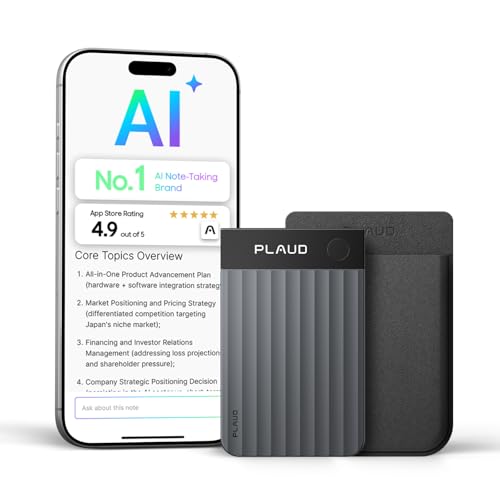
- AI beamforming with four MEMS microphones
- Transcribes in 112 languages with speaker labels
- Slim design supports calls, meetings, and online sessions
Best For: Professionals needing automated meeting notes and summaries
High-Capacity Pick
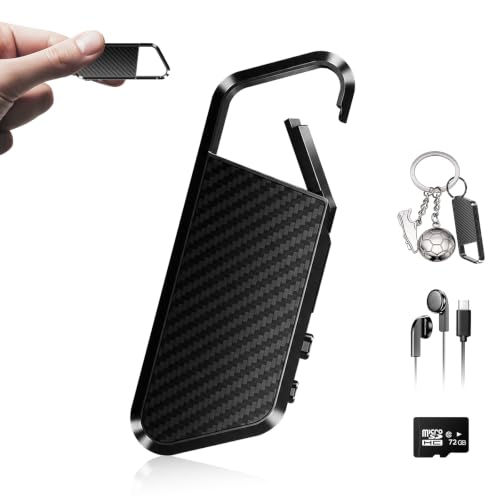
- 72GB storage and up to 10,860 hours listed capacity
- DSP 6.0 noise reduction and voice activation
- OTG transfer to compatible phones and tablets
Best For: Long lectures, meetings, and users needing extensive storage
Magnetic Compact Pick
64GB AI Noise-Reduction Recorder

- AI triple noise reduction with DSP processing
- Voice activation and up to 75 hours of continuous recording
- Magnetic body with USB-C and OTG file transfer
Best For: Portable lectures, interviews, and quick voice capture
Best Simple Operation

- Dedicated REC, STOP, PLAY, and A-B controls
- Voice activation helps save storage and power
- Up to 30 hours of continuous recording
Best For: Students and beginners recording lectures or meetings
Best Compact Bundle
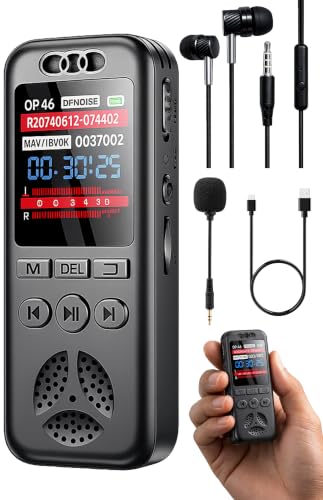
- Includes external microphone and 32GB TF card
- 1536Kbps recording for detailed voice capture
- Up to 50 hours in voice-activated mode
Best For: Portable lectures, meetings, interviews, and daily notes
Best Overall – Zoom H4 Essential
The Zoom H4 Essential is a versatile choice among voice recorders with external microphone input. Its two XLR/TRS inputs support external microphones, instruments, mixers, and soundboards, while 32-bit float recording helps protect against distorted takes.
Best For: Musicians, podcasters, filmmakers, and field-recording users who need flexible inputs and multitrack recording.
Pros:
- Two XLR/TRS inputs accept microphones, instruments, mixers, and soundboards.
- 32-bit float recording helps provide clip-free audio.
- Supports four-track recording and USB-C recording or streaming.
- Includes spoken menu guidance for easier navigation.
Cons:
- Requires two AA batteries.
- Its feature set may be more than needed for simple note-taking.
With built-in stereo microphones plus external-input flexibility, the H4 Essential is a strong all-purpose recorder for creative projects that may grow beyond basic voice capture.
Best for AI Note-Taking – EVISTR L359
The EVISTR L359 combines portable voice recording with AI transcription and summaries. It is not designed around an external microphone input, but it offers built-in microphone recording, noise reduction, voice activation, and wired OTG transfer for processing recordings on a phone.
Best For: Students, professionals, and meeting users who prioritize transcription, summaries, and long onboard storage.
Pros:
- AI transcription supports 113 languages with summaries, mind maps, and speaker identification.
- 128GB storage can hold up to 9,216 hours at 32kbps.
- Voice-activated recording can skip extended periods of silence.
- Password encryption and a HOLD switch help protect recordings from accidental changes.
Cons:
- Uses a built-in microphone rather than a listed external microphone input.
- AI processing relies on the AI DVR Link app and wired OTG connection.
Choose the L359 when automatic organization matters more than connecting professional microphones. Its compact design, long recording capacity, and AI workflow suit everyday lectures, meetings, and interviews.
Best Compact XLR Option – Zoom H1 XLR
The Zoom H1 XLR is a focused option for buyers seeking voice recorders with external microphone input in a compact format. Its two locking XLR/TRS inputs support microphones and instruments, while the 3.5mm stereo input adds another connection option.
Best For: Filmmakers, musicians, podcasters, and interviewers who need two-channel external-input recording without a larger multitrack recorder.
Pros:
- Two locking XLR/TRS inputs accommodate microphones and instruments.
- Records at up to 32-bit/96kHz for detailed audio.
- 3.5mm stereo input and headphone output add monitoring flexibility.
- Supports SDXC cards up to 1TB.
Cons:
- Requires two AA batteries.
- Its 0.96-inch display is relatively small for monitoring.
The H1 XLR makes a practical pick when external microphone connectivity is the priority. It offers a straightforward two-channel setup, waveform display, and high-resolution recording for mobile production.
Best for Meetings and Calls – Plaud Note Pro
The Plaud Note Pro is a slim AI voice recorder for calls, in-person conversations, and online meetings. It does not list an external microphone input, so it is better suited to users who want automatic capture, transcription, and summaries from its built-in microphone system.
Best For: Professionals who want portable meeting notes, speaker labels, action items, and call recording in a credit-card-sized device.
Pros:
- Four MEMS microphones and a VPU use AI beamforming to capture voices across a room.
- Supports transcription in 112 languages with speaker labels and structured summaries.
- Smart dual-mode recording switches between phone calls and in-person conversations.
- Includes a magnetic case, magnetic ring, and charging cable.
Cons:
- Does not list an external microphone input.
- No headphone jack is included.
- Advanced transcription usage may require a Pro or Unlimited upgrade beyond the free 300-minute plan.
The Note Pro is a specialized alternative to conventional voice recorders with external microphone input. Its strengths are discreet portability, cross-device access, and turning conversations into organized work rather than connecting external audio gear.
High-Capacity Pick – 72GB DSP Voice Recorder
If you need voice recorders with external microphone input for lectures, interviews, or meetings, verify the input type before buying: this model lists a built-in microphone rather than an external microphone input. It focuses instead on large storage, playback, DSP 6.0 noise reduction, and convenient OTG transfers.
Best For: Users who prioritize extensive storage, portable recording, voice activation, and transferring files directly to a smartphone or tablet.
Pros:
- 72GB of built-in storage with up to 10,860 hours of listed recording capacity.
- DSP 6.0 noise reduction is designed to improve vocal clarity in busy environments.
- OTG support enables direct file transfer to compatible smartphones and tablets.
- Voice activation, playback, and a compact six-inch-long design support on-the-go use.
Cons:
- The supplied specifications identify a built-in mono microphone, not an external microphone input.
- Recordings default to WAV; MP3 files require conversion on a computer.
- The listed headphone connection is mini-USB rather than a standard 3.5mm jack.
This is a storage-focused recorder for buyers who want long-term capacity and straightforward mobile file transfer. However, shoppers specifically seeking an external microphone input should confirm compatibility before choosing it.
Magnetic Compact Pick – 64GB AI Noise-Reduction Recorder
For shoppers comparing voice recorders with external microphone input, this compact model should be checked carefully because its listed microphone is built in. It adds AI-driven noise reduction, voice activation, a magnetic design, and USB-C/OTG connectivity for convenient everyday recording.
Best For: Students, journalists, and professionals who want a small magnetic recorder with automatic recording and easy file management.
Pros:
- AI-driven triple noise reduction and DSP processing are designed to focus on vocals.
- 64GB storage supports up to 6,000 hours of audio at 32kbps and up to 75 hours of continuous recording.
- Voice activation starts recording when sound is detected, while low-battery auto-save helps protect files.
- Built-in magnet, USB-C, OTG support, and included adapters suit portable use.
Cons:
- The supplied details specify a built-in mono microphone rather than an external microphone input.
- The listed 6,000-hour capacity depends on the 32kbps setting, so higher-quality recording may use more storage.
- Its USB-C headphone connection may be less convenient than a standard audio jack.
The magnetic body and simple on-switch operation make this a practical grab-and-record option. It is a strong fit for discreet portability, but it does not clearly meet the external-microphone-input requirement from the supplied specifications.
Organized Recording Pick – 72GB USB-C Voice Recorder
When evaluating voice recorders with external microphone input, note that this model is listed with a built-in 360-degree omnidirectional microphone rather than an external input. Its practical strengths are one-touch operation, voice activation, timestamped files, DSP noise reduction, and built-in USB-C file transfer.
Best For: Buyers who want easy-to-organize recordings for meetings, classes, lectures, interviews, and daily notes.
Pros:
- 72GB storage provides up to 7,600 hours of listed capacity at low bitrate settings.
- One-touch recording and voice activation simplify operation and reduce silent sections.
- A 360-degree microphone and DSP noise reduction support conversations and group settings.
- Timestamped filenames, adjustable 10-to-240-minute segments, and USB-C transfer help with file organization.
Cons:
- The supplied specifications list a built-in microphone, not an external microphone input.
- The stated 7,600-hour capacity applies to low bitrate settings, which may not match every recording need.
- Continuous recording is listed at up to 35 hours, less than the storage capacity might suggest for extended use.
This model stands out for workflow features rather than external microphone support. Timestamped files, segment saving, and direct USB-C connectivity make it a useful choice for buyers who expect to manage many recordings.
Best with Extra Features – 128GB AI Voice Recorder
If you need voice recorders with external microphone input and plenty of storage, this model stands out with a bundled clip-on microphone, 128GB of built-in space, and voice-activated recording. Its one-switch startup and USB-C connectivity make it practical for lectures, interviews, meetings, and routine file transfers.
Best For: Users who want maximum storage, long recording sessions, and a simple recorder with included accessories.
Pros:
- 128GB storage can hold up to 9,800 hours of audio at 32kbps.
- Supports up to 70 hours of continuous recording and up to 100 hours of voice-activated recording.
- Includes a clip-on microphone, headphones, USB-C cable, and OTG adapters.
- AI-assisted triple noise reduction and a voice-activation mode support clearer, more efficient recording.
Cons:
- The supplied specifications list the built-in microphone form factor, so external-mic compatibility details are limited.
- The stated 9,800-hour capacity applies to recordings made at 32kbps, not necessarily higher-quality settings.
This is the most storage-focused option in the group. It is a strong fit for buyers who prioritize recording endurance and bundled connectivity accessories over a compact, minimalist design.
Best Simple Operation – 16GB USB Voice Recorder
For shoppers comparing voice recorders with external microphone input, this compact 16GB model offers straightforward controls and a bundled-in recording setup. Dedicated REC, STOP, PLAY, and A-B repeat controls make it easy to capture and review lectures, meetings, and interviews without navigating complicated menus.
Best For: Students and first-time users who want a simple, lightweight recorder with voice activation.
Pros:
- One-button recording and dedicated playback controls are easy to operate.
- DSP noise reduction and a sensitive microphone are designed to help capture clearer voices.
- Voice-activated recording can reduce pauses, save storage, and limit power use.
- Offers up to 30 hours of continuous recording and doubles as a removable USB storage device.
Cons:
- Its 16GB capacity is smaller than the other listed options.
- The supplied notes specify a built-in microphone but do not confirm an external microphone input.
- Playback is listed at up to 7 hours, shorter than its continuous recording time.
This recorder prioritizes ease of use over maximum capacity. Choose it when simple physical controls, voice activation, and a light 35-gram design matter more than expanded storage or clearly documented external-input support.
Best Compact Bundle – 32GB Voice-Activated Recorder
This compact option is a practical choice among voice recorders with external microphone input because it includes an external microphone, earphones, and a pre-installed 32GB TF card. Its one-click operation, 1536Kbps recording, and voice-activation mode suit everyday lectures, meetings, interviews, and personal notes.
Best For: Portable everyday recording where an included external microphone and simple controls are priorities.
Pros:
- Includes an external microphone, 3.5mm earphones, USB-C cable, and 32GB TF card.
- Records at up to 1536Kbps for more detailed voice capture.
- Voice activation can record for up to 50 hours and pause during silent periods.
- Lightweight 1.28-ounce design and one-click recording make it easy to carry and use.
Cons:
- Continuous recording is rated at up to 20 hours, less than its voice-activated runtime.
- The supplied specifications list a built-in microphone form factor, so the external microphone’s connection details are not fully described.
With its small size and useful accessory bundle, this model offers a balanced setup for mobile recording. It is especially appealing when you want an included external microphone without stepping up to the largest storage capacity.
How We Picked the Best Voice Recorders with External Microphone Input
We evaluated these recorders by looking at the features that matter most after purchase: microphone connectivity, recording formats, storage, battery performance, controls, portability, playback, and file-transfer options. We also considered whether a recorder is suited to professional audio work or simpler voice-note tasks.
Models with dedicated microphone inputs generally offer more control over placement and sound quality. Some compact dictation recorders focus instead on built-in microphones, voice activation, magnetic mounting, or AI transcription. Those can still be useful, but they should not be confused with true external-microphone support.
Quick Comparison
| Best For | What to Prioritize | Most Suitable Type |
|---|---|---|
| Music and filmmaking | XLR or high-quality mic input, manual gain, WAV recording | Handheld field recorder |
| Interviews and podcasts | External microphone support, monitoring, reliable battery | Multi-input recorder |
| Meetings and lectures | Long battery life, voice activation, large storage | Digital dictation recorder |
| Fast notes and summaries | Transcription software, app support, simple controls | AI voice recorder |
| Discreet everyday use | Small size, playback, USB-C charging | Compact recorder |
Key Buying Factors for Voice Recorders with External Microphone Input
Input Type and Microphone Compatibility
Check whether the recorder uses a 3.5mm microphone jack, XLR inputs, or another connector. XLR models are better suited to professional microphones and often provide stronger control, while 3.5mm inputs are convenient for lavalier and consumer microphones. Confirm whether plug-in power or phantom power is required.
Recording Quality and Controls
For speech, clear mono recording may be sufficient. Music, film, and detailed interviews benefit from WAV support, adjustable gain, low-noise preamps, headphone monitoring, and protection against clipping. Automatic gain is convenient, but manual control is valuable in unpredictable environments.
Storage, Battery, and File Transfer
Large internal storage helps with long sessions, but advertised recording-hour figures vary by format and quality setting. Look for rechargeable batteries, USB-C charging, removable memory when available, and straightforward transfer to a computer or phone.
Transcription and Privacy
AI transcription can save time, but check whether processing requires an account, subscription, internet access, or cloud uploads. For confidential interviews, legal discussions, or sensitive meetings, local file storage and offline workflows may be preferable.
Who Should Buy Which Voice Recorders with External Microphone Input?
Choose a handheld recorder with XLR or dedicated microphone inputs if you record music, podcasts, film audio, or professional interviews. Pick a compact dictation recorder if you mainly capture lectures, meetings, reminders, or personal notes and value long battery life and simple playback.
An AI-focused model is the better fit for users who want searchable transcripts and summaries more than traditional audio controls. For frequent travel, prioritize a small body, USB-C charging, durable controls, and a microphone setup that matches the environments you record in most often.