In a shared office, a laptop can be vulnerable whenever it is left unattended at a hot desk, meeting table, or open workstation. The right locking cable adds a practical layer of physical security without requiring employees to pack away equipment after every break.
This roundup compares 10 laptop locking cables for shared offices, covering standard T-bar locks, Nano-compatible designs, combination models, keyed kits, and adhesive-anchor systems. Use the buying guide below to match the lock type, cable length, and installation method to your workplace setup.
Best 10 Laptop Locking Cables for Shared Offices Picks for 2026
Best Combination Lock
Kensington T-Bar Standard Cable Lock

- Resettable four-digit code with 10,000 combinations
- Six-foot cut-resistant carbon steel cable
- Push-button design for quick attachment
Best For: Shared offices that prefer combination access
Best for Desktops
Kensington Desktop & Peripherals Locking Kit
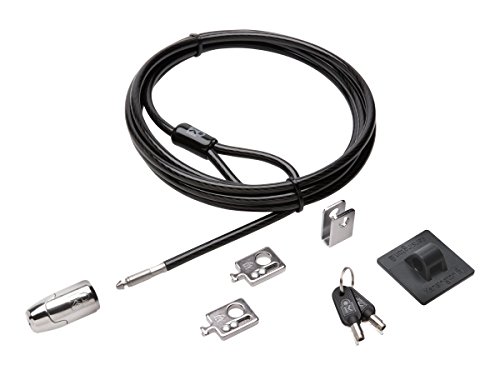
- Eight-foot cut-resistant carbon steel cable
- Includes adapters and a peripheral cable trap
- Anchor plate supports devices without a security slot
Best For: Shared desktop workstations and accessories
Best Flexible Kit
Laptop and Tablet Security Cable Lock

- Works with standard slots or adhesive anchor plates
- Includes two keys and a 6.6-foot steel cable
- Covers laptops, tablets, phones, POS devices, and monitors
Best For: Mixed-device shared spaces and commercial workstations
Best Keyed Laptop Lock
Kensington T-Bar Standard Keyed Lock
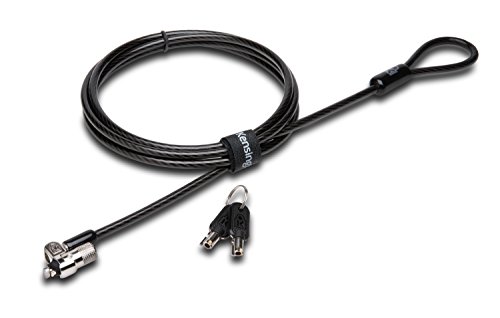
- Six-foot carbon steel cable with protective sheath
- Compact pivoting lock head suits thinner devices
- Hidden Pin Technology supports the tubular lock
Best For: Shared offices using controlled key access
Best Nano-Slot Pick
Kensington 4-Digit Laptop Lock

- Slim head supports compatible Nano-sized laptop slots
- Resettable four-wheel combination with 10,000 codes
- 5-foot carbon-steel cable with rotating hardware
Best For: Thin laptops with Nano security slots in shared offices
Best Flexible Fit
Adhesive-Plate Combination Cable Lock

- Supports devices with or without built-in lock holes
- 6.23-foot, 5mm braided cable offers flexible reach
- Resettable four-digit code eliminates lost-key concerns
Best For: Mixed office devices needing direct or adhesive-plate attachment
Best Keyed Retractable Option
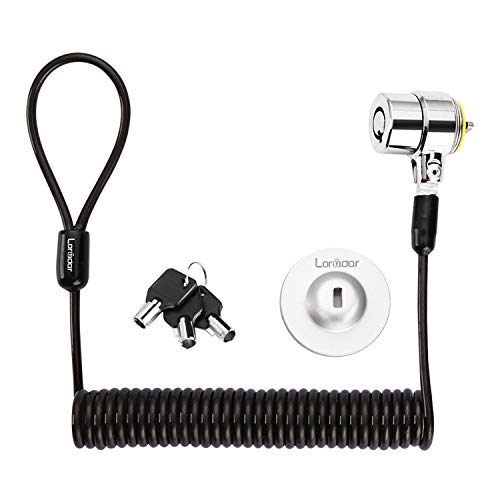
- Retractable cable extends to 6.2 feet and stores compactly
- Includes three keys with a traceable key number
- Works directly with compatible 3-by-7mm security holes
Best For: Keyed protection for compatible office laptops and monitors
Most Versatile
Kensington Universal 3-in-1 Combination Laptop Lock

- Fits standard, nano, and wedge-shaped slots
- Resettable four-number dial
- Six-foot carbon steel cable
Best For: Mixed-device offices needing flexible slot compatibility
Best Keyed Option
Standard T-Shaped Laptop Lock with Two Keys

- Designed for 7mm x 3mm standard slots
- Includes two keys
- 1.7-meter cut-resistant steel cable
Best For: Standard-slot offices preferring keyed access
Best for Mixed Devices
AboveTEK Laptop and Tablet Locking Kit

- Includes two adhesive anchor sets
- Six-foot galvanized steel cable
- Supports laptops, tablets, phones, and monitors
Best For: Shared spaces securing several types of mobile devices
Best Combination Lock – Kensington T-Bar Standard Cable Lock
For shared offices that need laptop locking cables without managing keys, this Kensington combination lock offers a resettable four-digit code and a six-foot carbon steel cable. Its push-button design makes routine securing quick, while the standard Kensington slot fits many laptops and other electronics.
Best For: Teams securing compatible laptops and shared electronics with a code instead of keys.
Pros:
- Resettable four-wheel combination with 10,000 possible codes
- Push-button engagement supports one-handed attachment
- Six-foot cut-resistant carbon steel cable anchors to desks, tables, or fixed structures
- Works with devices featuring a standard Kensington security slot
Cons:
- Not compatible with Dell and Alienware devices using Noble or wedge-style slots
- Requires a compatible security slot on the device
This is a practical choice for hot desks, meeting rooms, and other shared-office areas where multiple users need convenient, key-free protection. Confirm the laptop’s lock-slot type before purchasing.
Best for Desktops – Kensington Desktop & Peripherals Locking Kit
For shared offices securing more than laptops, this Kensington desktop locking kit combines an eight-foot carbon steel cable with a strong lock head, peripheral cable trap, and adapters. It is designed to help protect desktop PCs and accessories, including devices without a built-in Kensington slot.
Best For: Shared workstations with desktop computers, peripherals, and equipment that may need an anchor plate or adapters.
Pros:
- Eight-foot cut-resistant carbon steel cable provides flexible reach
- Includes two adapters and a cable trap for securing peripheral accessories
- Anchor plate helps secure devices without a Kensington Security Slot
- Patented Hidden Pin Technology supports the keyed anti-pick lock design
Cons:
- Keyed lock requires managing and distributing keys
- More oriented toward desktop setups than lightweight portable use
Choose this kit when a shared office needs a broader workstation-security setup rather than a single laptop cable. The longer cable and included accessories can simplify securing a desktop and its connected equipment together.
Best Flexible Kit – Laptop and Tablet Security Cable Lock
This versatile option expands laptop locking cables for shared offices to tablets, phones, POS devices, monitors, and other equipment. It includes two keys, a 6.6-foot steel cable, and two adhesive anchor plates for devices that lack a standard security slot.
Best For: Coworking spaces, classrooms, retail counters, and offices securing a mix of slot-equipped and non-slot devices.
Pros:
- Supports standard 3 x 7 mm security slots and adhesive anchor plates
- Includes two self-adhesive plates for tablets, phones, POS terminals, and displays
- Six-foot-six-inch, 5 mm steel cable reaches desks, counters, shelves, and monitor arms
- Includes two keys for straightforward shared-use access
Cons:
- Adhesive plates require clean, smooth surfaces and curing time before use
- Keyed access requires keeping track of the included keys
Its main advantage is coverage across different device types. Allow the adhesive plates to bond as directed—up to 72 hours for full strength—before relying on them in a busy shared environment.
Best Keyed Laptop Lock – Kensington T-Bar Standard Keyed Lock
For offices that prefer a traditional key, this Kensington T-Bar lock pairs a six-foot carbon steel cable with a compact pivoting lock head. It fits devices with a standard Kensington security slot and is designed for laptops, desktops, monitors, docking stations, projectors, and other compatible electronics.
Best For: Shared offices wanting a keyed lock with a smaller lock head and flexible positioning.
Pros:
- Six-foot carbon steel cable with a plastic sheath resists cutting attempts
- Pivoting 10 mm lock head supports thinner laptops and easier access
- Hidden Pin Technology supports the anti-pick tubular lock
- Hinged design helps reduce awkward locking and unlocking angles
Cons:
- Does not fit Dell devices using the newer wedge lock slot
- Some HP devices use a Nano Saver slot and may require a different lock
- Keys must be stored and shared among authorized users
This is a solid fit for assigned desks and shared workstations where administrators can control keys. Check each device’s technical specifications, especially for Dell wedge slots and HP Nano Saver slots, before ordering.
Best Nano-Slot Pick – Kensington 4-Digit Laptop Lock
For shared offices with thin laptops, this Kensington combination lock is a focused option among laptop locking cables for shared offices. Its slim head is designed for Nano-sized security slots, while the 5-foot carbon-steel cable provides practical reach for desks, tables, and other fixed points.
Best For: Thin laptops with compatible Nano security slots, especially in offices, cafés, and other shared indoor spaces.
Pros:
- Resettable four-wheel combination offers 10,000 possible codes without requiring a key.
- Five-foot carbon-steel cable balances portability with useful anchoring length.
- Pivoting lock head and rotating cable help preserve port access and device stability.
- Anti-shearing plastic sleeve helps protect the anchored surface.
Cons:
- Designed for Nano-sized slots, so slot compatibility should be confirmed before purchase.
- Its five-foot length may provide less reach than longer alternatives.
This is a straightforward choice when your office laptops have compatible Nano slots and you prefer a resettable combination over carrying keys. Verify the lock-slot dimensions before ordering.
Best Flexible Fit – Adhesive-Plate Combination Cable Lock
This laptop lock is useful for shared offices that have a mix of devices, including laptops without built-in security holes. It includes an adhesive lock-slot plate for compatible hard surfaces, plus a 6.23-foot braided cable and keyless four-digit combination.
Best For: Mixed office equipment where some devices have security slots and others need an adhesive anchor plate.
Pros:
- Works with devices that have built-in lock holes or the included adhesive lock-slot plate.
- Four-digit resettable combination avoids the need to manage a key.
- Long 6.23-foot, 5mm braided cable allows flexible positioning around fixed objects.
- One-hand push-button operation and a 360-degree rotating design support convenient use.
Cons:
- Adhesive plate installation is required for devices without security lock holes.
- Compatibility depends on the device having a suitable hard surface for the plate.
Its included plate makes this a versatile pick for shared workspaces with varied hardware. For a dependable setup, follow the plate-installation instructions and confirm the device surface is suitable.
Best Keyed Retractable Option – Portable 6.2-Foot Cable Lock
For teams that prefer keyed access, this retractable cable lock provides a compact option among laptop locking cables for shared offices. It is designed for compatible 3-by-7mm security holes and includes an adhesive anchor plate for devices that need one.
Best For: Offices securing compatible laptops, monitors, tablets, and other electronics with a keyed lock system.
Pros:
- Includes three keys, with a traceable number on the lock body and key.
- Self-rolling cable extends up to 6.2 feet and retracts to about four inches for storage.
- Rotating lock head and cut-resistant twisted-steel cable support practical everyday use.
- Adhesive anchor plate expands use to some devices without compatible lock holes.
Cons:
- Direct fit is limited to compatible 3-by-7mm security keyholes.
- Some newer Dell, Apple, and other listed models require the anchor plate or may not be compatible.
- Keyed operation means keys must be managed by the office or user.
The retractable design is convenient for hot desks and shared work areas where storage space matters. Check the detailed compatibility notes carefully, particularly for newer laptops and Apple MacBooks.
Most Versatile – Kensington Universal 3-in-1 Combination Laptop Lock
For shared offices with a mix of laptop brands and generations, the Kensington Universal 3-in-1 is a flexible choice among laptop locking cables for shared offices. Its interchangeable lock tips support standard, nano, and wedge-shaped security slots, while the resettable combination avoids the need to manage keys.
Best For: Shared offices with varied laptop security slots and teams that prefer combination access.
Pros:
- One lock supports standard, nano, and wedge-shaped laptop security slots.
- Resettable four-number dial provides 10,000 possible combinations.
- Six-foot carbon steel cable offers cut and theft resistance.
- Register & Retrieve can help recover a forgotten combination.
Cons:
- Combination locks may be less convenient for users who prefer keys.
- The interchangeable design may be more capability than needed for offices using one slot type.
This is the strongest all-around option when compatibility and simplified credential management matter. Its broad slot support can reduce the need to stock different locks across a shared workspace.
Best Keyed Option – Standard T-Shaped Laptop Lock with Two Keys
This keyed model is a straightforward choice for laptop locking cables for shared offices that use the standard 7mm x 3mm security slot. Its 1.7-meter steel cable loops around a fixed point, and two included keys make it suitable for teams that prefer physical key access.
Best For: Offices with standard T-shaped laptop slots and users who want a simple keyed lock.
Pros:
- Includes two keys for keyed access.
- 1.7-meter cable provides flexibility for desk and table attachment.
- Cut-resistant steel cable is designed to tether equipment to a fixed structure.
- Pivoting lock head helps minimize stress on the laptop body.
Cons:
- Compatibility is specified for standard 7mm x 3mm lock slots.
- Key management is required for shared-office use.
Choose this lock when your office standardizes on the supported T-shaped slot and wants uncomplicated key operation. The pivoting head and flexible cable add practical convenience around shared desks.
Best for Mixed Devices – AboveTEK Laptop and Tablet Locking Kit
The AboveTEK kit stands out among laptop locking cables for shared offices that also secure tablets and smartphones. It includes two adhesive anchor plates with industrial-grade 3M adhesive, allowing one kit to support multiple flat-surface devices in offices, retail areas, libraries, and other public-facing spaces.
Best For: Shared workspaces, counters, and displays securing laptops alongside tablets or phones.
Pros:
- Includes two adhesive sticker and anchor plate sets for multiple devices.
- Six-foot cut-resistant galvanized steel cable supports movement while secured.
- Works with laptops, tablets, smartphones, notebooks, and monitors.
- Key-operated design is designed for installation in seconds.
Cons:
- Adhesive anchors are intended for flat surfaces and may not suit every setup.
- Unlike the first product, this is not described as supporting multiple built-in laptop slot shapes.
This is the most flexible choice for offices managing more than laptops. The included adhesive anchors broaden placement options, especially where devices lack a suitable built-in security slot or need to be secured on a display surface.
How We Picked the Best Laptop Locking Cables for Shared Offices
We focused on the features that matter in real workplace environments: compatibility with common laptop security slots, cable construction, locking method, installation flexibility, portability, and the availability of keys or resettable combinations. We also included options for monitors, tablets, and other shared-office equipment where a broader security kit may be more useful than a laptop-only lock.
Because security-slot designs vary, compatibility is a priority. Standard T-bar locks are suitable for laptops with a conventional Kensington-style slot, while Nano-compatible and universal options can better serve mixed-device fleets. Adhesive-anchor kits are useful when a device lacks a built-in slot, but the anchor must be attached to a clean, suitable surface and allowed to bond properly.
Quick Comparison
| Lock type | Best suited to | Main advantage |
|---|---|---|
| Combination | Hot desks and shared teams | No keys to distribute or replace |
| Keyed | Managed offices and assigned users | Simple, familiar access control |
| Universal or 3-in-1 | Mixed laptop fleets | Broader slot compatibility |
| Adhesive anchor | Devices without security slots | Flexible attachment point |
| Multi-device kit | Monitors and peripherals | Helps secure more than one item |
Key Buying Factors for Laptop Locking Cables for Shared Offices
Security-Slot Compatibility
Check whether each laptop uses a standard T-bar slot, Nano-style slot, or another connector. A lock that does not fit the device cannot provide useful protection. For organizations with different laptop models, a universal design may reduce the need to stock several lock types.
Keyed Versus Combination Access
Combination locks are convenient for shared workspaces because there are no keys to issue. Keyed locks can be preferable when administrators want tighter control or when employees already use a managed key system. Consider how often users change and how lost credentials will be handled.
Cable Length and Construction
A six-foot cable generally provides enough reach for desks, legs, and fixed furniture, but measure the intended anchor point before buying. Look for steel cable construction and a locking head that resists casual tampering. A longer cable is not automatically better if it creates excess slack.
Anchoring and Daily Usability
The cable is only effective when attached to a genuinely immovable object. Confirm that desks, monitor stands, and other fixtures are sturdy enough. For hot desks, choose a compact lock that is quick to attach and easy to store when the laptop is being transported.
Who Should Buy Which Laptop Locking Cables for Shared Offices?
Choose a combination lock for teams that share desks or need quick, key-free access. Select a keyed T-bar model for assigned workstations and organizations that prefer physical key control. A Nano-compatible or universal lock is the safer choice for a mixed fleet where slot types differ. If tablets or laptops lack built-in security slots, consider an adhesive-anchor kit after verifying the manufacturer’s installation instructions. Finally, offices securing monitors, docks, and peripherals should consider a multi-device locking kit rather than relying on a laptop cable alone.