A quiet headphone amplifier can reveal more detail without adding hiss, hum, or unwanted coloration to your listening setup. The right model depends on your headphones, source connections, power needs, and whether you also want DAC, preamp, or multi-output functionality.
We compared 10 headphone amplifiers with low noise, ranging from compact budget units and four-channel splitters to fully balanced desktop amplifiers designed for demanding headphones.
Best 10 Headphone Amplifiers with Low Noise Picks for 2026
Best Balanced Power
TOPPING L70 Headphone Amplifier

- 0.3μV noise and 146dB dynamic range
- Balanced and single-ended outputs
- High-current drive with preamp features
Best For: Balanced desktop systems and demanding headphones
Best Modular Value
Schiit Magni Unity Headphone Amp

- Fully discrete current-feedback topology
- 2.5W single-ended output
- Upgradeable internal DAC slot
Best For: Simple desktop systems and future DAC upgrades
Best Compact Low-Noise Amp
TOPPING L30 II Headphone Amplifier

- 0.3μV noise and 144dB dynamic range
- Up to 2500mW at 32Ω
- Three gain settings for IEMs to over-ears
Best For: Compact systems using a separate DAC
Best All-in-One Features
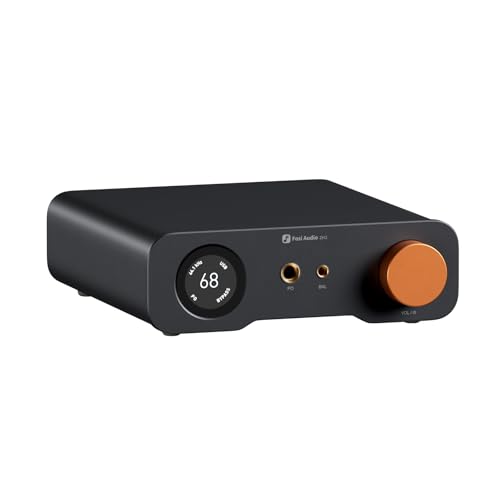
- 1.9μV low-noise balanced design
- PCM 768kHz/32-bit and DSD512 support
- Multiple inputs, outputs, EQ, and filters
Best For: Feature-rich desktop headphone and speaker systems
Compact Session Splitter

- Four independent headphone outputs
- Individual volume controls
- Compact metal enclosure
Best For: Tracking sessions and rehearsals with up to four listeners
Balanced Desktop Powerhouse

- Up to 4.4W per balanced channel
- HIMALAYA discrete R2R DAC
- 3.5mm, 4.4mm, 6.35mm, and XLR outputs
Best For: High-performance home audio and balanced headphones
Affordable Four-Listener Monitor Amp
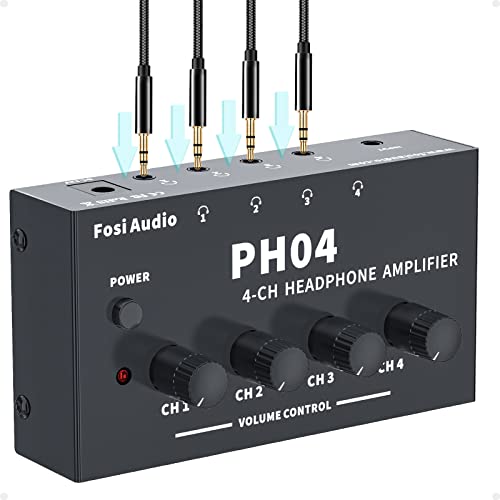
- Four independent stereo channels
- Ultra-low-noise op-amp design
- Includes 12V power adapter
Best For: Budget studio and stage monitoring for up to four listeners
Versatile Desktop Detail

- High-resolution ES9038PRO DAC and USB decoding
- Multiple digital and analog inputs
- Drives headphones from low to high impedance
Best For: Flexible desktop audio systems with varied sources
Balanced Low-Noise Powerhouse

- Fully balanced architecture with GaN power supply
- 132dB SNR and 0.00006% THD+N specification
- Three gain levels for IEMs through 600Ω headphones
Best For: Advanced balanced desktop headphone rigs
Compact Class A Value

- Small desktop amplifier with 3.5mm and 6.35mm outputs
- Class A design with up to 1300mW output
- Pluggable op-amp socket for customization
Best For: Affordable analog desktop headphone upgrades
Best Balanced Power – TOPPING L70 Headphone Amplifier
For listeners seeking headphone amplifiers with low noise, the TOPPING L70 combines 0.3μV noise, a 146dB dynamic range, and fully balanced circuitry. Its broad output selection and high-current design make it a flexible choice for demanding headphones and sensitive IEMs.
Best For: Audiophiles who need balanced connectivity, substantial drive power, and preamp functionality.
Pros:
- Ultra-low 0.3μV noise and 146dB dynamic range.
- Supports 4-pin XLR, 4.4mm, 6.35mm, and 3.5mm outputs.
- High-voltage, high-current output handles high-impedance and low-sensitivity headphones.
- Includes gain presets, relay volume control, preamp operation, and a ground-lift switch.
Cons:
- Its extensive connectivity and preamp features may be more than a basic desktop setup requires.
- Balanced and preamp system integration can require compatible cables and equipment.
The L70 is a strong fit when clean amplification and system flexibility matter equally. It is especially compelling for users building a balanced desktop or speaker-connected setup.
Best Modular Value – Schiit Magni Unity Headphone Amp
The Schiit Magni Unity is a compact, fully discrete amplifier and preamp for shoppers comparing headphone amplifiers with low noise and straightforward desktop operation. Its three gain levels, including negative gain for IEMs, cover a wide range of headphones.
Best For: Desktop listeners who want a simple single-ended amp with upgradeable DAC potential.
Pros:
- Fully discrete current-feedback design with improved performance over previous discrete Magnis.
- Up to 2.5W from the 6.35mm single-ended output.
- Three gain levels, including negative gain for sensitive IEMs.
- Modular internal slot allows a DAC upgrade later.
Cons:
- Only a 6.35mm headphone output is specified.
- 115V-only USA plug limits use in 220–240V countries.
- The supplied notes do not provide a specific measured noise figure.
Magni Unity favors practical performance and expandability over a large feature set. It is a sensible choice for a U.S.-voltage desktop setup that uses standard single-ended headphones.
Best Compact Low-Noise Amp – TOPPING L30 II Headphone Amplifier
The TOPPING L30 II is a focused desktop amplifier for listeners prioritizing headphone amplifiers with low noise. Its 0.3μV noise rating, 144dB dynamic range, and three gain settings support both sensitive IEMs and power-hungry over-ear headphones.
Best For: Users who want a compact, high-performance headphone amp for mixed headphone collections.
Pros:
- 0.3μV ultra-low noise and 0.00006% THD+N specification.
- Up to 2500mW at 32Ω and strong output for high-impedance models.
- Three gain settings from -14dB to 16.5dB.
- Can support headphone and active-speaker use with dual outputs and preamp modes.
Cons:
- It does not include a built-in DAC.
- Connectivity is less extensive than a fully balanced DAC/amp.
The L30 II is a strong minimalist option when measured performance and flexible gain are more important than numerous inputs. Pair it with a separate DAC for a clean, compact desktop chain.
Best All-in-One Features – Fosi Audio ZH3 DAC Amp
The Fosi Audio ZH3 combines a DAC, headphone amplifier, and preamp in one desktop unit for shoppers seeking headphone amplifiers with low noise and broad source compatibility. Its fully balanced design, 1.9μV noise rating, and extensive inputs make it suitable for varied listening setups.
Best For: Desktop users who want high-resolution digital conversion, balanced output, and built-in sound customization.
Pros:
- Supports PCM up to 768kHz/32-bit and DSD512.
- Offers 6.35mm single-ended and 4.4mm balanced headphone outputs.
- Provides USB, optical, coaxial, and RCA inputs plus RCA and XLR outputs.
- Includes three gain levels, EQ controls, selectable filters, and swappable op-amps.
Cons:
- EQ applies only to the headphone output.
- RCA and XLR output levels differ significantly, so output selection requires care.
- Its many features may be unnecessary for users who already own a DAC.
The ZH3 is the most versatile option here for building a complete desktop audio hub. Choose it when connectivity, digital format support, and customization matter as much as low-noise amplification.
Compact Session Splitter – Mackie HM-4
The Mackie HM-4 is a straightforward choice for anyone needing headphone amplifiers with low noise for tracking sessions, rehearsals, or shared playback. It provides four independent outputs, letting each listener adjust their own level from a compact, metal-bodied unit.
Best For: Small recording sessions and rehearsals where four listeners need individual volume control.
Pros:
- Drives up to four headphones from a 1/4-inch or 1/8-inch source output.
- Provides separate level controls for each listener.
- Compact 2.3-by-4.3-by-2-inch metal enclosure can be mounted with Velcro to a desk, rack, or stand.
- Plug-and-play operation with corded electric power.
Cons:
- Designed for distribution and monitoring rather than DAC functionality or advanced signal processing.
- Its listed connector type is a 6.35mm jack, so smaller headphone plugs may require an adapter.
The HM-4 keeps the setup simple and practical. Choose it when independent monitoring volume and a small footprint matter more than premium conversion features.
Balanced Desktop Powerhouse – HIFIMAN EF400 DAC/Amp
The HIFIMAN EF400 combines a desktop DAC and headphone amplifier for listeners seeking headphone amplifiers with low noise and high output power. Its HIMALAYA R2R DAC, fully balanced circuit, multiple gain modes, and broad headphone-output selection make it suited to a more advanced home-audio setup.
Best For: Home listeners who want powerful balanced headphone driving, integrated digital conversion, and multiple connection options.
Pros:
- Delivers up to 4.4 watts per channel through the balanced output.
- Uses the HIFIMAN HIMALAYA discrete R2R DAC with support for PCM up to 24-bit.
- Offers 3.5mm, 6.35mm, 4.4mm balanced, and 4-pin XLR headphone outputs.
- Includes four gain and filter combinations, including high/low gain and NOS/OS modes.
Cons:
- Its 9.69-by-8.98-by-2.4-inch desktop format is substantially larger than a simple headphone splitter.
- The supplied details list a 220-volt power specification, which may require careful compatibility checking.
- Its advanced feature set may be more than needed for basic multi-listener monitoring.
The EF400 is the most feature-rich option here for a dedicated desktop system. Its balanced architecture and low-noise-oriented R2R design appeal to detail-focused listeners, while the range of outputs supports varied headphones and cables.
Affordable Four-Listener Monitor Amp – Fosi Audio PH04
The Fosi Audio PH04 is a practical pick among headphone amplifiers with low noise for studios, stages, and group playback. Its four independent stereo amplifier sections provide separate volume controls, while the included 12V adapter and compact metal housing keep installation simple.
Best For: Budget-conscious recording setups that need four headphone feeds with independent level adjustment.
Pros:
- Powers up to four pairs of headphones at once with separate volume controls.
- Uses ultra-low-noise operational amplifiers according to the supplied product notes.
- Includes both 3.5mm and 6.35mm headphone connectivity, with an adapter needed for some 6.35mm headphones.
- Includes a 12V DC power adapter and a front-panel power switch.
Cons:
- Requires external power through the included 12V DC adapter.
- The supplied notes indicate that a 3.5mm-to-6.35mm adapter may be needed for certain headphones.
- It is a wired distribution amplifier without built-in digital-to-analog conversion.
The PH04 focuses on the essentials: four outputs, individual volume control, and low-noise-oriented circuitry at a compact size. It is a sensible choice when a studio needs more headphone feeds without moving to a larger monitoring system.
Versatile Desktop Detail – FiiO K5Pro ESS
The FiiO K5Pro ESS is a flexible choice for listeners seeking headphone amplifiers with low noise, especially when connecting a PC, phone, digital music player, or multiple source components. Its fine ADC volume adjustment is designed for smooth changes without unwanted noise or channel imbalance.
Best For: Desktop listeners who need broad input compatibility and enough power for both low- and high-impedance headphones.
Pros:
- ES9038PRO DAC and XUF208 USB decoding support high-resolution PCM and DSD sources.
- Coaxial, optical, RCA line-in, and USB connectivity accommodates varied setups.
- Provides up to 1.5W at 32Ω and up to 20Vpp at 300Ω.
- 6.35mm headphone output and adjustable RCA line-out add system flexibility.
Cons:
- Its 6.35mm headphone output may require an adapter for smaller headphone plugs.
- The tabletop design is better suited to a stationary desktop system than portable use.
Choose the K5Pro ESS if you want one compact desktop unit to handle varied sources and headphone loads. Its combination of fine volume control, high-resolution decoding, and multiple outputs makes it a practical all-rounder.
Balanced Low-Noise Powerhouse – S.M.S.L H400 MK2
The S.M.S.L H400 MK2 is built for listeners prioritizing headphone amplifiers with low noise and high output. Its fully balanced architecture, GaN power supply, and 132dB SNR target a clean, detailed presentation, while three gain levels help match sensitive IEMs and demanding full-size headphones.
Best For: Serious desktop headphone systems using balanced connections, sensitive IEMs, or headphones from 16Ω to 600Ω.
Pros:
- Fully balanced design and custom low-noise GaN power supply support clean, stable operation.
- Fourteen OPA1612A op-amps contribute to the stated 0.00006% THD+N and 132dB SNR specifications.
- Three selectable gain levels accommodate sensitive IEMs and high-impedance headphones.
- Functions as both a headphone amplifier and a preamplifier, with remote control and color display.
Cons:
- The 6.6-pound desktop chassis is less convenient for portable or space-constrained setups.
- Its feature set and balanced focus may be more than needed for a basic single-headphone system.
The H400 MK2 is the strongest fit here for buyers who want measured low-noise performance, substantial drive capability, and premium desktop controls. Its balanced outputs and preamp functionality make it especially suitable for a more advanced audio stack.
Compact Class A Value – Douk Audio U3
The Douk Audio U3 is a small, budget-friendly option for headphone amplifiers with low noise in a home or office desktop system. Its wide 5–20V input range, Class A output stage, and stated excellent background-noise performance are paired with both 3.5mm and 6.35mm headphone connections.
Best For: Desktop listeners who want an inexpensive, compact amplifier with strong drive for many standard and high-impedance headphones.
Pros:
- Class A transistor output stage delivers up to 1300mW of output power.
- Supports both 3.5mm and 6.35mm headphone connections with an RCA input.
- Wide 5–20V DC input range and stated excellent background-noise performance suit desktop use.
- Pluggable op-amp socket allows experimentation with compatible op-amps.
Cons:
- It is an amplifier rather than a DAC, so a separate source or DAC may be needed for digital audio.
- The compact feature set omits the multiple digital inputs and display found on larger desktop models.
- Op-amp changes require user experimentation and compatible replacement parts.
The U3 makes sense when size, cost, and headphone drive matter more than extensive connectivity. It offers a straightforward analog desktop upgrade, particularly for owners of headphones such as the HD600, HD650, DT880, or other high-impedance models listed in the notes.
How We Picked These Headphone Amplifiers with Low Noise
We selected models across several use cases and price levels, then compared their stated noise performance, output options, gain flexibility, power delivery, connectivity, and overall practicality. The list includes dedicated headphone amps, DAC/amp combinations, preamps, and compact distribution amplifiers. Specifications such as dynamic range, THD+N, balanced outputs, and amplifier topology can indicate performance, but system matching and headphone sensitivity matter just as much.
We also considered whether each amplifier is easy to integrate with a computer, DAC, stereo source, powered speakers, or multiple headphones. A feature-rich balanced amplifier is not automatically the best choice for a simple desktop setup.
Quick Comparison
| Best For | What to Look For | Likely Fit |
|---|---|---|
| Clean single-headphone listening | Low measured noise, suitable gain, quality volume control | Dedicated desktop amp |
| Balanced headphones | 4.4mm or 4-pin XLR output and balanced input support | Fully balanced amplifier |
| Computer audio | Built-in DAC, USB input, and convenient desktop controls | DAC/headphone amp combo |
| Several listeners | Multiple outputs, independent volume controls, and adequate power | Four-channel headphone amplifier |
| Small spaces or low budgets | Compact enclosure, simple inputs, and appropriate power supply | Mini headphone amplifier |
Key Buying Factors for Low-Noise Headphone Amplifiers
Noise Floor and Gain
Low noise is especially important with sensitive in-ear monitors and efficient headphones, where hiss is easier to hear. Choose the lowest practical gain setting that reaches your preferred volume. Excessive gain can make the volume control harder to adjust and may increase audible background noise.
Power and Headphone Matching
Impedance alone does not determine amplifier requirements. Planar headphones and inefficient high-impedance models may benefit from greater voltage or current capacity, while sensitive headphones need restraint rather than maximum output. Check the manufacturer’s power ratings at your headphone’s impedance, not only the headline wattage.
Connections and Balanced Output
Confirm that the amplifier accepts your source, whether USB, RCA, optical, or another connection. Balanced outputs can offer useful connectivity and power advantages, but they do not automatically improve every system. Make sure your cable and headphone wiring are genuinely compatible.
DAC, Preamp, and Controls
A built-in DAC can simplify a computer-based system, while preamp outputs are useful for powered speakers or a separate power amplifier. Consider front-panel access, input switching, gain controls, channel balance, and whether the unit remains quiet when connected to other powered equipment.
Who Should Buy Which Headphone Amplifiers with Low Noise?
Choose a compact mini amplifier if you need an inexpensive, space-saving upgrade for one straightforward source. A four-channel model makes more sense for shared listening, music lessons, podcast monitoring, or a small recording setup. Pick a DAC/amp combination for a tidy computer desk with fewer boxes and cables.
Listeners using demanding headphones should prioritize a robust desktop amplifier with multiple gain settings and sufficient measured output. Balanced-headphone owners should select a model with the correct 4.4mm or XLR connection, while users who also run powered speakers should look for preamp outputs. For the quietest result, match the amplifier’s gain and power to your headphones instead of choosing solely by the largest specification.