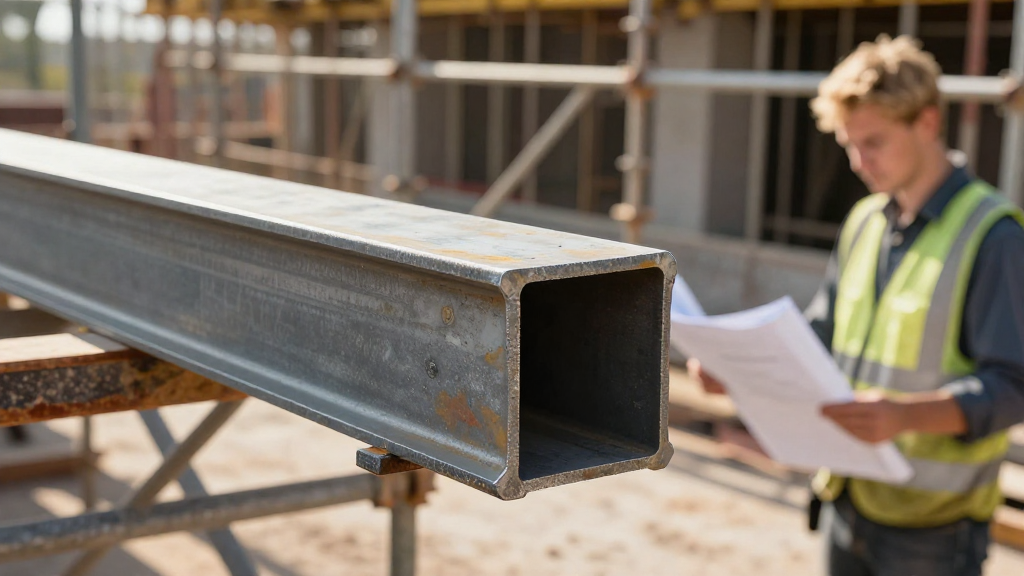
Beam buckling is a critical structural failure mode that engineers and architects must understand to ensure the integrity of their designs.
In this article, we’ll explore the concept of beam buckling, its causes, effects, and most importantly, how to prevent it in construction.
What is Beam Buckling?
Beam buckling refers to the sudden lateral deflection of a structural element, typically a beam, under compressive stress.
This phenomenon occurs when a beam is subjected to loads that exceed its critical load capacity, leading to failure.
What Causes Beam Buckling?
Several factors contribute to beam buckling, including:
-
Material Properties: The type of material used plays a crucial role in determining its susceptibility to buckling.
Stiffer materials like steel exhibit greater resistance compared to lumber. -
Beam Geometry: The length, cross-sectional shape, and moment of inertia of a beam significantly affect its buckling strength.
Longer beams and those with smaller cross-sectional areas are more prone to buckling. -
Load Application: The way loads are applied can also influence beam stability.
Concentrated loads tend to increase the risk of buckling compared to distributed loads. -
Boundary Conditions: The supports and constraints at each end of the beam affect its overall behavior.
Fixed supports typically provide greater stability than simply supported ones.
What Are the Effects of Beam Buckling?
The consequences of beam buckling can be severe:
- Structural Failure: Buckling can lead to the total collapse of the structure.
- Increased Repair Costs: Damage caused by buckling may necessitate costly repairs or replacements.
- Safety Risks: Structural instability poses significant risks to occupants and workers.
How Can You Prevent Beam Buckling?
Preventing beam buckling is essential for maintaining structural integrity.
Here are several strategies for mitigating the risk of beam buckling:
1. Select Appropriate Materials
Choose materials with higher stiffness and yield strength.
For example, using steel beams instead of wood can significantly reduce the likelihood of buckling.
Always consider the specific application and environmental conditions that might influence material selection.
2. Optimize Beam Design
Optimizing the design of a beam can greatly enhance its buckling resistance.
Consider the following design strategies:
-
Increase the Moment of Inertia: Use larger or more effective cross-section shapes, such as I-beams, to increase the moment of inertia.
-
Shorten Beam Lengths: Where possible, reducing the length of a beam will improve its buckling resistance.
-
Use Lateral Bracing: Adding lateral supports or braces can stabilize the beam and minimize lateral deflections.
3. Proper Loading Techniques
When applying loads, ensure they are distributed evenly rather than concentrated in a single area.
Utilizing techniques like:
-
Load Spreading: Using plates or beams to distribute loads across larger areas can significantly reduce localized stress.
-
Controlled Load Application: Gradually applying loads allows for the monitoring of stress levels and minimizes the risk of sudden buckling.
4. Implement Regular Inspections
Regular inspections can identify early signs of buckling or structural failure.
Key steps include:
-
Visual Checks: Look for any signs of deformation, cracks, or malformations.
-
Professional Assessments: Engage structural engineers to conduct thorough inspections and evaluations, especially for critical structures.
5. Follow Building Codes and Standards
Adhering to local building codes and industry standards ensures that structures are designed and constructed to resist beam buckling.
These regulations often specify:
- Minimum material specifications
- Design criteria
- Load factors to account for unexpected conditions
6. Use Advanced Technology
Incorporate modern technology into the design process to enhance structural integrity:
-
Finite Element Analysis (FEA): Use FEA software to simulate stress and loading conditions, helping to predict potential buckling.
-
Building Information Modeling (BIM): Utilize BIM for better visualization and planning, allowing engineers to consider how designs might withstand various loads and stressors.
What Are the Risks of Ignoring Beam Buckling?
Ignoring the potential for beam buckling can have serious ramifications:
-
Increased Liability: Engineers and architects may face legal consequences if a structure fails due to inadequate planning for buckling resistance.
-
Design Failures: Structures not designed to account for buckling may exhibit unforeseen deformations, threatening their functionality.
-
Higher Long-Term Costs: Repair and maintenance costs can dramatically increase when structural integrity is compromised.
Which Industries Are Most Affected by Beam Buckling?
Beam buckling is a concern in various industries, including:
-
Construction and Civil Engineering: Bridges and high-rise buildings are particularly susceptible to buckling due to the length and loading conditions of beams.
-
Aerospace: Aircraft wings are designed to withstand various stresses, including buckling under high-load conditions.
-
Mechanical Engineering: Many machinery components, such as shafts or frames, must be designed to prevent buckling under operational stresses.
Conclusion
Beam buckling is a significant phenomenon that can compromise structures if not adequately addressed.
Understanding its causes, effects, and prevention methods is crucial for any construction project.
By selecting the right materials, optimizing designs, ensuring proper load applications, conducting inspections, adhering to regulatory standards, and leveraging technology, engineers can effectively mitigate the risks associated with beam buckling.
Awareness and prevention are the keys to ensuring structural integrity and safety in various applications.
Don’t leave your structures to chance; take the necessary steps to prevent beam buckling today!