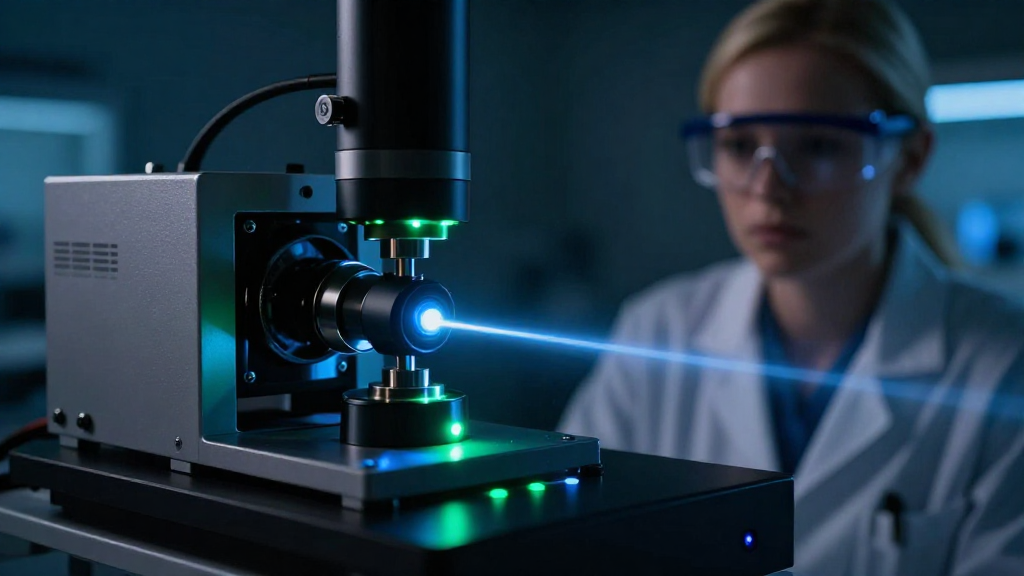
Beam collimation is a critical process in various fields, especially in medical imaging, radiotherapy, and optical engineering.
This article explores the concept of beam collimation, its significance, and how it works.
What Is Beam Collimation in Simple Terms?
Beam collimation refers to the technique of narrowing a beam of radiation or light to make it more focused.
In essence, collimation helps streamline the trajectory of a beam, reducing divergence and enhancing precision.
This process is essential in various applications, ensuring that beams are delivered accurately and effectively.
Why Is Beam Collimation Important?
1. Enhanced Precision
The primary benefit of beam collimation is improved accuracy.
In medical settings, for instance, precise beam collimation ensures that radiation is targeted only at the affected areas, minimizing damage to healthy tissues.
2. Improved Image Quality
When it comes to imaging technologies, such as CT scans and X-rays, collimation enhances image quality.
By reducing scattered radiation, collimation delivers clearer and more detailed images, which are crucial for accurate diagnosis and treatment planning.
3. Safety Measures
In the context of radiotherapy, proper beam collimation is essential for patient safety.
It allows healthcare professionals to manage radiation doses strategically, reducing unnecessary exposure.
4. Cost Efficiency
Beam collimation can also lead to cost savings in medical procedures.
By minimizing the need for repeat scans or treatments due to inaccurate targeting, healthcare providers can optimize resources effectively.
How Does Beam Collimation Work?
Collimation occurs through various methods, each designed for specific applications.
Here are some common techniques used in beam collimation:
1. Mechanical Collimation
In mechanical collimation, physical devices like collimators are used to shape and direct the beam.
Collimators can be adjustable, allowing for changes in beam size and shape according to specific needs.
This method is widely used in radiology and radiation therapy.
2. Optical Collimation
In optical applications, beam collimation often involves lenses or mirrors.
These elements work to focus light waves into a parallel beam.
Optical collimation is crucial in laser systems and telescopes, where precise light direction is necessary.
3. Digital Collimation
With advancements in technology, digital collimation has emerged as a method to manipulate beam shapes and sizes programmatically.
Using algorithms, medical imaging devices can digitally control beam collimation to optimize results dynamically.
What Are the Applications of Beam Collimation?
Beam collimation finds its applications across several domains:
1. Medical Imaging
In medical imaging, beam collimation plays a crucial role in:
- X-ray Imaging: Reducing scatter to improve image clarity.
- CT Scanning: Focusing the beam allows for slice images with minimal noise.
- Nuclear Medicine: Collimators identify specific regions of interest within the body, effectively reducing noise from other areas.
2. Radiation Therapy
In radiation therapy, effective beam collimation ensures that:
- Tumors are Targeted Accurately: Limits radiation exposure to surrounding tissues.
- Different Shaped Tumors are Accommodated: Allowing for the adjustment of the collimation devices based on the tumor’s shape and size.
3. Optical Instruments
Beam collimation is fundamental in:
- Telescopes: Ensures that light from celestial objects is focused accurately for better observation.
- Lasers: Produces coherent light beams ideal for various applications, including cutting, engraving, and medical procedures.
4. Particle Physics
In particle physics, beam collimation helps researchers focus particles in accelerators.
This is essential for experiments that investigate the fundamental properties of particles.
What Are the Challenges Associated with Beam Collimation?
Despite its benefits, there are challenges associated with beam collimation:
- Cost: High-quality collimation equipment can be expensive, making it less accessible for some facilities.
- Maintenance: Since collimators must maintain precision over time, regular calibration and maintenance are required.
- Complexity: Advanced beam collimators may demand specialized knowledge to operate correctly.
Future Trends in Beam Collimation
The field of beam collimation is continuously evolving, with several future trends emerging:
- Automation: The incorporation of automated systems for dynamic beam collimation based on real-time patient data.
- AI Integration: Artificial intelligence may assist in optimizing collimation settings for enhanced patient-specific care.
- Advanced Materials: Research into new materials for better collimators may lead to innovations that improve precision and reduce costs.
Conclusion: The Impact of Beam Collimation
Beam collimation is a vital process across multiple disciplines, significantly impacting fields like medical imaging and radiotherapy.
Its role in enhancing precision, improving image quality, ensuring safety, and optimizing costs cannot be overstated.
As technology continues to advance, we can expect even more significant developments in implementing beam collimation to benefit patients and society at large.
In summary, understanding what beam collimation is and how it works helps to appreciate its importance in modern technology and healthcare.
By employing techniques that focus beams accurately, various industries can ensure better outcomes and drive innovations forward.