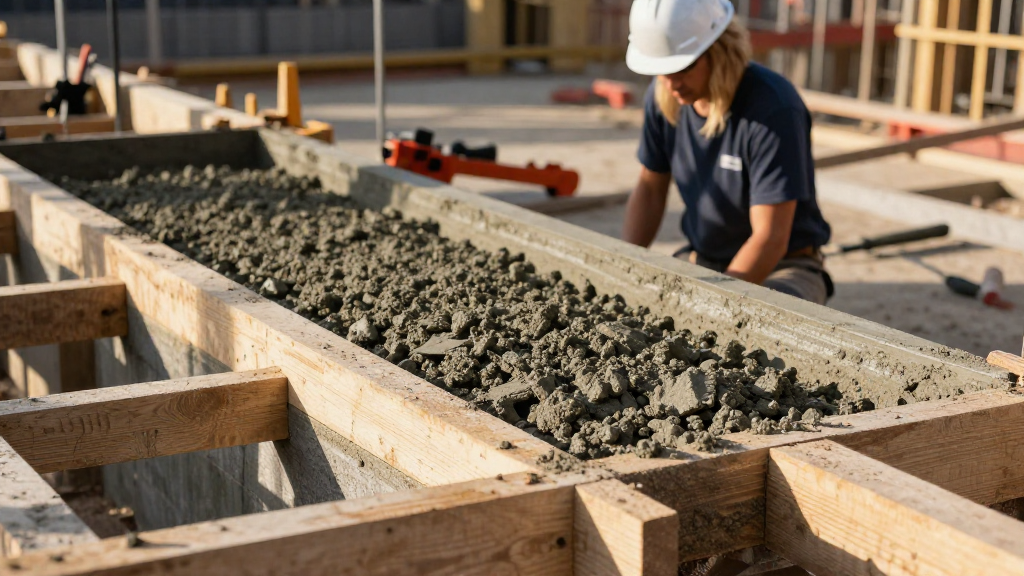
Choosing the right beam concrete mix ratio is crucial for the durability and strength of concrete beams in construction.
In this article, we will explore the ideal mix ratios, important factors to consider, and tips to ensure the longevity of your beams.
What is a Beam Concrete Mix Ratio?
A beam concrete mix ratio refers to the proportion of different materials used to create concrete specifically for beams.
This includes:
- Cement
- Aggregates (fine and coarse)
- Water
- Admixtures (optional)
To achieve a strong and durable beam, it’s essential to find the right balance between these components.
Why is Mix Ratio Important?
-
Strength
A proper beam concrete mix ratio ensures that the concrete can withstand the loads it’s meant to carry, resulting in a durable structure. -
Workability
The right mix allows for easier pouring and finishing of the concrete, making the construction process smoother. -
Durability
Suitable ratios help in minimizing shrinkage and cracking, enhancing the beam’s life span.
What is the Ideal Mix Ratio for Beams?
A common beam concrete mix ratio is 1:2:4 (Cement: Sand: Aggregate).
Here’s a breakdown of the components:
-
Cement (1 part)
Acts as the binding agent. High-quality Portland cement is often recommended. -
Sand (2 parts)
Fine aggregate that fills the voids in concrete mix ensuring better workability. -
Aggregates (4 parts)
This includes graded coarse aggregates, essential for structural integrity.
Other Common Ratios
-
1:1.5:3 – This mix ratio is often used when higher strength is crucial, such as in heavy load-bearing beams.
-
1:2:3 – A balance between workability and strength, used for reinforced concrete beams.
-
1:2.5:4 – Often recommended for light-load applications or decorative beams, providing a slightly lighter structure.
How to Calculate Water-Cement Ratio?
The water-cement ratio is also critical in determining the effectiveness of the beam concrete mix ratio.
A standard approach is to use 0.4 to 0.6 parts of water for every part of cement.
Remember, the more water you add, the lower the final strength of the concrete will be.
Example Calculation:
For a 1:2:4 mix:
– If you have 50 kg of cement, you would need approximately 20-30 liters of water.
What Factors Influence Beam Concrete Mix Ratio?
Several factors can impact how you decide on the beam concrete mix ratio:
-
Load-Bearing Requirements
Heavier loads will require a stronger concrete mix, often involving higher cement content. -
Environmental Conditions
Consider factors like temperature and moisture levels. In colder climates, you might need more cement for better hydration. -
Type of Beam
The use of the beam matters; for example, a beam in a residential building will have different requirements than a bridge beam. -
Quality of Materials
The quality of your cement, sand, and aggregates will also influence the optimal mix ratio.
Are There Special Admixtures for Concrete Beams?
Yes, there are various admixtures that can be added to your beam concrete mix ratio to enhance performance:
-
Plasticizers: Improve workability without adding water.
-
Accelerators: Speed up the curing process in colder regions.
-
Retarders: Slow down the setting time, beneficial in hot climates.
-
Fibers: Reinforce the concrete and reduce shrinkage.
How is Beam Concrete Mix Prepared?
-
Calculating Quantities
Determine the total volume needed and use the chosen mix ratio to calculate each constituent. -
Mixing Process
Follow these steps:
-
Dry Mix: Combine cement, sand, and aggregates thoroughly until uniformly mixed.
-
Add Water: Gradually add water while mixing. It’s crucial to achieve the right consistency.
-
Check Consistency: The mix should not be too wet or too dry.
- Pouring and Curing
Once mixed, pour the concrete into prepped forms for the beam.
- Curing is vital—keep the surface moist for at least 7-14 days to ensure optimal strength.
What Are Common Mistakes in Mix Ratios?
-
Too Much Water
Excess water leads to weak concrete susceptible to cracking. -
Inconsistent Mixing
Improperly mixed concrete can lead to ‘hot spots’ of varying strength. -
Ignoring Environmental Conditions
Not considering temperature or humidity can compromise the beam strength.
Conclusion: Finding the Right Beam Concrete Mix Ratio
In conclusion, selecting the proper beam concrete mix ratio is essential for ensuring the structural integrity and longevity of concrete beams.
By understanding the factors that influence your mix and being aware of common mistakes, you can create robust beams suitable for various applications.
The recommended mix ratios of 1:2:4, 1:1.5:3, and 1:2.5:4 are a great starting point, but always consider the unique requirements of your project.
Proper preparation, calculated ratios, and the right curing methods will result in a strong and reliable structure.