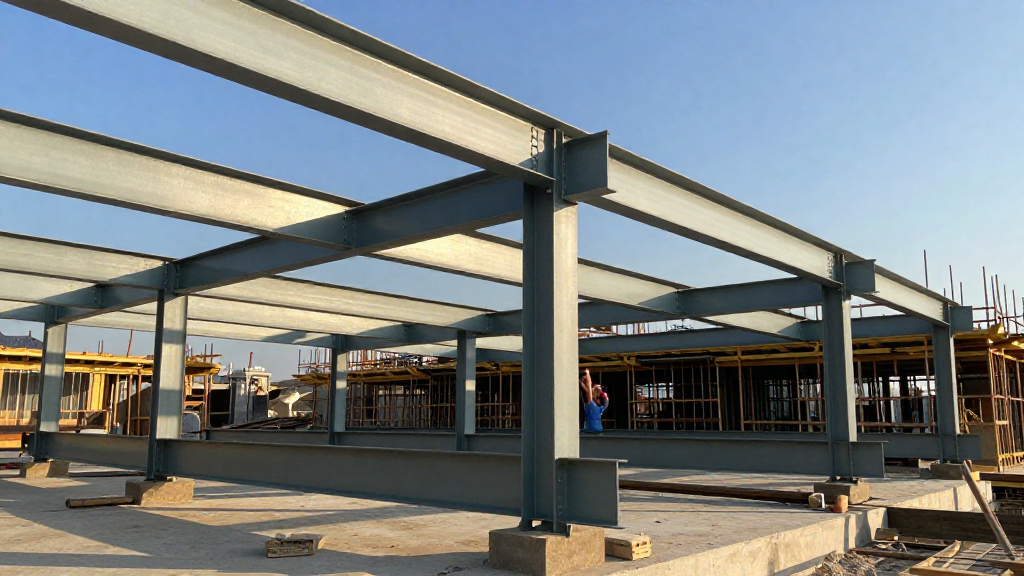
Understanding the beam construction sequence is crucial for anyone involved in the building and architecture industry.
Engineers, architects, and construction managers must follow a precise order of operations to ensure structural integrity, safety, and efficiency.
What Steps Are Involved in the Beam Construction Sequence?
The construction of beams involves several steps that must be adhered to for a successful build.
1. Planning and Design
Before any physical work begins, it is essential to:
- Analyze the building specifications
- Determine the load requirements
- Select materials suitable for the beams, such as wood, steel, or concrete
The planning phase sets the foundation for the rest of the beam construction sequence.
2. Site Preparation
Once the design is finalized, the construction site must be prepared.
This includes:
- Clearing the land of any debris
- Leveling the ground
- Setting up temporary structures if necessary
Proper site preparation is vital for the structural stability of the beams.
3. Lay Out Beam Locations
Mark the locations where the beams will be installed.
Use this step to ensure:
- Accurate measurement of beam placements
- Alignment with other structural elements like columns and walls
Accurate layout is a fundamental aspect of the beam construction sequence, as any misalignment can lead to significant issues down the road.
4. Foundation Work
After the layout is complete, it’s time to focus on the foundation.
The foundation must be prepared to handle the loads from the beams, which may include:
- Pouring concrete footings
- Installing anchor bolts
- Ensuring that the foundation has cured properly before proceeding
A robust foundation serves as the backbone of the entire structure, directly impacting the performance of the beams.
5. Fabrication of Beams
In this phase, the beams are either fabricated offsite or constructed on location.
Key points in fabrication include:
- Following design specifications strictly
- Cut and shape the materials according to load requirements
- Transporting beams to the construction site if fabricated offsite
Proper fabrication is critical in ensuring that the beams meet design specifications and can withstand the intended loads.
6. Beam Installation
Once the beams are prepared and on-site, installation can begin.
This part of the beam construction sequence typically entails:
- Positioning beams using cranes or other heavy lifting equipment
- Securing beams in place with bolts, welding, or brackets
- Checking for level and alignment throughout the installation process
Accurate installation is crucial; improperly installed beams can lead to structural disparities and safety risks.
7. Connection Details and Reinforcement
After initial installation, inspecting and reinforcing connection details is essential.
This step might involve:
- Installing additional plates or brackets for added stability
- Waterproofing joints to prevent moisture intrusion
- Ensuring that all connections meet local building codes
Proper connection details contribute significantly to the overall strength and durability of the structure.
8. Quality Control and Inspection
Once the beams are installed, it is vital to conduct a quality control inspection.
During this inspection, the following should be confirmed:
- All beams are aligned correctly and leveled
- Fasteners and supports are securely installed
- Structural integrity meets safety standards
Quality control looks to prevent future issues and maintain safety standards throughout the building lifetime.
9. Final Adjustments and Finishing Touches
After inspection, it’s time for final adjustments.
This stage may include:
- Making necessary fixes to beam alignment or installation
- Applying finishes such as paint or sealing materials
- Preparing for the next construction phase, which may involve adding walls, ceilings, or roofing
Final touches ensure a polished look and an additional layer of protection for the beams.
Why Is Following the Beam Construction Sequence Important?
Adhering to a proper beam construction sequence is not merely about following guidelines; it plays a critical role in the overall safety and functionality of a building.
Benefits of an Organized Sequence:
- Safety Compliance: Ensures that building codes are met.
- Structural Integrity: Reduces the risk of failure during the lifespan of the structure.
- Cost-Effectiveness: Minimizes rework and reduces wasted time and materials.
- Efficiency: Speeds up the construction process by following a logical order.
A well-executed beam construction sequence helps achieve these benefits systematically.
How Can You Optimize the Beam Construction Process?
To enhance the efficiency of the beam construction sequence, consider the following tips:
1. Leverage Technology
Utilize software for:
- Design modeling (like BIM)
- Project management
- Structural analysis
Technology not only improves accuracy but also enhances collaboration among teams.
2. Team Training
Regular training ensures that all team members understand the beam construction sequence thoroughly.
This includes:
- Safety protocols
- Latest building codes
- Best practices for installation and inspection
3. Regular Communication
Maintain open lines of communication among all stakeholders:
- Conduct regular meetings
- Use project management software to track progress
Good communication keeps everyone aligned and can prevent costly misunderstandings.
4. Limit Change Orders
Standardize plans as much as possible to limit changes during the construction phase.
Change orders can disrupt the beam construction sequence and lead to increased costs and extended timelines.
5. Schedule Inspections
Regular inspections at key milestones can catch problems early.
A proactive approach helps ensure compliance and quality throughout the construction process.
Conclusion
The beam construction sequence is a critical process that requires careful planning, precise execution, and diligent oversight.
From the initial design and site preparation to installation and quality checks, each step plays a significant role in the safety and longevity of the structure.
By understanding and optimizing the beam construction sequence, construction professionals can ensure that their projects are completed efficiently, safely, and up to code.
Prioritizing this systematic approach not only benefits individual projects but also enhances the overall quality of construction in the industry.