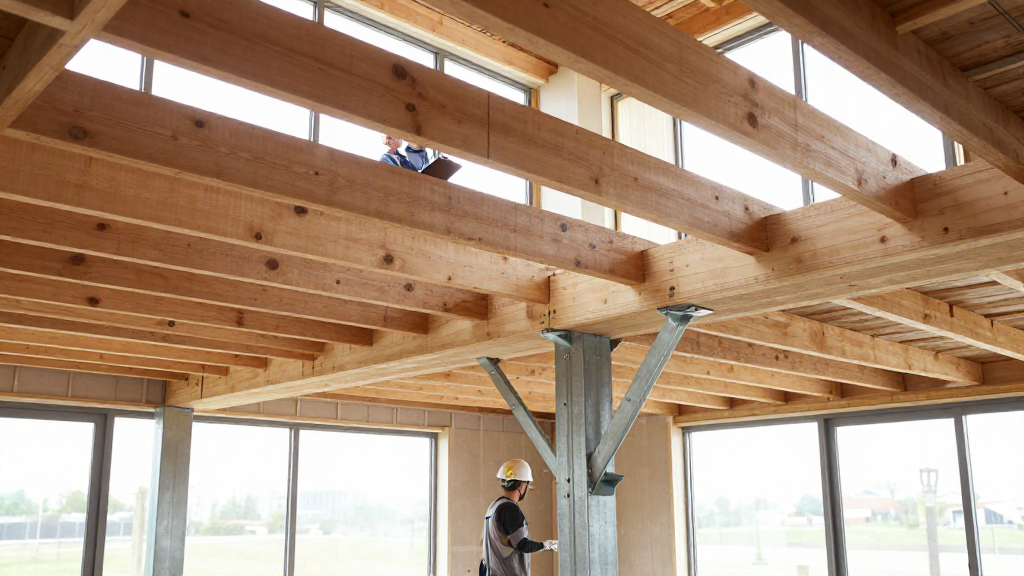
Designing the right beam for a mezzanine floor is crucial for ensuring safety, stability, and functionality.
In this article, we will guide you through the essential considerations and steps involved in designing effective beams for mezzanine floors.
What Are the Key Considerations in Beam Design for a Mezzanine Floor?
When designing a beam for a mezzanine floor, several critical factors come into play:
-
Load Capacity:
Understanding the load your mezzanine will support, including furniture, equipment, and people, is essential. Typically, mezzanines need to support a minimum of 125 pounds per square foot. -
Beam Material:
The material you choose for your beam significantly affects its strength and durability. Common materials include:
– Steel: Known for its high strength-to-weight ratio, making it suitable for heavy loads.
– Wood: A more traditional choice, ideal for lighter loads and aesthetic appeal.
– Composite Materials: Increasingly popular for their strength and lightweight properties. -
Span Length:
The distance between vertical supports affects the beam’s design. Longer spans often require larger or more robust materials. -
Height and Depth of the Beam:
The height and depth of the beam directly correlate with its load-bearing capacity. A deeper beam can typically support more weight. -
Local Building Codes:
Always verify local regulations and codes regarding mezzanine construction. They vary by region and may dictate specific requirements for beams.
How Do You Calculate Load Requirements for Your Beam?
To design a beam for a mezzanine floor effectively, precise calculations must be made. Here’s a simplified method:
-
Determine Specific Loads:
– Dead Load (DL): This includes the weight of the beam itself, the floor, and any permanent fixtures.
– Live Load (LL): This pertains to movable loads like furniture, equipment, and people. -
Use the Formula:
The total load (W) that your beam must support can be calculated using the following formula:
[
W = DL + LL
]
-
Consider Safety Factors:
It’s prudent to apply a safety factor (commonly between 1.5 to 2.0) when designing beams for mezzanine floors. This accounts for unforeseen circumstances and ensures the structure remains safe over time. -
Analyze Beam Deflections:
Make sure to calculate the expected deflection of the beam under load to ensure it stays within acceptable limits, as too much deflection can lead to structural problems over time.
Which Beam Sizes Are Suitable for a Mezzanine Floor?
Choosing the right size when designing a beam for a mezzanine floor is vital for maintaining structural integrity. Here are some general guidelines:
-
Steel Beams:
– I-Beams: Typically range from 8 inches to 24 inches in depth.
– C-Channels: These can be utilized for lighter loads and are available in various sizes. -
Wood Beams:
– Laminated Veneer Lumber (LVL) is a popular option, allowing for longer spans with smaller dimensions.
– Glulam Beams: Offer both strength and aesthetic features; depths usually range from 4 inches to 12 inches. -
Composite Beams:
– Designed for optimal performance with advanced manufacturing processes, these often have specific size recommendations based on the manufacturer’s guidelines.
Remember to consult beam size charts and structural guidelines that provide load ratings based on dimensions and materials.
How to Ensure Proper Beam Placement for a Mezzanine Floor?
Beam placement plays a crucial role in the overall stability of your mezzanine floor. Here are tips to ensure proper beam placement:
-
Identify Designated Load Areas:
– Map Load Distribution: Assess the layout of the mezzanine and mark where heavy items will be placed. -
Spacing Between Beams:
– Typically, beams for mezzanine floors should be spaced between 4 to 10 feet apart.
– Closer spacing is ideal for higher load requirements. -
Support Columns:
– Install support columns beneath each beam, positioned directly under load points.
– Make sure these columns are adequately anchored to the foundation to prevent movement and bending. -
Bracing the Structure:
– Use diagonal bracing between beams and columns to enhance stability.
– Consider lateral support to prevent sway, which is especially vital for taller mezzanines.
Why is it Important to Consult Professionals When Designing Beams for a Mezzanine Floor?
While designing a beam for a mezzanine floor might seem straightforward, consulting with structural engineers and professionals is critical for several reasons:
-
Expertise:
Professionals can provide insights based on their experience, ensuring that your design adheres to industry standards and best practices. -
Code Compliance:
Experts are well-versed in local building codes, which helps you avoid legal issues. -
Safety:
Mistakes in beam design can lead to structural failure. Enlisting professionals ensures that every aspect is thoroughly addressed. -
Cost Savings:
While hiring professionals might seem costly upfront, it can save money in terms of preventing future structural issues and handling necessary adjustments.
Conclusion: Creating a Safe and Efficient Mezzanine Floor
Designing the right beam for a mezzanine floor is a process that requires careful consideration of load capacities, material choices, and local regulations.
By calculating loads accurately, choosing appropriate beam sizes, and ensuring proper placement, you can create a mezzanine that is not only functional but also safe.
Don’t forget the importance of consulting professionals for expert guidance, as the integrity of your structure relies heavily on their input.
With the right design and planning, your mezzanine floor can be a valuable and safe addition to your space.