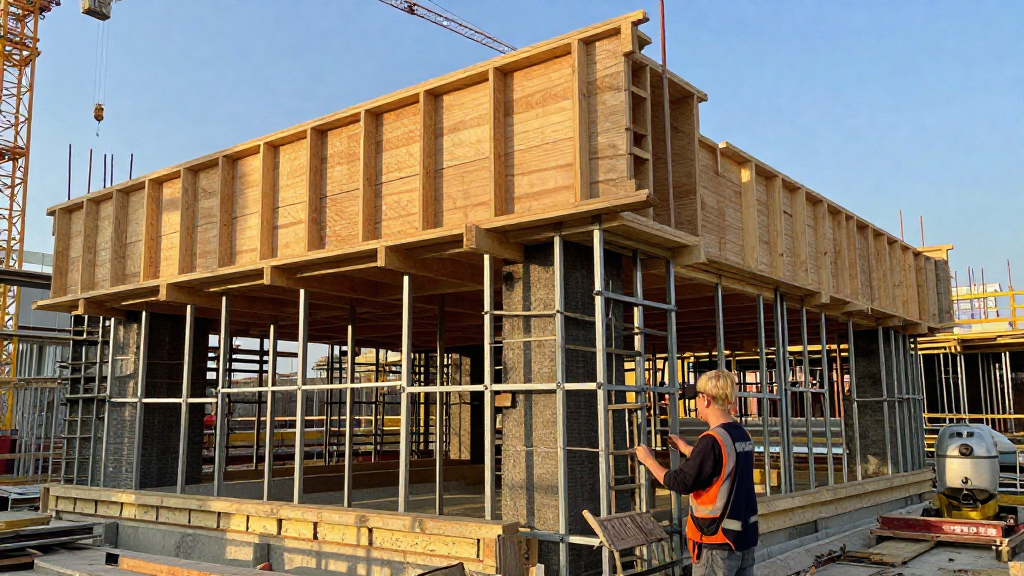
In concrete construction, beam formwork plays a pivotal role in shaping and supporting structures during the curing process.
What Is Beam Formwork?
Beam formwork refers to the temporary structure used to mold and support concrete beams until the material cures and gains sufficient strength.
The use of beam formwork is essential in ensuring that the final product meets both aesthetic and structural requirements.
With various types of formwork available, it’s vital to choose the right system to achieve optimal results.
Why Is Beam Formwork Important?
The importance of beam formwork can be understood through several key benefits:
- Structural Integrity: It provides the necessary support for the curing concrete beams, ensuring they maintain their shape and structural integrity.
- Cost-Efficiency: By enabling precise design and execution, beam formwork can reduce the amount of concrete needed and minimize material waste.
- Time-Saving: With advanced formwork systems, construction projects can be completed faster without compromising quality.
- Design Versatility: With custom-made options, beam formwork allows for a variety of shapes and sizes, catering to specific design requirements.
What Are the Different Types of Beam Formwork?
There are several types of beam formwork available, including:
-
Timber Formwork:
– Economical and readily available
– Suitable for small projects and custom designs
– Requires skilled labor for assembly and disassembly -
Steel Formwork:
– Durable and reusable
– Provides a smooth finish for the concrete surface
– Ideal for larger construction projects -
Aluminum Formwork:
– Lighter than steel, making it easier to handle
– Offers precision and durability
– Reduces labor costs and time -
Plastic Formwork:
– Lightweight, easy to assemble
– Highly resistant to moisture and chemical damage
– Often used for small-scale projects and repetitive patterns
How Is Beam Formwork Constructed?
Constructing beam formwork involves several steps:
-
Design Planning:
– Determine the dimensions and load requirements of the beam.
– Choose the appropriate type of beam formwork based on the project specifications. -
Material Selection:
– Select materials that provide the necessary strength and durability for the formwork.
– Consider factors such as cost, reusability, and ease of handling. -
Assembly:
– Assemble the chosen formwork system according to the design specifications.
– Ensure the system is securely fastened and can support the concrete load during curing. -
Installation:
– Position the formwork in the designated location and secure it in place.
– Check for levelness and alignment before pouring concrete. -
Pouring Concrete:
– Carefully pour the concrete into the formwork, taking care not to disturb its stability.
– Use vibrators if necessary to remove air pockets and ensure even distribution. -
Curing and Removal:
– Allow the concrete to cure for the recommended period before removing the formwork.
– Inspect the curing process to ensure the beams have reached adequate strength.
What Challenges Are Associated with Beam Formwork?
Despite its many advantages, beam formwork also presents certain challenges:
-
Labor Intensity: Certain types of formwork, like timber, require skilled labor for assembly, which can increase project costs.
-
Transportation and Handling: The weight and volume of the materials used in formwork can complicate transportation and on-site handling.
-
Time-Consuming Setup: Setting up complex formwork systems can be time-consuming, potentially delaying project timelines.
-
Risk of Defects: Improper assembly can lead to defects in the concrete structure, requiring costly repairs and reinforcements.
How Do You Ensure Quality in Beam Formwork?
To achieve high-quality results when using beam formwork, consider the following best practices:
-
Use Quality Materials: Invest in high-quality materials that offer durability and strength.
-
Follow Design Specifications: Ensure that the formwork is constructed according to precise design specifications to prevent defects.
-
Regular Inspections: Conduct regular inspections during the assembly and curing processes to identify and rectify any issues early.
-
Training and Skilled Labor: Employ skilled laborers familiar with the specific formwork system being used to ensure proper handling and assembly.
-
Implement Safety Measures: Maintain safety measures at the construction site to prevent accidents during formwork installation and concrete pouring.
What Are the Future Trends in Beam Formwork?
As technology and building practices evolve, the future of beam formwork looks promising. Some notable trends include:
-
Modular Formwork Systems: These systems allow quicker assembly and disassembly, promoting efficiency on-site.
-
Use of Smart Technology: Implementing sensors and automation in formwork systems can aid in real-time monitoring and adjustment during the construction process.
-
Sustainability: Increased focus on sustainable materials and practices is leading to innovative formwork solutions that minimize environmental impact.
-
3D Printing: Advances in 3D printing technology are making it possible to create custom formwork designs that were previously too complex or costly to produce.
Conclusion
In summary, beam formwork is a crucial element in concrete construction that offers multiple benefits, including structural integrity and design versatility.
Choosing the right type of formwork and adhering to best practices during construction can significantly impact the project’s success.
As technology advances, the future of beam formwork is likely to become even more efficient and sustainable, further enhancing the construction landscape.
Understanding and implementing the right strategies will ensure that your concrete beams not only meet design specifications but also stand the test of time.