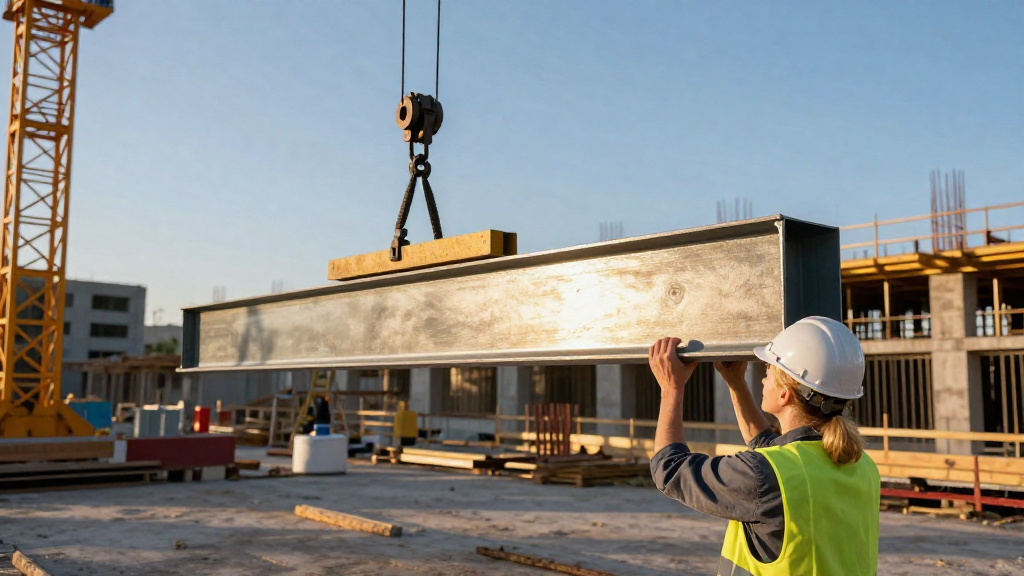
Beam lateral stability refers to the ability of structural beams to resist lateral movement or deflection.
In construction and civil engineering, understanding beam lateral stability is crucial for ensuring safety and performance. In this article, we’ll explore the concept of beam lateral stability, its importance, factors affecting it, and methods to enhance it. Additionally, we will discuss common applications and the implications of neglecting this critical aspect of beam design.
Why Is Beam Lateral Stability Important?
Beam lateral stability is vital for several reasons:
-
Safety: Inadequate lateral stability can lead to catastrophic structural failures, endangering lives and property.
-
Performance: Beams must maintain their intended shape under load to perform effectively.
-
Design Compliance: Many building codes require stringent lateral stability measures to ensure that structures can resist lateral forces.
What Factors Affect Beam Lateral Stability?
Several factors can influence the lateral stability of beams, including:
-
Material Properties: The type of material used (steel, concrete, wood, etc.) will have a significant impact on its lateral stability.
-
Geometry: The dimensions of the beam, such as its width and height, along with its overall shape, affect its ability to withstand lateral loads.
-
Support Conditions: How a beam is supported (simply supported, fixed, or cantilevered) will impact its lateral stability.
-
Loading Conditions: The nature and distribution of loads acting on the beam (uniformly distributed vs. point loads) will influence lateral stability.
How Does Beam Lateral Stability Impact Structural Design?
When designing a structure, ensuring adequate beam lateral stability is paramount. Here’s how it impacts the overall structural design:
-
Load Path Management: Engineers must plan how loads travel through a structure. Effective management helps maintain stability and optimize material usage.
-
Contingency Measures: In areas that may experience high wind or seismic activity, beam lateral stability must be proactively managed to prevent failure.
-
Material Selection: The choice of materials can change based on the required lateral stability. Stronger materials may be selected to improve resistance against lateral forces.
What Techniques Enhance Beam Lateral Stability?
Several techniques can be employed to improve beam lateral stability, including:
-
Cross-Bracing: Incorporating diagonal braces between beams can significantly increase lateral stiffness and stability.
-
Shear Walls: These vertical walls minimize lateral movement by providing a rigid structure that helps distribute forces.
-
Torsional Bracing: Additional bracing mechanisms can be used to resist twisting, further enhancing lateral stability for thin-beam structures.
-
Stiffening Elements: Adding girders or additional elements to a beam can enhance its resistance to lateral loads.
How Do Different Types of Beams Influence Stability?
1. Steel Beams:
Steel beams are known for their high strength-to-weight ratio. However, they are susceptible to lateral-torsional buckling, which can compromise beam lateral stability.
2. Concrete Beams:
Reinforced concrete beams exhibit considerable lateral stability. Their mass and rigidity help resist lateral forces, but careful attention must be paid to their design and support conditions.
3. Wooden Beams:
Wood beams may lack the inherent lateral stability of steel and concrete. The potential for warping due to moisture must be considered, leading to careful design and reinforcements.
What Are Common Applications of Beam Lateral Stability?
Beam lateral stability is critical in a variety of applications:
-
Bridges: Maintaining beam lateral stability is essential for ensuring that bridges can safely handle traffic loads and environmental forces.
-
Buildings: In high-rise structures, lateral stability is vital to withstand winds and lateral seismic forces.
-
Industrial Structures: Factories and warehouses require beams with high lateral stability to support heavy equipment and storage loads.
What Happens If Beam Lateral Stability Is Neglected?
Neglecting beam lateral stability can lead to severe consequences:
-
Structural Failures: This can result in the collapse of the entire structure, potentially causing loss of life and significant financial implications.
-
Increased Maintenance: Structures with poor lateral stability may require frequent repairs and reinforcements, leading to increased long-term costs.
-
Legal Issues: Failure to comply with building codes regarding beam lateral stability can result in legal repercussions for engineers and builders.
How Can Engineers Assess Beam Lateral Stability?
Engineers assess beam lateral stability through various methods:
-
Structural Analysis: Utilizing software to analyze beam reactions, deflection, and stability under various loads aids in identifying potential weaknesses.
-
Load Testing: Physically testing beams under controlled conditions can reveal their lateral stability characteristics.
-
Design Codes and Standards: Engineers refer to industry-specific building codes to ensure that beam lateral stability meets current safety standards.
Conclusion: Why Understanding Beam Lateral Stability Is Essential
Beam lateral stability plays a pivotal role in the safety and performance of structures.
By grasping the factors that influence it and employing various techniques to enhance stability, engineers can design safer, more efficient constructions.
From bridges to high-rise buildings, the importance of incorporating beam lateral stability in design cannot be overstated.
In conclusion, whether you’re an engineer, architect, or a construction professional, understanding and implementing beam lateral stability strategies is essential for creating resilient structures that can withstand lateral forces effectively.