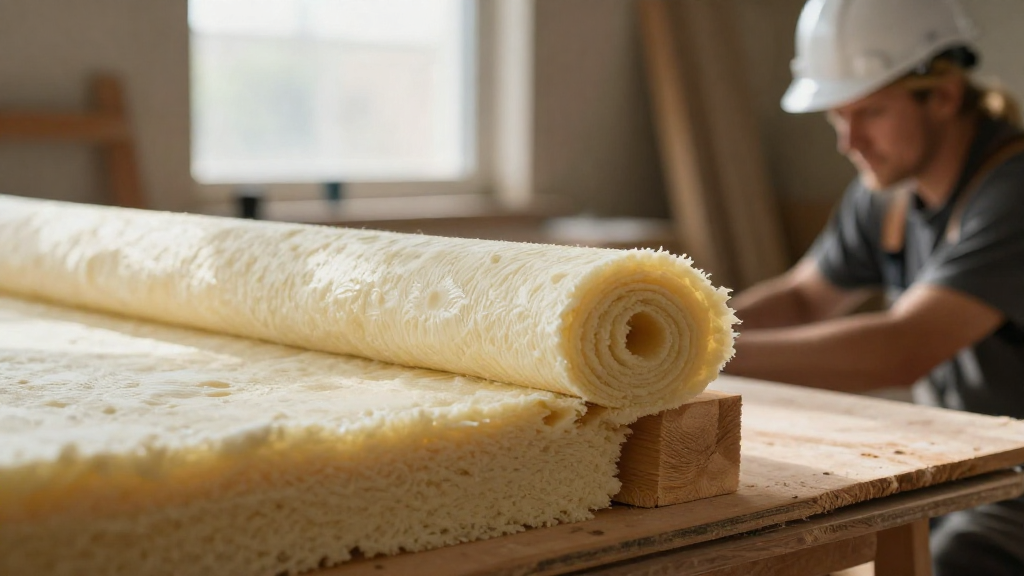
When it comes to beam thermal insulation, many homeowners and builders often overlook the importance of insulating beams.
However, ensuring adequate thermal insulation for beams can dramatically improve energy efficiency and comfort in a building.
In this article, we will explore various methods, materials, and techniques for effectively insulating beams thermally.
What is Beam Thermal Insulation?
Beam thermal insulation refers to the process of applying insulating materials around and between the beams in a building structure.
This insulation is crucial for controlling heat loss in winter and reducing heat gain in summer.
The goal is to create a stable indoor environment while minimizing the energy required for heating and cooling.
Why Insulate Beams?
Insulating beams provides several advantages, including:
-
Energy Efficiency: Proper insulation can reduce heating and cooling costs significantly.
-
Comfort: It helps maintain a consistent temperature across different areas of the home.
-
Condensation Control: Good insulation can help prevent condensation, which can lead to mold and structural damage.
-
Noise Reduction: Insulation can also serve as a sound barrier, muting external noises.
What Types of Materials Are Best for Beam Thermal Insulation?
When it comes to selecting materials for beam thermal insulation, there are several effective options:
-
Fiberglass Insulation
– Affordable and widely available
– Excellent thermal performance
– Comes in rolls or batts, easy to install -
Foam Board Insulation
– High R-value per inch
– Great for tight spaces
– Can be cut to fit around beams easily -
Spray Foam Insulation
– Provides an air-tight seal
– Expands upon application to fill gaps
– Best choice for complex beam structures -
Mineral Wool (Rock Wool)
– Excellent fire resistance
– Higher soundproofing capabilities
– Eco-friendly option -
Cellulose Insulation
– Made from recycled paper, sustainable
– Great for filling cavities
– Pest-resistant options are available
How Do You Apply Beam Thermal Insulation?
The application process for beam thermal insulation can vary depending on the material you choose.
However, a general approach to applying insulation includes the following steps:
-
Prep the Area
– Clear the insulation space around the beams.
– Ensure that the beams are dry and free from mold. -
Measure and Cut
– Measure the dimensions of the beam and the area surrounding it.
– Use appropriate tools to cut your insulation material to size. -
Install the Insulation
– For fiberglass batts, fit them snugly between the beams.
– For foam boards, use adhesive or screws to secure them in place.
– If using spray foam, apply it evenly around the beams. -
Seal Any Gaps
– Use caulk or foam to seal any gaps where air could escape.
– This step is crucial to ensure maximum thermal performance. -
Cover the Insulation
– In some cases, it may be necessary to cover the insulation with a protective layer, especially for spray foam.
Do You Need Professional Help for Beam Thermal Insulation?
While many homeowners can tackle beam thermal insulation on their own, some situations may warrant professional assistance.
Consider hiring experts if:
-
You have multiple beams or a complex structure.
-
You are using spray foam insulation and lack experience.
-
Local codes require professional installation for certain materials.
How Much Does Beam Thermal Insulation Cost?
The cost of beam thermal insulation can vary widely depending on several factors:
-
Material Type: Fiberglass is generally cheaper than spray foam, for example.
-
Labor Costs: Hiring a professional can add to the total cost.
-
Project Size: Larger areas will require more material, adding to overall expenses.
On average, homeowners can expect to spend anywhere from $0.50 to $3.00 per square foot for insulation projects.
How Can Beam Thermal Insulation Reduce Energy Costs?
Investing in beam thermal insulation can significantly lower your energy bills.
Here’s how:
-
Reduces Heat Loss: Properly insulated beams minimize heat escaping during the winter months.
-
Lowers Cooling Demands: In summer, insulation keeps the heat out, reducing the workload on HVAC systems.
-
Increases System Efficiency: By maintaining stable temperatures, HVAC units run more efficiently, leading to lower energy costs.
What Are Common Mistakes to Avoid?
When considering beam thermal insulation, be aware of common mistakes that can hinder effectiveness:
-
Ignoring Air Leaks
– Failing to seal gaps can negate your insulation efforts. -
Overstuffing Insulation
– Packing insulation too tightly reduces its effectiveness. -
Using the Wrong Type of Material
– Selecting materials that are unsuitable for your climate can lead to poor results. -
Neglecting to Insulate Adjacent Areas
– Ensure that surrounding spaces (such as walls, floors, and ceilings) are insulated too for best results.
Are There Any Environmental Benefits?
Yes, insulating beams offers environmental benefits beyond personal energy savings:
-
Reduced Carbon Footprint: By using less energy for heating and cooling, homes with proper insulation contribute to lower greenhouse gas emissions.
-
Use of Sustainable Materials: Many insulation options, like cellulose and mineral wool, are eco-friendly.
-
Waste Reduction: Products made from recycled materials help reduce landfill waste.
Conclusion: Is Beam Thermal Insulation Worth It?
Absolutely!
Investing in beam thermal insulation not only enhances comfort and energy efficiency in your home, but it also contributes to a sustainable future.
Whether you choose to DIY or enlist professional help, the benefits far outweigh the costs associated with insulation projects.
Make the effort to insulate your beams, and enjoy the rewards of a energy-efficient and comfortable home environment.