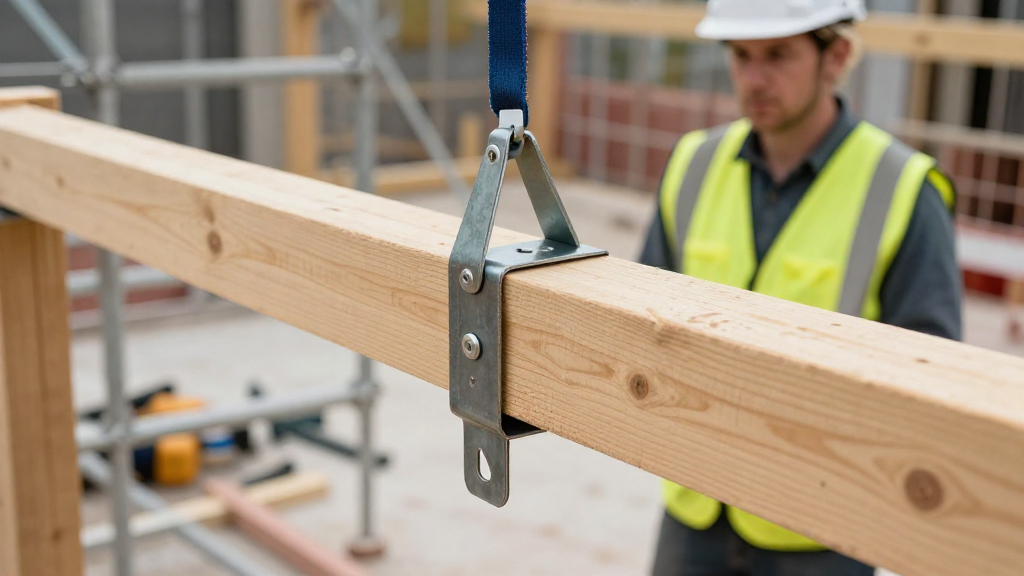
Beam uplift restraint is a crucial consideration in structural engineering.
When beams, particularly wooden ones, experience upward forces due to changes in moisture content or other factors, they can lead to significant structural problems.
Understanding how to prevent beam uplift can help maintain the integrity of your construction project.
What Is Beam Uplift Restraint?
Beam uplift restraint refers to measures and techniques employed to counteract the forces that can cause beams to lift away from their intended position.
This phenomenon typically occurs in wooden beams due to:
- Temperature Changes: Fluctuations in temperature can cause wood to expand and contract.
- Humidity Changes: Increased moisture levels can lead to swelling, while dry conditions can cause shrinkage.
- Load Variations: Alterations in structural loads can also affect how beams behave.
A proper beam uplift restraint system not only ensures stability but also prolongs the lifespan of the structure by reducing potential damage.
Why Is Beam Uplift Restraint Important?
The importance of beam uplift restraint cannot be overstated. Here’s why:
- Structural Stability: It maintains the alignment and position of beams.
- Preventing Damage: It reduces the risk of cracking and other damages to walls and ceilings.
- Safety: It helps in preventing potential collapse situations, which can be dangerous for inhabitants.
- Cost Efficiency: Addressing beam uplift issues can save significant repair and reinforcement costs in the long run.
How Can You Prevent Beam Uplift?
Preventing beam uplift involves several methods, practices, and considerations. Here are some effective strategies:
1. Use Proper Materials
The choice of materials plays a vital role in controlling beam uplift.
When selecting beams, consider:
- Moisture-Resistant Wood: Opt for treated woods that resist moisture absorption.
- Engineered Lumber: LVL (Laminated Veneer Lumber) and PSL (Parallel Strand Lumber) are less prone to fluctuation due to their construction.
2. Apply Adequate Fasteners and Bracing
Integrating strong fasteners is crucial for effective beam uplift restraint.
Here are some recommended fasteners:
- Structural Screws: Provide superior holding power compared to traditional nails.
- Hurricane Straps: These connect the beams to the structure, preventing uplift during high winds.
- Bracing: Diagonal bracing can disperse the forces acting on the beams.
3. Allow for Expansion and Contraction
Accommodating changes in moisture and temperature helps reduce the risk of uplift.
Consider implementing the following:
- Expansion Gaps: Leave sufficient gaps between beams and other structures to allow for expansion.
- Traditional Joinery Techniques: These can enhance the flexibility of the structure.
4. Maintain Proper Moisture Levels
Controlling moisture in and around your building is essential.
Follow these recommendations:
- Vapor Barriers: Installing vapor barriers can help control humidity levels.
- Dehumidifiers: Using dehumidifiers in enclosed spaces can reduce moisture buildup.
5. Inspect Regularly for Signs of Uplift
Regular inspections can alert you to potential issues before they escalate.
Be on the lookout for:
- Cracks in Walls or Ceilings: This can indicate shifting due to uplift.
- Misaligned Doors and Windows: Signs that structural integrity may have been compromised.
What Are the Signs of Beam Uplift?
Being proactive in checking for signs of beam uplift can save you time and money.
Look for these indicators:
- Uneven Floors: If floors feel bouncy or uneven, it may indicate beam uplift.
- Gaps Between Walls and Ceilings: Gaps can grow as beams move out of position.
- Sticking Doors: Misalignment can cause doors to stick in their frames.
When Should You Consult a Professional?
While you can undertake many beam uplift restraint measures yourself, it might be advisable to consult a professional in specific situations.
Consider reaching out to a structural engineer if:
- There are extensive structural changes needed.
- You notice major signs of structural failure.
- You are unsure about the best practices for your particular build.
Conclusion: A Long-Term Strategy
Implementing effective beam uplift restraint measures can protect your structure from future problems.
Prioritizing the choice of materials, effective bracing, and regular inspections is essential.
By understanding and applying the principles of beam uplift restraint, you can help ensure your building remains safe and structurally sound for years to come.
Investing time and effort in these preventive actions is key to avoiding costly mishaps related to beam uplift.
Stay vigilant, and keep your structure in prime condition!