Accurate color does not require a large studio. The best color calibration tools for small desks help photographers, video creators, and editors create a more reliable workflow without taking over limited workspace.
This roundup includes monitor colorimeters for screen calibration plus compact gray cards and color targets for camera-based white balance, exposure, and color correction. The right choice depends on whether you need to calibrate a display, capture consistent images, or do both.
Best 10 Color Calibration Tools for Small Desks Picks for 2026
Compact Monitor Calibration

- Compact USB-C colorimeter for small workspaces
- Guided calibration with before-and-after check
- Supports matching up to two displays
Best For: Space-conscious photographers and creators
Fast Display Calibration

- Targets calibration in about 90 seconds
- Supports up to three connected displays
- Upgrade path for OLED and mini-LED features
Best For: Creators who prioritize speed and expandability
Portable Camera Reference
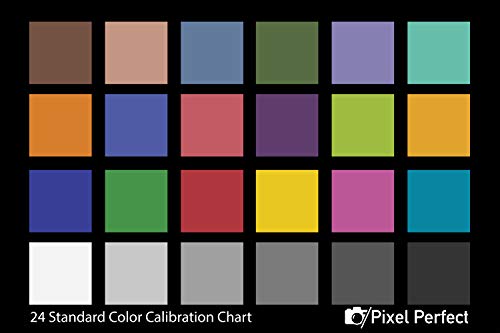
- Two 4-by-6-inch color reference cards
- Matte finish helps reduce glare
- Supports white balance, exposure, and correction workflows
Best For: Portable photo and video color referencing
Advanced Color Measurement

- D/8 structure with an 8mm aperture
- Offers extensive light-source and measurement choices
- Works with mobile app and computer software
Best For: Detailed portable color measurement and data workflows
Travel-Ready Reference
Calibrite ColorChecker Classic Mini

- 24-patch reference for photo and video
- Pocket-size design for small desks and travel
- Supports profiling with Calibrite PROFILER
Best For: Compact workspaces and location-based shooting
Desk-Stand Calibration Set
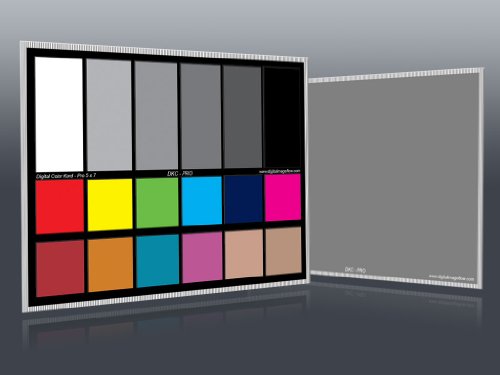
- Two 5 x 7-inch calibration cards
- Includes 12% and 18% gray references
- Comes with tabletop stand and user guide
Best For: Stationary desktop photo correction workflows
All-Purpose Color Reference

- 24 calibrated patches with skin tones and grayscale
- Supports white balance and RAW/JPEG correction
- Acrylic 5.7 x 4.1-inch portable design
Best For: Mixed photo, video, and print workflows
Compact Gray-Scale Reference

- Two compact 5x7-inch calibration charts
- 12% and 18% gray references with color bar
- Includes frame stand and user guide
Best For: Small-desk video setups and portable shoots
Wide Video Reference
Digital Kolor Pro 16:9 Chart Set

- Two 16:9 color calibration charts
- 14-by-7.88-inch lightweight format
- Designed for cameras and editing software
Best For: Video workflows needing a larger reference target
Portable Color Checker

- 24 calibrated color, skin-tone, and gray patches
- Supports white balance and RAW/JPEG correction
- Compact 5.7-by-4.1-inch acrylic card
Best For: Small studios and photographers needing versatile color checks
Compact Monitor Calibration – Calibrite Display 123
For photographers and creators seeking color calibration tools for small desks, the Calibrite Display 123 is a compact monitor colorimeter with a guided workflow. Its small body, USB-C connection, and support for two displays make it practical for space-conscious editing setups.
Best For: Small-desk photo and video editing setups that need straightforward monitor calibration.
Pros:
- Compact body measuring approximately 34mm tall by 37mm in diameter.
- Guided Easy 1 2 3 software workflow simplifies setup.
- Supports calibration of up to two displays and includes a before-and-after comparison.
- Offers Native or Photo brightness target selection.
Cons:
- Supports up to two displays, which may not suit larger multi-monitor workstations.
- Its feature set is focused on approachable calibration rather than advanced measurement controls.
The Display 123 is a sensible pick when desk space and ease of use matter most. It helps establish more consistent color without adding a bulky device to the workspace.
Fast Display Calibration – Datacolor SpyderExpress
The Datacolor SpyderExpress is one of the color calibration tools for small desks to consider when speed and simple setup are priorities. It connects to a computer, uses a three-step workflow, and can calibrate up to three connected displays per workstation.
Best For: Creators who want quick, repeatable calibration and potential support for newer display technologies.
Pros:
- Promises edit-ready color in about 90 seconds.
- Simple download, plug-in, and three-step setup.
- Can calibrate up to three connected displays per workstation.
- Supports the latest Liquid Retina XDR displays, with upgrades available for OLED and advanced mini-LED support.
Cons:
- Some advanced capabilities require software upgrades.
- The listed dimensions are larger than the Calibrite Display 123, so it may be less compact for very tight desks.
SpyderExpress fits a small creative workstation when a fast routine is more important than a minimal hardware footprint. Its upgrade path also lets users add features as their display needs grow.
Portable Camera Reference – Pixel Perfect Colour Card
The Pixel Perfect Camera Colour Correction Card is a portable alternative to screen-focused color calibration tools for small desks. This set of two 4-by-6-inch reference cards helps with white balance, exposure, and color correction during photo or video capture.
Best For: Photographers and videographers who need an inexpensive, portable in-camera color reference.
Pros:
- Set includes two cards for use across shoots or camera setups.
- Matte SmartFlex synthetic paper helps avoid glare.
- Fits easily in an equipment bag and weighs 0.4 ounces.
- Includes instructions and access to Adobe correction software.
Cons:
- It is a physical reference target, not a monitor colorimeter.
- It does not calibrate displays or provide automated screen profiles.
This card set is best viewed as a capture-stage color aid rather than a replacement for monitor calibration hardware. Its low weight, small format, and affordable positioning make it useful when portability matters.
Advanced Color Measurement – Portable D/8 Colorimeter
For users who need more than basic display profiling, this portable D/8 colorimeter offers broad measurement controls in a compact instrument. It is worth considering among color calibration tools for small desks when comparing materials, colors, or production samples is part of the workflow.
Best For: Users who need portable color measurement, extensive data options, and app or computer connectivity.
Pros:
- Uses an 8mm aperture and D/8 measurement structure.
- Supports 26 evaluation light sources, 33 measurement parameters, and four color-difference formulas.
- Includes 19 built-in electronic color cards.
- Supports app and computer software for calibration, storage, export, and management.
Cons:
- Its broad feature set may be more complex than needed for ordinary monitor calibration.
- App registration and software downloads require additional setup.
- At 10.2 ounces, it is heavier than the small monitor colorimeters listed here.
This device is the most measurement-oriented option in the group. Choose it when flexible color data and comparison features justify a more involved setup, rather than when you only need quick screen profiling.
Travel-Ready Reference – Calibrite ColorChecker Classic Mini
The Calibrite ColorChecker Classic Mini is a practical choice for photographers and videographers seeking color calibration tools for small desks or mobile workflows. Its 24-patch target supports white balance, exposure evaluation, color grading, and custom profile creation when paired with Calibrite PROFILER software.
Best For: Small workspaces, travel, location shoots, and creators who need a compact camera-color reference.
Pros:
- Compact 3.5 x 5-inch format is easy to store or carry.
- 24 color patches support white balance, exposure checks, and grading.
- Can support DNG and ICC camera profiles with compatible Calibrite software.
- Useful for maintaining consistency across cameras and changing lighting.
Cons:
- Software is needed for custom DNG and ICC profile creation.
- Its small format may provide less viewing area than larger reference charts.
Choose this model when portability and an uncluttered desk setup matter most. It provides a standardized reference without taking up much room, making it a strong fit for compact photo and video stations.
Desk-Stand Calibration Set – DKC-Pro 12%/18% Gray Charts
The DKC-Pro set is suited to creators who want color calibration tools for small desks with a stable tabletop presentation. It includes two 5 x 7-inch cards, 12% and 18% gray references, 18 color patches, a frame stand, and a user guide for photographic correction and post-production work.
Best For: Desktop photo stations, controlled white-balance and exposure checks, and users who prefer a freestanding reference.
Pros:
- Includes two cards with both 12% and 18% gray references.
- 18 color patches support digital color correction and post-production analysis.
- Frame stand allows tabletop placement in a compact workspace.
- Designed for use with workflows such as Adobe Photoshop and Lightroom.
Cons:
- The 5 x 7-inch cards take more desk space than a pocket-size chart.
- Its included stand favors stationary use over highly portable workflows.
This set makes sense if your calibration reference can remain on a small desk rather than travel in a camera bag. The dual gray references and tabletop stand give it a practical role in repeatable exposure and color-correction routines.
All-Purpose Color Reference – Professional 24-Color Card
This professional 24-color card is a versatile option for anyone comparing color calibration tools for small desks. Its 24 calibrated patches, integrated gray areas, and 5.7 x 4.1-inch acrylic construction support white balance, RAW or JPEG correction, print proofing, and on-location validation.
Best For: Photo and video creators who want one compact reference for camera setup, editing, and print-oriented checks.
Pros:
- 24 patches include natural tones, skin colors, and grayscale references.
- Gray patches support custom white balance under varied lighting.
- Works across photography, videography, printing, and post-production workflows.
- Compact acrylic card is designed for studio and outdoor use.
Cons:
- Its 5.7 x 4.1-inch size is less pocket-sized than the smallest chart in this roundup.
- The supplied notes do not mention a bundled stand or dedicated profiling software.
Consider this card if you want broad workflow coverage without adding multiple references to a compact desk. It is especially useful when the same target needs to appear during capture and remain available for editing or print checks.
Compact Gray-Scale Reference – DKK 5×7 White Balance Charts
For color calibration tools for small desks, these compact 5-by-7-inch charts provide a practical reference without taking up much workspace. The set combines 12% and 18% gray targets with a color bar and includes a frame stand and user guide for straightforward setup.
Best For: Video creators who need a portable white-balance and exposure reference for small workspaces or on-location shoots.
Pros:
- Compact 5-by-7-inch format suits limited desk space and travel.
- Includes both 12% and 18% gray references plus a color bar.
- Frame stand and user guide support quick setup.
- Designed for repeated use with durable materials.
Cons:
- Provides a chart-based reference rather than automated calibration.
- The compact size may offer less framing area than larger charts.
This is a sensible small-desk option when portability and basic white-balance, exposure, and color references matter more than a large target surface.
Wide Video Reference – Digital Kolor Pro 16:9 Chart Set
DGK Color Tools Digital Kolor Pro 16:9 Large Color Calibration and Video Chip Chart, 2-Pack
Check Price On AmazonAmong color calibration tools for small desks, this 2-pack offers a broader 16:9 reference while remaining lightweight enough for occasional relocation. Its 14-by-7.88-inch format is suited to video workflows that need consistent color and aspect-ratio-aware adjustments.
Best For: Video editors and camera operators who want a larger 16:9 calibration reference for a compact studio or mobile workflow.
Pros:
- 16:9 layout is tailored to video production.
- Two charts provide a spare or allow use across setups.
- Lightweight design supports on-location transport.
- Compatible with various cameras and editing software.
Cons:
- Its nearly 14-inch width requires more desk space than compact cards.
- The supplied notes do not mention a stand or user guide.
This set makes sense when you want a larger video-oriented target but still need a relatively light tool that can move between a small desk and shooting locations.
Portable Color Checker – 24-Patch Calibration Card
This 5.7-by-4.1-inch card is one of the more space-conscious color calibration tools for small desks. It combines 24 calibrated color patches with gray areas for white-balance setup, making it useful for photography, video, RAW or JPEG correction, and print proofing.
Best For: Photographers and small-studio creators who need a compact color, skin-tone, and neutral-balance reference.
Pros:
- Includes 24 reference patches covering natural tones, skin colors, and grayscale.
- Gray patches support custom white-balance setup under varied lighting.
- Compact acrylic construction fits in a camera bag or on a small desk.
- Supports photography, video, RAW/JPEG correction, and print proofing.
Cons:
- Its small surface may be less convenient when shooting wider compositions.
- Requires manual comparison and adjustment rather than automatic correction.
Choose this card if versatility is the priority: it offers more color patches than a simple gray reference while retaining a compact footprint for constrained workspaces.
How We Picked the Best Color Calibration Tools for Small Desks
We focused on tools that suit compact editing stations and small creative workspaces. The selection covers two main categories: monitor colorimeters that measure and profile a display, and portable reference targets that help set white balance, exposure, and color during photography or video production.
We also considered portability, setup requirements, connection and app support, target size, storage convenience, and how easily each option can fit into a repeatable workflow. A camera chart cannot replace a monitor colorimeter, so the best choice depends on the stage of color control you need.
Quick Comparison
- Best for straightforward monitor calibration: Calibrite Display 123.
- Best for an established display-calibration workflow: Datacolor SpyderExpress.
- Best for camera white balance and exposure: A compact gray card or 12%/18% gray chart set.
- Best for photo and video color correction: A 24-patch color reference target such as the ColorChecker Classic Mini.
- Best for larger video framing: A 16:9 chip chart.
- Best for broader measurement tasks: A portable colorimeter with app support and onboard data storage.
Key Buying Factors for Color Calibration Tools for Small Desks
Choose the Right Calibration Type
A display colorimeter measures your monitor and creates a correction profile, making it the appropriate tool for editing photos or video on screen. Gray cards and camera charts are placed in the scene or photographed under the same lighting as the subject. They improve capture consistency but do not calibrate the display itself.
Check Size and Storage
Small desks benefit from compact targets that can slide into a drawer or portfolio. A larger 16:9 chart may be more useful for video but needs additional storage and working distance. A folding stand or included frame can make a chart easier to position without adding permanent desk clutter.
Consider Software and Compatibility
For monitor devices, confirm that the calibration software supports your operating system, monitor connection, and editing setup. USB-C connectivity can simplify use with modern laptops, while app support may be valuable for portable colorimeters. Camera charts generally require compatible editing software and a consistent process rather than a dedicated driver.
Prioritize Repeatability
Look for clearly defined gray values, scientifically produced color patches, durable surfaces, and a protective case or storage method. Keep charts away from strong light, dust, and fading, since a damaged reference can introduce errors.
Who Should Buy Which Color Calibration Tools for Small Desks?
Photo editors and designers: Choose a monitor colorimeter first, especially if accurate on-screen color is central to your work. Add a 24-patch target if you also photograph products or artwork.
Photographers and videographers: A compact gray card or color chart is usually the most practical starting point for consistent capture in changing light. A monitor calibrator becomes important when final color decisions are made at the desk.
Small-studio creators: Select a compact two-in-one workflow—a small camera target for shooting and a USB monitor colorimeter for editing—if your budget allows. This provides more control without requiring a dedicated color room.
Occasional users: A simple gray card or reference chart is easier to learn and store than a full measurement system. Choose a monitor device only when display consistency is causing visible problems across projects or screens.