If you need quick access to SATA drives on a Mac, the right dock can make backups, cloning, and drive recovery far easier. The best models are tool-free, fast, and simple to use.
Below you’ll find 10 hard drive docking stations for Mac chosen for everyday reliability, compatibility, and practical features that matter most.
Best 10 Hard Drive Docking Stations for Mac Picks for 2026
Best Value SATA Dock
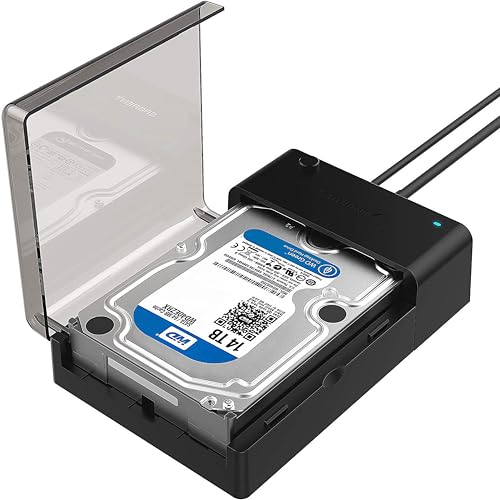
- Works with 2.5-inch and 3.5-inch SATA drives
- Tool-free, plug-and-play setup for macOS
- Includes 12V power adapter for 3.5-inch drives
Best For: Mac users who need a simple single-bay dock for bare SATA drives and backups
High-Capacity Mac Dock
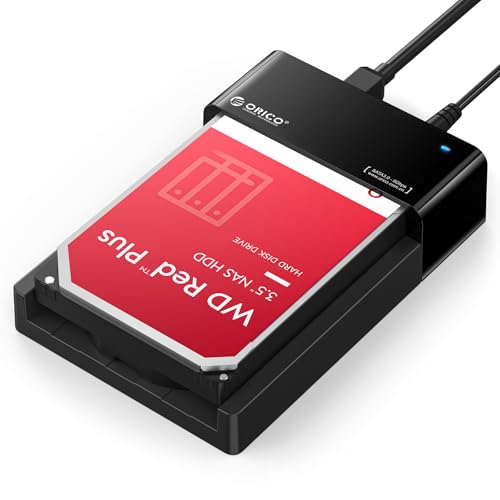
- Supports SATA drives up to 24TB
- USB 3.0 with UASP and plug-and-play macOS support
- Tool-free lay-flat design for easier cooling
Best For: Mac users who want a tool-free single-bay dock with higher capacity support
Mixed-Drive Recovery Kit

- Reads IDE, SATA, and M.2 drives
- Includes power accessories for older disks
- Works with Mac OS, Windows, and Linux
Best For: Mac users recovering data from a mix of IDE, SATA, and M.2 drives
Dual-Bay Cloner Dock
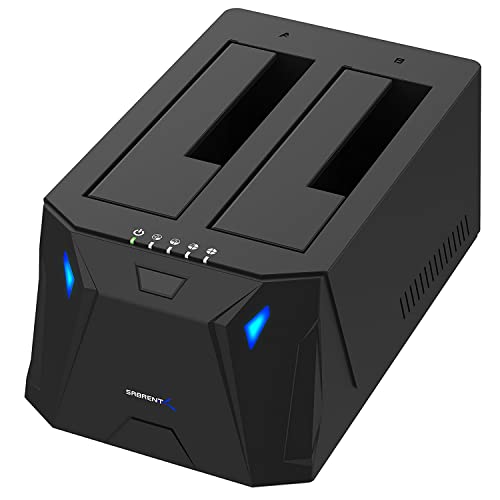
- Two-bay design for 2.5-inch and 3.5-inch SATA drives
- Built-in offline cloning support
- USB 3.0 transfers up to 5Gbps
Best For: Mac users who want a two-drive dock for cloning and transfers
All-in-One Storage Hub
YOTUO 1TB External Drive with USB-C Hub
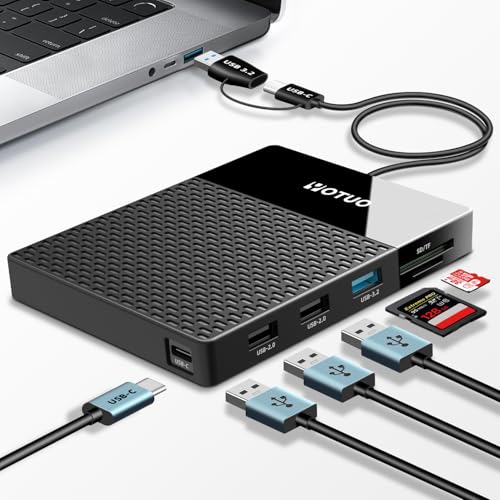
- 1TB storage with built-in hub
- USB-C, SD, and TF support
- Works with Mac OS USB-C devices
Best For: Mac users wanting portable storage plus extra ports
Dual-Bay Clone Dock
BENFEI USB-C Offline Clone Station

- Dual bays for two-drive workflows
- Offline one-button cloning
- USB-C with UASP up to 5Gbps
Best For: Mac users who need backups and drive cloning
Top Pick for Direct Cloning

- Offline 1-to-1 cloning without a computer
- Mounts two SATA drives at once on Mac
- USB-C cable included; plug-and-play
Best For: Mac users who want a dual-bay dock with offline cloning
Best Budget Dual-Bay
FIDECO Dual Bay SATA Docking Station

- Mac OS compatible, plus Windows and Linux
- Dual-bay SATA HDD/SSD support
- Offline clone and 5Gbps USB 3.0
Best For: Mac users who need an affordable dual-bay SATA dock with offline clone support
Best Multi-Drive Dock

- Holds up to four SATA HDDs or SSDs
- Offline cloning without a computer
- Trayless USB 3.0 dock with 5Gbps support
Best For: Mac users who need to access, back up, or manage multiple SATA drives from one dock
Best Value SATA Dock – SABRENT USB 3.0 Lay-Flat Dock
If you want a straightforward option among hard drive docking stations for mac, this SABRENT dock keeps the setup simple: insert a bare SATA drive, connect over USB 3.0 Type-A, and start moving files. It’s designed for SATA HDDs and SSDs only, so it’s a good fit if you’re working with standard 2.5-inch or 3.5-inch drives rather than M.2 or IDE media.
Best For: Mac users who need a simple single-bay dock for bare SATA drives and occasional backups.
Pros:
- Supports 2.5-inch and 3.5-inch SATA I/II/III HDDs and SSDs
- Tool-free, hot-swap design with plug-and-play support on macOS
- Includes a 12V power adapter for stable 3.5-inch drive operation
- UASP support can help maximize transfer performance on compatible Macs
Cons:
- Does not support IDE/PATA, M.2 NVMe, M.2 SATA, or SAS drives
- Uses USB Type-A, so USB-C-only Macs need an adapter
- macOS may require remounting after sleep
Overall, this is a practical pick if your workflow centers on standard SATA drives and you want a no-frills dock that works well for backups, transfers, and drive swaps. Just make sure your Mac has the right USB-A connection path and that your drive is bare SATA.
High-Capacity Mac Dock – ORICO Lay-Flat USB 3.0 Dock
For hard drive docking stations for mac that lean toward convenience and capacity, this ORICO model is built around a single lay-flat SATA bay with USB 3.0 and UASP support. It handles 2.5-inch and 3.5-inch SATA drives and SSDs, making it a solid choice for large-file transfers, backups, and drive migration on a Mac setup.
Best For: Mac users who want a tool-free single-bay dock with higher drive capacity support.
Pros:
- Supports 2.5-inch and 3.5-inch SATA I/II/III HDDs and SSDs up to 24TB
- UASP over USB 3.0 supports up to 5Gbps on compatible systems
- Lay-flat design is intended to improve natural heat dissipation
- Tool-free, hot-swappable operation with macOS compatibility listed
Cons:
- Uses USB Type-A rather than USB-C
- Only supports one drive at a time
- Not compatible with non-SATA drive types like IDE or M.2
This is a strong fit if you want a Mac-compatible dock for large SATA drives and a simple, no-screws workflow. The included adapter and cable bundle make it ready to use out of the box, but it’s still best suited to users who only need one drive connected at a time.
Mixed-Drive Recovery Kit – 4-in-1 IDE SATA M.2 Reader
If you need hard drive docking stations for mac that can handle older and newer drives, this 4-in-1 reader is built for data retrieval across IDE, SATA, and M.2 media. It’s more of a recovery and transfer kit than a traditional one-bay dock, but the broad compatibility can be useful when you’re dealing with mixed drive collections on a Mac.
Best For: Mac users recovering data from a mix of IDE, SATA, and M.2 drives.
Pros:
- Supports IDE, SATA, and M.2 drives in one kit
- M.2 interface supports up to 10Gbps for compatible NVMe and SATA M.2 drives
- Includes a 4-pin power cable and external power adapter for older drives
- Compatible with Windows, Mac OS, and Linux
Cons:
- More specialized than a standard single-bay dock
- Does not support B Key or mSATA M.2 drives
- Compatibility depends on matching the file system to the computer’s operating system
This is the most versatile option here if your priority is accessing legacy IDE hardware alongside SATA and M.2 drives. It’s best viewed as a recovery kit for Mac users rather than a dedicated everyday docking station.
Dual-Bay Cloner Dock – SABRENT EC-HD2B USB 3.0
Among hard drive docking stations for mac, a dual-bay dock makes sense when you want to copy or compare drives without opening a computer. This SABRENT model supports two 2.5-inch or 3.5-inch SATA drives or SSDs, and its offline cloning feature adds value if you need to duplicate a drive before swapping it into a Mac workflow.
Best For: Mac users who want a two-drive dock for cloning and transfers.
Pros:
- Dual bays support 2.5-inch and 3.5-inch SATA HDDs and SSDs
- Offline cloning support is built in
- Plug-and-play operation with USB 3.0 transfer speeds up to 5Gbps
- Includes a power supply, USB cable, and user manual
Cons:
- Cloning speed is listed up to 60Mbps, which is much slower than USB transfer mode
- Still limited to SATA drives only
- Product details list Linux hardware platform, so Mac buyers should verify their exact setup
If cloning is part of your routine, this dock stands out because it handles two drives at once and adds offline duplication. It’s a practical choice for Mac users who need a SATA-focused workflow, though it’s less flexible than a mixed-interface adapter and not ideal if you need USB-C-native hardware.
All-in-One Storage Hub – YOTUO 1TB External Drive with USB-C Hub
If you want hard drive docking stations for mac that also cut down on desk clutter, this YOTUO unit stands out because it combines 1TB of storage with a built-in multiport hub and SD/TF card reader. It connects through USB-C and supports Mac OS, making it a practical pick for users who want storage expansion and everyday connectivity in one compact device.
Best For: Mac users who want a portable all-in-one storage and hub solution for everyday file access and device expansion.
Pros:
- Built-in 1TB hard drive plus multi-port hub reduces the need for separate accessories.
- Supports USB-C, USB 3.2, USB 2.0, SD card, and TF card connections.
- Compatible with Mac OS and other systems, including Windows, Linux, Android, and iOS USB-C devices.
- Compact, lightweight design is easy to carry for on-the-go use.
Cons:
- Only compatible with Apple devices that have a USB-C port.
- Not a traditional bare-drive dock for swapping 2.5-inch or 3.5-inch drives.
- Lightning to USB-C adapters will not solve the Apple compatibility issue.
This is best viewed as a hybrid storage-and-connectivity tool rather than a classic dock. For Mac users with USB-C hardware who want fewer adapters and a simple portable setup, it offers a useful all-in-one approach.
Single-Bay SATA Dock – SABRENT USB 3.0 Drive Dock
For buyers comparing hard drive docking stations for mac, this SABRENT single-bay dock is a straightforward way to connect 2.5-inch or 3.5-inch SATA drives and SSDs over USB 3.0. It supports up to 20TB drives and includes UASP, making it a practical choice when you need simple external access to a bare SATA drive on a Mac.
Best For: Mac users who need a simple single-drive SATA dock for backups, drive recovery, or occasional storage access.
Pros:
- Supports both 2.5-inch and 3.5-inch SATA HDDs and SSDs.
- Includes an AC adapter, so it is not dependent on USB bus power.
- USB 3.0 with UASP offers up to 5Gbps transfer speeds.
- Hot-swap support and LED indicators make basic drive handling easy to monitor.
Cons:
- SATA only, so it does not support SAS or M.2 NVMe drives.
- New or blank drives must be initialized in macOS Disk Utility before they appear.
- Only supports one drive at a time.
This dock keeps the setup simple and dependable, especially if you only need to mount one SATA drive at a time on a Mac. Its powered design and broad drive compatibility make it a sensible utility dock rather than a feature-heavy multi-bay model.
Dual-Bay Clone Dock – BENFEI USB-C Offline Clone Station
If you want hard drive docking stations for mac that can handle two drives at once, this BENFEI dual-bay dock is built for backups, transfers, and offline cloning. It supports 2.5-inch and 3.5-inch HDDs and SSDs over USB-C, and the built-in clone button lets you duplicate a drive without needing a computer.
Best For: Mac users who want a dual-bay dock for drive migration, backup workflows, and offline cloning.
Pros:
- Dual-bay design lets you read, write, and transfer between two drives at once.
- Offline clone button copies data without a PC, which is useful for drive upgrades.
- USB 3.1 Gen 1 with UASP supports up to 5Gbps transfer speeds.
- Dedicated 12V/2.5A power adapter supports stable operation with two drives.
Cons:
- For cloning, the target drive must be equal to or larger than the source drive.
- Users need to turn off the power switch before plugging or unplugging drives.
- It is more specialized than a simple single-bay dock if you only need basic access.
This model is the most workflow-focused option in the group, especially if your Mac setup involves frequent copying or migration between drives. The offline clone feature and dual-bay design make it useful for serious storage tasks rather than casual one-off mounting.
Top Pick for Direct Cloning – SABRENT Dual-Bay USB-C Cloner
If you want hard drive docking stations for mac that can both mount two drives and clone them offline, this SABRENT dock is built for that job. It supports 2.5-inch and 3.5-inch SATA HDDs and SSDs, connects over USB-C, and works plug and play on Mac with no drivers required.
Best For: Mac users who want a dual-bay dock with offline cloning and USB-C connectivity.
Pros:
- Offline 1-to-1 cloning works without a computer
- Reads and writes two drives at once when connected by USB
- Supports 2.5-inch and 3.5-inch SATA HDDs and SSDs
- USB-C cable is included in the box
Cons:
- Does not support IDE/PATA, M.2, or NVMe drives
- Clone target must be the same size as or larger than the source
- USB-C end requires a compatible USB-C port or your own adapter cable
For Mac owners who care most about simple drive swapping and offline duplication, this dock covers the essentials well. It is a practical pick if you work with SATA drives and want a straightforward dual-bay setup.
Best Budget Dual-Bay – FIDECO Dual Bay SATA Docking Station
For hard drive docking stations for mac on a budget, this FIDECO model keeps the setup simple: dual-bay support, USB 3.0 speeds up to 5Gbps, and plug-and-play operation with Mac OS. It is designed for SATA HDDs and SSDs, so it suits basic access, transfers, and drive duplication tasks.
Best For: Mac users who need an affordable dual-bay SATA dock with offline clone support.
Pros:
- Compatible with Mac OS, Windows, and Linux
- Supports two 2.5-inch or 3.5-inch SATA HDD/SSDs at once
- Offers offline cloning with a button-press workflow
- USB 3.0 transfer speeds up to 5Gbps
Cons:
- Only supports SATA HDDs and SSDs
- New drives need to be initialized before use
This dock is a sensible pick if you mainly want broad compatibility and basic cloning without extra complexity. It delivers the core features many Mac users need in a compact dual-bay format.
Best Multi-Drive Dock – SABRENT 4-Bay USB 3.0 Dock
If your Mac workflow involves multiple drives, this SABRENT model is one of the more capable hard drive docking stations for mac because it supports up to four SATA HDDs or SSDs in a single trayless dock. It connects over USB 3.0, offers plug-and-play operation, and includes offline clone support for direct drive-to-drive copying.
Best For: Mac users who need to access, back up, or manage multiple SATA drives from one dock.
Pros:
- Supports up to four 2.5-inch or 3.5-inch SATA drives
- Offline clone function works without a computer
- Trayless design makes drive insertion simple
- USB 3.0 connection supports up to 5Gbps
Cons:
- Only works with SATA HDDs and SSDs
- Larger footprint than a dual-bay dock
This is the strongest option here if you routinely move between several bare drives and want everything connected at once. It is a straightforward, high-capacity dock for Mac users who value convenience over portability.
How We Picked the Best Hard Drive Docking Stations for Mac
We focused on Hard Drive Docking Stations for Mac that offer solid macOS compatibility, stable USB performance, and easy drive insertion without tools. We also considered support for 2.5-inch and 3.5-inch drives, SSDs, dual-bay options, and cloning features for users who need offline duplication.
Quick Comparison
Single-bay docks are best for simple drive access and recovery work. Dual-bay models are better for backups and cloning, while multi-bay docks suit users managing several drives at once. If you only need occasional access to one drive, a basic dock is usually enough. If you move data often, a faster USB-C or UASP-enabled model can improve responsiveness.
Key Buying Factors for Hard Drive Docking Stations for Mac
Mac Connectivity
Check whether the dock uses USB-A or USB-C, and make sure your Mac has the right port or adapter. For newer Macs, USB-C can simplify the setup.
Drive Support
Confirm support for the drive types you own: 2.5-inch SSDs, 3.5-inch HDDs, or both. Some docks also handle older IDE or M.2 drives, which is useful for data retrieval.
Speed and Stability
UASP support and USB 3.0 or better can help reduce bottlenecks. Real-world performance still depends on the drive itself, but better interface support usually means smoother transfers.
Cloning and Power
If you want offline cloning, choose a dock with a dedicated clone button and clear status indicators. For 3.5-inch drives, an included power adapter is essential.
Who Should Buy Which Hard Drive Docking Stations for Mac?
If you mainly need occasional drive access, buy a single-bay dock. If you back up a system drive or duplicate drives often, a dual-bay clone-capable dock is the smarter choice. Power users, technicians, and anyone recovering data from multiple drive formats may benefit from a multi-format or four-bay dock.
For most Mac users, the best pick is the one that matches your workflow: simple access, fast transfers, or frequent cloning. Focus on compatibility first, then choose the feature set that saves the most time.