Choosing the right laptop for photo work is about more than speed. For editing, you need accurate color, enough memory for large files, and storage that keeps your workflow moving.
These laptops for photo editing cover everything from budget-friendly options to workstation-class machines, helping you match your editing needs with the right hardware.
Best 10 Laptops for Photo Editing Picks for 2026
AI Creator Convertible
Acer Aspire 14" AI Touch Laptop
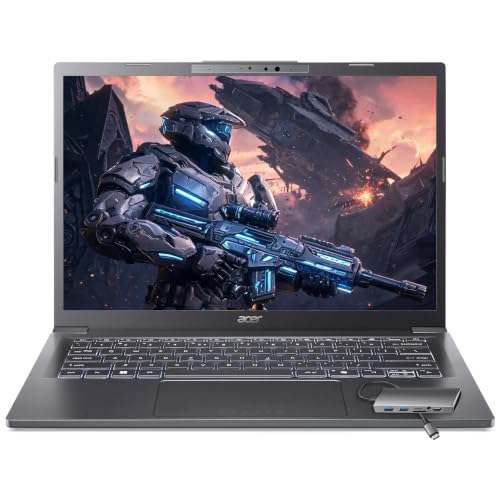
- Intel Core Ultra 7 with NPU for local AI photo editing
- 32GB RAM and 2TB SSD for large libraries and projects
- 14-inch touchscreen with stylus support for precise retouching
Best For: Photographers who want a portable touchscreen editing laptop with AI features
Workstation Pick

- 32GB RAM and 1TB SSD support heavy multitasking and storage
- Dedicated Nvidia Quadro graphics suit creative workloads
- 15.6-inch Full HD display offers more working space
Best For: Photographers who prefer a renewed workstation with dedicated graphics
Portable Mac Choice

- Liquid Retina display with 1 billion colors
- Up to 16 hours of battery life for all-day use
- 2.71-pound aluminum design is easy to carry
Best For: Casual editors and students who want a portable Mac for light photo editing
Budget Touchscreen Option
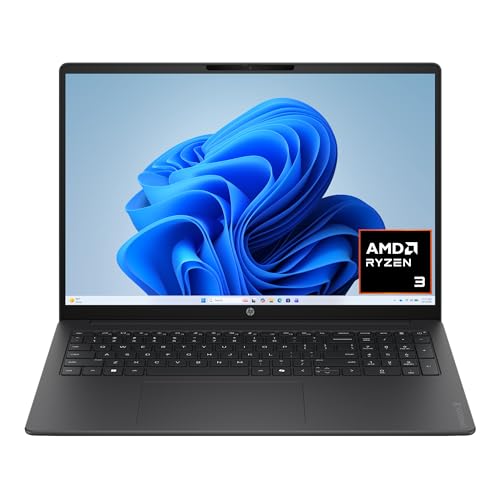
- 16-inch 1920x1200 IPS touchscreen for a roomy workspace
- Ryzen 3 and Radeon 610M for light photo editing
- Up to 14 hours 15 minutes of battery life
Best For: Buyers seeking a budget large-screen laptop for light photo editing
Workstation-Grade Creator Pick
Dell Precision 7680 with RTX 2000 Ada

- RTX 2000 Ada 8GB for creative performance
- Core i7-13850HX with 32GB DDR5 and 1TB SSD
- 16-inch FHD+ anti-glare display, 4-monitor support
Best For: Photographers and creators who need workstation-class power
Budget-Friendly Creator Option

- Ryzen 5 6600H for everyday multitasking
- 16GB DDR5, 512GB SSD, and upgrade room
- Radeon 660M suits light photo editing
Best For: Students and entry-level creators on a tighter budget
Premium Performance Workhorse
Dell Precision 7680 with i9 Power

- Core i9-13950HX for maximum processing power
- 32GB DDR5 CAMM RAM plus 1TB SSD
- 16-inch FHD+ anti-glare display and strong port mix
Best For: Professional creators who want top-end CPU performance
Portable 16-inch Creator Pick
Lenovo 16 IPS FHD+ i7-13620H 16GB 1TB SSD

- 16-inch WUXGA IPS panel with 16:10 layout
- Core i7-13620H plus 16GB DDR5 memory
- 1TB PCIe 4.0 SSD for large photo libraries
Best For: Editors who want a roomy screen and fast everyday performance
Workstation-Style Renewed Option
Dell Precision 5550 i7 32GB Quadro T1000

- 32GB RAM for large files and multitasking
- Nvidia Quadro T1000 4GB dedicated graphics
- Thunderbolt and USB-C connectivity
Best For: Buyers seeking a renewed workstation for heavier editing
Flexible 2-in-1 Editing Pick
Lenovo IdeaPad 2-in-1 Ryzen 7 8845HS 16GB 1TB

- 16-inch 1920 x 1200 touchscreen
- Ryzen 7 8845HS with up to 5.1GHz boost
- 1TB SSD plus 16GB LPDDR5 memory
Best For: Editors who want touch control and strong all-around performance
AI Creator Convertible – Acer Aspire 14" AI Touch Laptop
For laptops for photo editing, this Acer Aspire stands out with its Intel Core Ultra 7 processor, dedicated NPU, and Intel Arc 140V graphics. The 14-inch 1920×1200 touchscreen and 32GB of LPDDR5X memory make it a practical pick for retouching photos, juggling creative apps, and working in Lightroom with fewer slowdowns.
Best For: Photographers and creators who want a portable touchscreen laptop with strong local AI features and plenty of storage.
Pros:
- Intel Core Ultra 7 258V with NPU supports AI photo editing and other Copilot+ features locally.
- 32GB RAM and 2TB SSD give you generous headroom for large photo libraries and active projects.
- Intel Arc 140V graphics help speed up Lightroom and other GPU-accelerated creative tasks.
- 14-inch touchscreen with stylus support is useful for precise retouching and hands-on edits.
Cons:
- Integrated graphics are good for editing, but not a substitute for a high-end discrete GPU.
- 14-inch 1920×1200 display is sharp, though it is smaller than many desktop-replacement workstations.
This is a well-rounded choice if you want a lightweight editing machine with modern AI tools, lots of memory, and very fast storage. It looks especially appealing for photographers who value portability and touchscreen control.
Workstation Pick – Dell Precision 5550 Renewed
If you want a more traditional workstation among laptops for photo editing, the Dell Precision 5550 brings a 15.6-inch Full HD display, 32GB of RAM, and a dedicated Nvidia Quadro graphics card. Its hardware is aimed at heavier creative workloads, making it a solid fit for editing large image sets and running professional desktop apps.
Best For: Creators who want a renewed workstation with dedicated graphics and strong multitasking for photo editing.
Pros:
- 32GB RAM helps with multitasking and handling large photo projects.
- Dedicated Nvidia Quadro graphics can benefit creative workloads and GPU-assisted editing.
- 1TB SSD provides ample fast storage for images and project files.
- 15.6-inch 1080p display gives you more screen space than compact ultraportables.
Cons:
- It is a renewed older model, so it lacks the latest CPU platform and features.
- 1080p resolution is workable, but not as crisp as higher-resolution panels for detailed edits.
The Precision 5550 makes sense if you value workstation-style hardware over the newest design. For photo editing, it offers the kind of memory, storage, and dedicated graphics that can still serve well for serious desktop use.
Portable Mac Choice – Apple MacBook Neo 13-inch
For laptops for photo editing on the go, the Apple MacBook Neo focuses on portability, battery life, and a sharp Liquid Retina display. It has 8GB of unified memory and a 512GB SSD, so it is best suited to lighter photo workflows, everyday editing, and organizing images rather than demanding batch jobs.
Best For: Casual editors and students who want a lightweight Mac for everyday photo work and long battery life.
Pros:
- Liquid Retina display supports 1 billion colors for vibrant photo viewing.
- Up to 16 hours of battery life is helpful for all-day editing and travel.
- Very portable at 2.71 pounds with a durable aluminum design.
- Apple Intelligence and macOS support everyday productivity and creative tasks.
Cons:
- 8GB unified memory may feel limiting for larger photo libraries or heavier multitasking.
- Best suited to lighter editing rather than demanding professional workflows.
This MacBook is a good fit if you prioritize battery life, portability, and a color-rich screen. It is more of an everyday photo-editing companion than a power workstation.
Budget Touchscreen Option – HP OmniBook 3 16-inch Touch
The HP OmniBook 3 is a practical entry in laptops for photo editing if you want a larger touchscreen without paying for premium hardware. Its 16-inch 2K IPS panel, Ryzen 3 processor, and 8GB of RAM make it suitable for basic edits, organizing images, and general creative work, especially when display size matters more than raw speed.
Best For: Buyers who want an affordable large-screen touchscreen for light photo editing and everyday use.
Pros:
- 16-inch 1920×1200 IPS touchscreen gives you a roomy workspace with wide viewing angles.
- Ryzen 3 processor is positioned for everyday performance and smooth photo editing.
- Up to 14 hours and 15 minutes of battery life helps with long sessions away from an outlet.
- Wi-Fi 6, Bluetooth 5.4, and USB-C support add useful modern connectivity.
Cons:
- 8GB RAM is modest for larger catalogs or heavier multitasking.
- 256GB SSD may fill quickly if you store many raw photos locally.
This model is best viewed as a value-first option for lighter editing needs. The large touchscreen is the main attraction, while the internal specs keep it in the entry-level range.
Workstation-Grade Creator Pick – Dell Precision 7680 with RTX 2000 Ada
If you want laptops for photo editing with true workstation headroom, the Dell Precision 7680 is built for demanding creative workflows. Its RTX 2000 Ada GPU, 13th Gen Core i7 HX processor, and 32GB of DDR5 memory make it a strong fit for editing large image files, multitasking across creative apps, and driving external displays.
Best For: Photographers, designers, and creators who need workstation-class performance and broad connectivity.
Pros:
- NVIDIA RTX 2000 Ada 8GB adds dedicated graphics support for creative workloads.
- Core i7-13850HX, 32GB DDR5 CAMM RAM, and 1TB SSD handle heavy multitasking well.
- 16-inch FHD+ anti-glare display and support for up to 4 external 4K monitors.
- Two Thunderbolt 4 ports, USB-C, USB-A, HDMI, and Ethernet offer flexible connectivity.
Cons:
- The 45% NTSC panel may not suit users seeking the widest possible color coverage.
- At 5.9 pounds, it is not a lightweight travel laptop.
This is a serious creative workstation rather than a casual ultraportable, so it makes the most sense when performance, expandability, and port selection matter more than mobility.
Budget-Friendly Creator Option – NIMO 15.6 AI Creator Laptop
For shoppers looking at laptops for photo editing without moving into workstation pricing, the NIMO 15.6 AI Creator Laptop offers a practical balance of everyday performance and upgrade room. The Ryzen 5 6600H, 16GB of DDR5 memory, and Radeon 660M graphics are aimed at smooth multitasking, light photo editing, and general creator use.
Best For: Students, remote workers, and entry-level creators who want a capable everyday laptop with room to grow.
Pros:
- Ryzen 5 6600H provides 6 cores and 12 threads for responsive daily performance.
- 16GB DDR5 RAM and 512GB PCIe SSD deliver a solid out-of-box setup.
- Dual SO-DIMM slots and M.2 2280 storage support upgrades up to 64GB RAM and 4TB SSD.
- USB-C charging and a 53.58Wh battery add flexibility for work on the go.
Cons:
- Radeon 660M is integrated graphics, so it is better for light editing than heavy creative loads.
- The 15.6-inch FHD display is standard rather than color-focused.
This model makes sense if you want a straightforward creator laptop that handles everyday editing tasks and gives you upgrade options later, but it is not the strongest choice for advanced image pipelines.
Premium Performance Workhorse – Dell Precision 7680 with i9 Power
If your priority is maximum headroom in laptops for photo editing, this Dell Precision 7680 is the most powerful option in the group. The Core i9-13950HX processor, 32GB of DDR5 CAMM memory, and 1TB SSD are designed for fast multitasking and demanding professional workloads, while the 16-inch FHD+ anti-glare panel keeps the workspace practical.
Best For: Professional creators who want the highest performance and workstation features for demanding editing workflows.
Pros:
- Intel Core i9-13950HX offers top-tier processing power for heavy creative tasks.
- 32GB DDR5 CAMM RAM and 1TB SSD support fast multitasking and storage needs.
- 16-inch FHD+ anti-glare display is suited to long editing sessions.
- Thunderbolt 4, USB-C, USB-A, HDMI, and Ethernet provide excellent connectivity.
Cons:
- Integrated Intel UHD Graphics makes it less graphics-focused than the RTX-equipped model.
- Like most 7680 workstations, it is built for capability over portability.
This is the best fit when processor speed and workstation reliability matter more than dedicated graphics, especially for users who already rely on external displays and a full creative setup.
Portable 16-inch Creator Pick – Lenovo 16 IPS FHD+ i7-13620H 16GB 1TB SSD
If you want laptops for photo editing that balance screen size, speed, and storage, this Lenovo is a practical mainstream option. The 16-inch WUXGA IPS panel gives you extra vertical workspace for editing timelines and toolbars, while the Core i7-13620H, 16GB of DDR5 memory, and 1TB SSD should handle large photo libraries and everyday creative multitasking without feeling cramped.
Best For: Photo editors who want a roomy 16-inch screen, fast storage, and strong everyday performance in a portable chassis.
Pros:
- Intel Core i7-13620H provides strong multitasking performance for demanding apps and content creation.
- 16-inch WUXGA IPS display with a 16:10 aspect ratio offers extra vertical space for editing.
- 1TB PCIe 4.0 SSD gives you plenty of room for photos and fast file access.
- 16GB DDR5 memory helps keep editing and browsing smooth.
Cons:
- 45% NTSC color gamut is modest for color-critical work.
- Integrated graphics are not aimed at heavier GPU-accelerated editing tasks.
- HD 720p webcam and basic multimedia features are fairly standard.
This is a solid all-around pick if your photo editing workflow values speed, storage, and screen real estate more than premium color coverage.
Workstation-Style Renewed Option – Dell Precision 5550 i7 32GB Quadro T1000
Among laptops for photo editing, this renewed Dell Precision stands out for its workstation-style hardware and generous 32GB of RAM. The 15.6-inch FHD display is not as large as some alternatives, but the combination of an Intel Core i7-10850H, Nvidia Quadro T1000 4GB, and a professional-focused design makes it well suited to heavier editing workflows and multitasking.
Best For: Photo editors who want a refurbished workstation with plenty of RAM and dedicated graphics support.
Pros:
- 32GB of RAM is excellent for large files, multitasking, and heavier editing sessions.
- Nvidia Quadro T1000 4GB adds dedicated graphics support.
- Intel Core i7-10850H gives you strong high-performance CPU headroom.
- USB-C video output and Thunderbolt support add useful connectivity.
Cons:
- 15.6-inch 1080p display is smaller than 16-inch alternatives for editing workspace.
- Renewed condition may matter to buyers who prefer brand-new hardware.
- Battery life is listed at about 4 hours, which is modest.
If your priority is workstation-like specs over portability or modern display size, this Precision is a capable editing machine to consider.
Flexible 2-in-1 Editing Pick – Lenovo IdeaPad 2-in-1 Ryzen 7 8845HS 16GB 1TB
If you want laptops for photo editing with a flexible touch display, this Lenovo IdeaPad 2-in-1 is an appealing choice. Its 16-inch 1920 x 1200 touchscreen gives you more vertical room than standard 1080p panels, while the Ryzen 7 8845HS, 16GB of LPDDR5 memory, and 1TB SSD should keep creative apps and large photo folders moving smoothly.
Best For: Photo editors who want a touch-enabled 2-in-1 with strong performance and plenty of storage.
Pros:
- Ryzen 7 8845HS offers eight cores and up to 5.1GHz speeds for responsive performance.
- 16-inch 1920 x 1200 touch display provides extra workspace for editing.
- 1TB SSD and 16GB LPDDR5 RAM support smooth file handling and multitasking.
- Fingerprint reader, backlit keyboard, and camera privacy shutter add convenience.
Cons:
- Integrated Radeon 780M graphics are fine for general editing but not a substitute for a stronger dedicated GPU.
- At 6 pounds, it is heavier than many ultraportables.
- Display specs do not list a wide color gamut, which matters for color-focused work.
This is a strong pick if you value touch input, a 16:10-style workspace, and a modern CPU for everyday photo editing tasks.
How We Picked the Best Laptops for Photo Editing
We focused on the features that matter most for editing still images: display quality, processor performance, RAM, SSD capacity, and GPU support where it helps with accelerated tasks. We also considered portability, build quality, and whether each model makes sense for hobbyists, students, and professionals.
For Laptops for Photo Editing, a strong screen and fast multitasking usually matter more than raw benchmark numbers alone. That means a balanced system often beats an overpowered laptop with a poor panel.
Quick Comparison: What Matters Most
If you edit mostly in Lightroom or Photoshop, prioritize a bright, color-accurate display and at least 16GB of RAM. If you work with large RAW batches, high-resolution files, or multiple apps at once, 32GB RAM and a larger SSD will make a noticeable difference. For advanced editing, a workstation GPU can help with preview rendering, effects, and smoother responsiveness.
Key Buying Factors for Laptops for Photo Editing
Display Quality
Look for a sharp IPS or OLED panel with solid color reproduction. Higher resolution helps with detail work, while touch support can be useful if you prefer direct interaction. If color-critical work is part of your routine, check for wide-gamut coverage and good factory calibration.
Memory and Storage
RAM affects how many apps and large files you can keep open comfortably. Sixteen gigabytes is a practical minimum for most users, while 32GB is better for heavy editing. Fast SSD storage improves import times, catalog loading, and overall responsiveness.
CPU and GPU Performance
Modern multi-core processors speed up exports, previews, and batch edits. A dedicated GPU is not required for every user, but it can help with certain creative tools and larger projects. Creator-focused and workstation laptops often provide the best long-term headroom.
Who Should Buy What
Beginners and casual editors can usually get by with a well-balanced mainstream laptop that has a good screen, 16GB RAM, and a fast SSD. Enthusiasts handling larger image libraries should aim for 32GB RAM and more storage. Professionals working in high-volume or color-sensitive environments should lean toward the workstation options in this roundup, especially if reliability and sustained performance matter most.
In short, the best Laptops for Photo Editing are the ones that fit your image workload, software habits, and budget without forcing compromises in display or memory.