Great phone-based podcast audio is less about the app and more about the recorder or mic you pair with it. The right setup can make interviews sound cleaner, reduce background noise, and give you more control on the move.
Below, we’ve rounded up 10 standout options for creators who want a portable podcast recorder for phone use, whether you need a simple plug-and-play mic or a more flexible multi-input recorder.
Best 10 Portable Podcast Recorder for Phone Picks for 2026
Multi-Mic Podcast Hub
Zoom PodTrak P4 for Phone Interviews

- 4 XLR mic inputs with phantom power
- Automatic Mix-Minus for phone and remote calls
- 4 headphone outputs plus sound pads
Best For: Multi-host podcasts and call-in interviews
Dual-Voice Mobile Mic
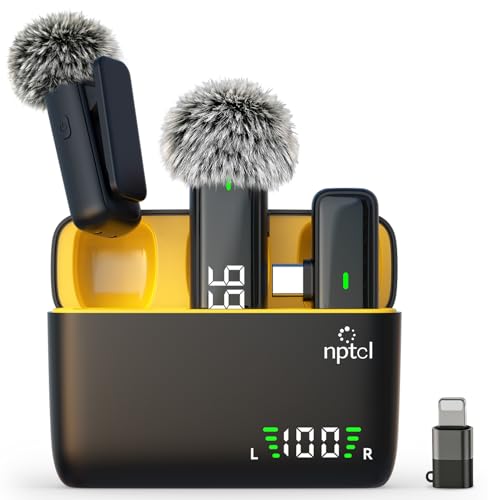
- Two mics for two-person recordings
- Plug-and-play with no app or Bluetooth
- 24-hour case, 70-foot wireless range
Best For: Fast phone interviews and mobile podcasts
Ultra-Portable Stereo Recorder
Zoom H1 Essential for Phone Use

- Built-in X/Y stereo mics
- USB-C mic mode for phones and calls
- 32-bit float recording in a 92 g body
Best For: Solo creators needing a tiny recorder with USB mic support
Simple Wireless Interview Kit

- Two wireless mics for two speakers
- USB-C and iOS adapter support
- 98-foot wireless range with noise reduction
Best For: Easy two-person phone interviews
Portable voice recorder

- 360° pickup with noise reduction
- 64GB storage and long battery life
- Voice activation and playback controls
Best For: Portable speech recording and quick file transfer
Phone-ready podcast recorder
Zoom PodTrak P2 Podcast Recorder

- Two USB mic inputs with headphone monitoring
- Mix-Minus for phone or computer guests
- AI noise reduction plus SD card recording
Best For: Two-person mobile podcasts with remote guests
Wireless phone mic kit

- Works with iPhone, Android, and more
- Plug-and-play with no app required
- Two mics with long wireless range
Best For: Fast phone-based interviews and mobile content
Studio-Style Phone Podcast Hub
Zoom PodTrak P4next with AI Noise Reduction

- Four XLR inputs for multi-person podcast sessions
- Direct phone connection for recording into video
- AI tools and separate headphone mixes simplify monitoring
Best For: Podcast teams and creators recording multiple voices straight to a phone
Ultra-Light Wireless Clip-On Option
3-in-1 Wireless Mini Lavalier Mic

- Works with USB-C, Lightning, and 3.5mm devices
- Plug-and-play setup with noise reduction and auto-sync
- Lightweight design and 70-foot wireless range
Best For: Solo creators who need a compact wireless mic for phone recording
Two-Mic Budget Interview Kit
KUKIHO 2-Pack Wireless Lavalier Microphones

- Two included mics for recording two speakers
- Receiver can charge your phone during use
- Noise reduction and 66-foot wireless range
Best For: Two-person phone interviews and simple mobile podcast setups
Multi-Mic Podcast Hub – Zoom PodTrak P4 for Phone Interviews
If you want a portable podcast recorder for phone interviews that can handle more than just one voice, the Zoom PodTrak P4 is built for the job. It combines four XLR inputs, phone and USB interview support, and onboard sound pads in a compact, battery-powered recorder.
Best For: Podcast hosts who need a compact recorder for multi-person shows, call-in interviews, and remote guest recording.
Pros:
- Four XLR mic inputs with phantom power for multi-host recordings
- Automatic Mix-Minus supports call-in phone interviews and remote interviews via TRRS or USB
- Four headphone outputs with individual volume control
- Battery powered, with up to 3.5 hours on 2 AA batteries
Cons:
- Battery life is limited compared with larger studio-style units
- More recorder than needed if you only want a simple single-mic phone setup
The P4 stands out when you need flexible podcast recording around a phone, especially for interviews and co-hosted episodes. Its mix of input options and onboard controls makes it a practical portable option for serious mobile podcasting.
Dual-Voice Mobile Mic – NPTCL Wireless Lavalier Set
This portable podcast recorder for phone users is really a wireless lavalier mic set, and it is aimed at quick mobile recording rather than full multi-track production. The NPTCL system is designed for plug-and-play use with USB-C phones and iPhone support, making it easy to start recording interviews, vlogs, and podcasts fast.
Best For: Creators who want a simple wireless mic setup for two-person phone recordings on the go.
Pros:
- Two-pack system supports simultaneous recording by two speakers
- Plug-and-play setup with no app or Bluetooth needed
- Up to 24 hours of use with the charging case, with 6 hours per mic per charge
- Noise reduction, windscreen cover, and stable wireless recording up to 70 feet
Cons:
- It is a microphone kit, not a full recorder with onboard storage or editing features
- Best suited to phone and mobile device workflows rather than traditional studio use
For simple phone-based podcasting, this kit focuses on convenience and wireless freedom. It is a good fit if you want clear two-person capture without carrying a larger recorder.
Ultra-Portable Stereo Recorder – Zoom H1 Essential for Phone Use
The Zoom H1 Essential is a compact portable podcast recorder for phone workflows when you want cleaner audio than a phone alone can deliver. With built-in X/Y stereo mics, USB-C microphone mode, and 32-bit float recording, it is designed for quick capture of podcasts, interviews, voiceovers, and content on the move.
Best For: Solo creators and interviewers who want a lightweight recorder that doubles as a USB microphone.
Pros:
- Built-in X/Y stereo microphones for quick, polished recording
- USB-C microphone mode for livestreams, calls, and mobile/desktop recording
- 32-bit float recording helps capture clip-free audio
- Very lightweight at 92 g and powered by 2 AAA batteries
Cons:
- Only stereo capture, so it is not a multi-mic podcast mixer
- Battery setup relies on AAA cells rather than a built-in rechargeable pack
If you want a travel-friendly recorder that is easy to carry and simple to use with a phone or computer, the H1 Essential is a strong pick. It is especially appealing for creators who value portability and clean stereo recording over advanced mixing.
Simple Wireless Interview Kit – CZOCPOS 2-Pack Phone Mic
This portable podcast recorder for phone setups is a two-pack wireless lavalier mic kit made for fast recording with minimal setup. It plugs into USB-C or iOS devices, supports two speakers, and adds noise reduction and mute options for interviews, video shoots, and podcast clips.
Best For: Phone users who want an easy two-mic wireless setup for interviews and casual podcast recording.
Pros:
- Two microphones support simultaneous recording by two people
- Plug-and-play connection with USB-C and iOS adapter support
- Up to 98 feet of stable wireless transmission
- Built-in noise reduction, mute mode, and reverb mode
Cons:
- Battery life is limited to up to 5 hours per charge
- It is a mic system, not a standalone recorder with onboard storage
This kit is a practical choice if your priority is quick, wireless phone recording for two people. It keeps setup simple while covering the basics for mobile interviews and creator content.
Portable voice recorder – EVISTR 64GB Digital Recorder
If you want a portable podcast recorder for phone-style interviews, meetings, or field notes, the EVISTR L357 is built more like a compact voice capture tool than a full podcast rig. It focuses on high-quality on-device recording with noise reduction, voice activation, and easy file handling, which makes it a practical option when you need reliable audio without extra setup.
Best For: Students, interviewers, and solo creators who want a simple handheld recorder for clean voice capture and easy transfer to a computer.
Pros:
- 360° pickup with dynamic noise reduction and PCM intelligent noise reduction
- 7 levels of recording gain and voice activation to reduce silent gaps
- 64GB storage, USB-C charging, and up to 32 hours of recording per charge
- Playback features include A-B repeat, rewind, and variable speed
Cons:
- Not a phone-connected podcast interface or multitrack recorder
- Designed primarily for direct recording rather than live streaming
- Best results depend on setting gain and voice activation correctly
The EVISTR is a straightforward choice if your priority is clean, portable recording with minimal fuss. It is especially useful when you want a pocketable device for capturing speech clearly and then moving files to a Windows or Mac computer later.
Phone-ready podcast recorder – Zoom PodTrak P2 Podcast Recorder
The Zoom PodTrak P2 is a strong fit if you need a portable podcast recorder for phone-based interviews and simple two-person sessions. It lets you plug in two USB mics, connect a phone or computer for a remote guest, and record while streaming, so it covers the core workflow of a mobile podcast setup without a complicated mixer.
Best For: Two-host or interview podcasts that need USB mic inputs, phone connectivity, and an easy battery-powered setup.
Pros:
- Two USB mic inputs and two headphone outputs for a simple dual-voice setup
- Mix-Minus support helps prevent echo when bringing in a remote guest from a phone or computer
- AI noise reduction, tone shaping, compressor, and de-esser reduce post-production work
- Can record to SD card while streaming live, and runs on batteries for portable use
Cons:
- Up to 4 hours on AA batteries may be limiting for long sessions
- Designed around USB mics, not traditional XLR inputs
- Best suited to simple podcasts rather than larger multi-mic productions
For creators who want a compact recording hub that works smoothly with a phone and keeps setup simple, the PodTrak P2 is very capable. It is especially appealing when you want quick, clean interview recordings and less time spent fixing audio later.
Wireless phone mic kit – MAYBESTA 2-Pack Lavalier Mic
If your idea of a portable podcast recorder for phone is a lightweight, plug-and-play mic setup, the MAYBESTA wireless mini microphone kit is a useful option. It is built for fast phone recording with no app or adapter setup, and the two-mic package makes it practical for interviews, vlogs, and casual podcast-style conversations on the go.
Best For: Creators who want an easy wireless mic solution for phone interviews, streaming, and quick recording sessions.
Pros:
- Compatible with iPhone, Android, iPad, laptop, and tablet devices
- Plug-and-play setup with no app required
- Up to 70 ft wireless range and about 16 hours total recording time for two mics
- Noise reduction chip and windscreen help keep speech clearer
Cons:
- It is a mic kit, not a standalone recorder with built-in storage
- Wireless performance depends on pairing and connection conditions
- Best for direct-to-phone recording rather than offline capture
This is a smart pick if you want to keep your podcast kit simple and mobile. It handles the microphone side of phone recording well, especially when you need quick setup and freedom to move during interviews or content shoots.
Studio-Style Phone Podcast Hub – Zoom PodTrak P4next with AI Noise Reduction
If you want a portable podcast recorder for phone that can handle multi-person sessions without a complicated setup, the Zoom PodTrak P4next is built for exactly that. It lets you record four XLR microphones, connect a call-in guest, and send clean audio straight into your phone video, so you can capture usable content without extra syncing or editing.
Best For: Podcast teams, interview setups, and creators who want direct-to-phone recording with multiple mics.
Pros:
- Four XLR inputs support recording up to four in-person voices plus a call-in guest.
- AI noise reduction, Tone Enhancement, and COMP help simplify mixing.
- Four headphone outputs with separate volume controls make monitoring easier for everyone.
- Can connect to your phone to capture high-quality audio directly into video.
Cons:
- Bulkier and more complex than a simple clip-on phone mic.
- Designed around XLR podcasting, so it is not the most minimalist option.
The P4next is a strong pick if your phone-based podcasting needs room to grow beyond one-on-one recording. Its value comes from turning a mobile setup into a real studio workflow with fewer steps between recording and publishing.
Ultra-Light Wireless Clip-On Option – 3-in-1 Wireless Mini Lavalier Mic
If you need a portable podcast recorder for phone that stays out of the way, this 3-in-1 wireless mini lavalier mic is a practical grab-and-go choice. It works with iPhone, Android, tablets, laptops, and cameras through USB-C, Lightning, or 3.5mm, and the plug-and-play design keeps setup simple for quick interviews, vlogs, and casual podcast recording.
Best For: Solo creators and on-the-go podcasters who want a lightweight wireless mic for phones and other devices.
Pros:
- 3-in-1 receiver supports USB-C, Lightning, and 3.5mm connections.
- Built-in noise reduction and auto-sync help keep speech clear and aligned with video.
- Wireless range up to 70 feet adds flexibility for handheld or clipped recording.
- Lightweight design includes a carrying case for easy transport.
Cons:
- Single-channel setup is better for one speaker than full roundtable sessions.
- Battery life is around 7 hours, which may be limiting for long shoot days.
This mic makes sense when portability and speed matter more than a full studio kit. It is especially useful if you want one small wireless solution that can move between phone, tablet, and camera without extra gear.
Two-Mic Budget Interview Kit – KUKIHO 2-Pack Wireless Lavalier Microphones
For buyers looking for a portable podcast recorder for phone setup that can handle two people, this 2-pack wireless lavalier kit offers a simple path to clear voice capture. The plug-and-play design skips Bluetooth and apps, while the receiver can even charge your phone during use, which is helpful for longer recording sessions.
Best For: Two-person interviews, mobile podcasting, and creators who need a simple phone mic kit with charging support.
Pros:
- Includes two microphones, making it easy to record two speakers at once.
- Receiver can charge your phone while you record.
- Built-in noise reduction chip helps reduce low-frequency background noise.
- Wireless range reaches up to 66 feet in unobstructed spaces.
Cons:
- Battery life is limited to up to 4 hours per charge.
- Best suited to phone and compatible port setups rather than broad pro audio rigs.
This kit is a sensible pick if your podcasting is mostly interviews or two-person content and you want to keep the workflow simple. It gives you a practical wireless audio setup without adding much complexity or bulk.
How We Picked the Best Portable Podcast Recorder for Phone
We focused on phone-friendly recorders and wireless mic systems that are practical for real-world podcasting. Priority went to models with easy setup, dependable audio quality, low-latency or plug-and-play operation, and features that help creators record interviews, voice notes, and field segments without extra hassle.
We also considered whether a Portable Podcast Recorder for Phone use would fit solo creators, two-person conversations, or more advanced multi-guest workflows. Battery life, monitoring, noise reduction, and app-free recording convenience were all important factors.
Quick Comparison
If you want the simplest setup, a compact wireless lavalier kit is usually the fastest path to better phone audio. If you need more control, a dedicated recorder with multiple inputs, headphone monitoring, and built-in processing will be a better fit.
In general, wireless mini mics are best for mobility and short-form content, while podcast recorders with XLR or USB inputs are better for hosted shows, interviews, and recurring production.
Key Buying Factors for Portable Podcast Recorder for Phone
Connection Type
Check whether the device works through USB-C, Lightning, TRRS, or a wireless receiver. The best choice depends on your phone model and whether you want a direct wired connection or a cable-free setup.
Input Count and Use Case
One mic is enough for solo recording, but two inputs help with interviews. If you plan to host guests, look for a recorder with multiple mic inputs and independent monitoring.
Monitoring and Controls
Headphone outputs, gain control, and onboard level monitoring make a huge difference when recording on the go. These features help you catch clipping, noise, or connection issues before they ruin a take.
Noise Reduction and Audio Processing
Built-in noise reduction can help in busy environments, but it should support clean recording rather than replace good mic placement. For voice-first creators, simple tone controls and compression can also be useful.
Battery Life and Portability
A true Portable Podcast Recorder for Phone work should be easy to carry, quick to set up, and reliable on battery power. For travel, field interviews, and event coverage, compact size matters as much as audio quality.
Who Should Buy Which Portable Podcast Recorder for Phone?
Solo creators and short-form video makers will usually be happiest with a wireless lavalier system because it is quick, light, and easy to pair with a phone. Interviewers and podcasters should look at dedicated recorders if they need better monitoring, multiple inputs, or more consistent control over levels.
If you are building a more serious mobile studio, choose the model that matches your future workflow, not just your current one. The best setup is the one you will actually carry, connect, and use every time you record.