Choosing the right USB-C thermal imaging camera can make inspections faster, easier, and far more accurate. Whether you are checking for air leaks, moisture problems, or electrical hotspots, the right model gives you a clear thermal view in seconds.
Below, we break down the best options for 2026 based on image quality, temperature range, compatibility, portability, and overall value so you can buy with confidence.
Best 10 USB C Thermal Imaging Camera Picks for 2026
Phone-Powered Detail
Thermal Master P1 320x240 USB-C Thermal Camera
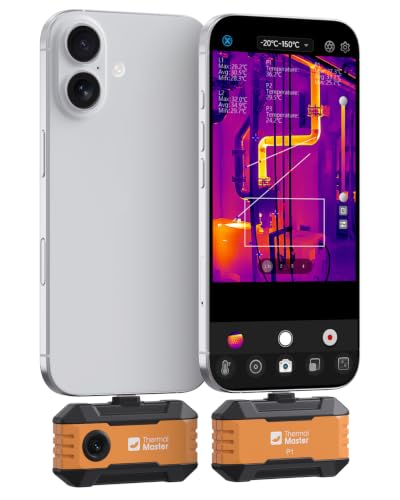
- USB-C phone, tablet, and Windows compatibility
- Enhanced 320x240 detail from native 160x120 sensor
- Runs on phone power for about 5-8 hours
Best For: Quick field checks without carrying a separate battery
Mini Standalone Inspector
TOPDON TC004 Mini 240x240 Thermal Camera

- 240x240 enhanced imaging with 25Hz refresh
- 15-hour battery life with auto shutoff
- Stores up to 8,000 photos in built-in memory
Best For: Long inspections where a self-contained handheld camera is easier than a phone accessory
Android-First Imaging
FLIR One USB-C Thermal Camera for Android

- USB-C compatibility for Samsung Galaxy, Pixel, and more
- 240x180 super resolution with MSX image merging
- Includes inspection guides for leaks and moisture
Best For: Android users who want guided thermal inspections and FLIR MSX enhancement
High-Detail Android Scanner
TOPDON TC001 512x384 Android Thermal Camera

- Enhanced 512x384 resolution from a 256x192 base
- Low 0.35W power draw with 4-7 hours runtime
- Point, line, and surface measurements with 9 palettes
Best For: Android users who want maximum image detail and measurement flexibility
Portable Plug-and-Play Pick
USB-C Smartphone Thermal Camera

- 192x192 infrared sensor
- 50° field of view
- Plug-and-play USB-C setup
Best For: Quick inspections on phones without batteries or pairing
Enhanced Detail Option

- 256x192 IR with 512x384 TISR
- 3 measurement modes and 10 palettes
- 4-7 hours of low-power operation
Best For: Android and PC users needing more detailed thermal analysis
Feature-Packed Inspector
REVASRI 320x240 Thermal Camera
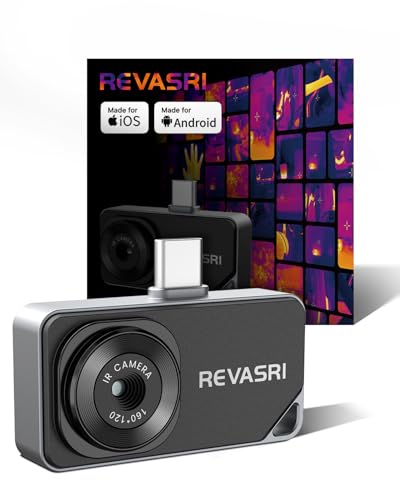
- 320x240 super resolution
- 25Hz refresh with 15x zoom
- IP54 and 1-meter drop protection
Best For: Inspectors who want extra tools for leak, HVAC, and electrical work
iPhone 15 Pro Thermal Pick

- USB-C direct connection for iPhone 15 and newer
- 240x180 super resolution from 80x60 native IR
- Inspection guides and MSX detail in the app
Best For: iPhone 15 and newer users who want guided thermal inspections
Pocket Scan Option
YXP96 Android USB-C Thermal Camera

- USB-C OTG plug-in with phone-powered operation
- 25Hz scan rate for smoother live viewing
- 96x96 IR and broad temperature range
Best For: Android users needing a pocketable thermal screening tool
High-Detail All-Rounder
GOYOJO 192x192 USB-C Thermal Imager

- 192x192 IR resolution with 12μm pixel pitch
- Works with Android and iPhone 15/16/17 via USB-C
- 50° field of view and ±2% accuracy
Best For: Users who want a higher-resolution phone thermal camera for mixed use
Phone-Powered Detail – Thermal Master P1 320×240 USB-C Thermal Camera
If you want a USB C thermal imaging camera that stays truly portable, the Thermal Master P1 is built for quick field checks from a phone, tablet, or Windows device. Its app-based workflow, 25Hz refresh, and enhanced 320×240 detail make it a practical pick for spotting heat patterns during HVAC, electrical, automotive, and insulation inspections.
Best For: Users who want a compact phone-powered thermal camera for fast everyday troubleshooting.
Pros:
- USB-C compatibility with iPhone, Android, tablets, and Windows devices
- Enhanced 320×240 viewing from a native 160×120 sensor with X³ technology
- Wide -4°F to 1112°F temperature range for home, HVAC, and electrical work
- Includes hot/cold alarms, isotherm mode, and adjustable emissivity settings
Cons:
- Lightning iPhones need a separate Type-C to Lightning adapter
- Relies on phone power rather than an internal battery
- Best suited to inspection tasks rather than heavy-duty standalone use
Overall, the P1 is a strong choice if you want a pocket-size USB C thermal imaging camera with useful imaging tools and no charging hassle. It favors convenience and field mobility while still offering enough detail for common diagnostic jobs.
Mini Standalone Inspector – TOPDON TC004 Mini 240×240 Thermal Camera
The TOPDON TC004 Mini is a handheld USB C thermal imaging camera alternative for buyers who want a self-contained unit with a long battery life and built-in storage. Its 240×240 enhanced image quality, 25Hz refresh rate, and temperature alerts make it useful for home checks, leak detection, and electrical inspections.
Best For: Buyers who want a portable thermal camera with long runtime and automatic photo capture.
Pros:
- Enhanced 240×240 imaging with 128×128 native thermal resolution
- 15-hour battery life with automatic shut-off options
- Built-in storage for up to 8,000 photos
- On-screen high/low temperature alerts and auto photo capture
Cons:
- Lower native resolution than higher-end handheld options
- Charging head is not included
- May be more camera than needed for very casual users
If you value independence from a phone and want a compact tool that can keep going all day, the TC004 Mini is a compelling option. It combines useful alert features with a durable pocket-friendly design for routine diagnostic work.
Android-First Imaging – FLIR One USB-C Thermal Camera for Android
For Android users shopping for a USB C thermal imaging camera, the FLIR One is a straightforward plug-in option designed for Samsung Galaxy, Google Pixel, and other USB-C phones. It combines MSX image merging, app-based inspection guides, and a compact jobsite-ready body for finding leaks, moisture, and other common issues.
Best For: Android phone owners who want FLIR’s MSX image enhancement and guided inspections.
Pros:
- Direct USB-C compatibility with Android phones
- 240×180 super resolution output from an 80×60 native IR sensor
- MSX technology merges thermal and visual images in real time
- Built-in inspection guides for common home fault checks
Cons:
- Designed for Android USB-C devices, not broad cross-platform use
- Native IR resolution is lower than some newer competitors
- Battery life is listed at about 1 hour
The FLIR One is a solid fit if you want a proven app-driven thermal camera with guided workflows rather than raw specs alone. It is especially appealing for practical home inspections where MSX detail can make patterns easier to interpret.
High-Detail Android Scanner – TOPDON TC001 512×384 Android Thermal Camera
The TOPDON TC001 is aimed at buyers who want a high-resolution USB C thermal imaging camera for Android phones, tablets, and PC use. With 512×384 enhanced output, 25Hz refresh, and low power draw from the connected device, it is built for detailed temperature analysis in compact form.
Best For: Users who want the sharpest Android-connected thermal view in this group for detailed diagnostics.
Pros:
- Enhanced 512×384 imaging from a 256×192 thermal base
- Very low power use at 0.35W with 4-7 hours of runtime on supported phones
- Measures from -4°F to 1022°F with ±2% accuracy
- Offers point, line, and surface measurements plus 9 color palettes
Cons:
- Not compatible with iOS and not for iPhone 15
- Requires Android phone support for TISR before purchase
- More dependent on app/device compatibility than a standalone camera
The TC001 stands out when image clarity matters most and you want more analytical tools than a basic plug-in camera provides. It is a strong match for technically minded users who need detailed measurements and flexible display modes.
Portable Plug-and-Play Pick – USB-C Smartphone Thermal Camera
If you want a USB C thermal imaging camera that turns a phone into a practical inspection tool, this GW192A model keeps things simple: plug it in, open the app, and start scanning. Its 192×192 infrared sensor, wide 50° field of view, and broad temperature span make it a solid fit for quick checks around walls, panels, HVAC systems, vehicles, and plumbing.
Best For: Homeowners, DIYers, and technicians who want a compact plug-and-play thermal camera for everyday diagnostics.
Pros:
- USB-C plug-and-play design with no batteries or pairing required
- 192×192 thermal resolution with a 12μm pixel pitch for detailed inspection
- Wide 50° field of view for scanning larger areas faster
- -4°F to 752°F range with ±2% accuracy for common fault-finding jobs
Cons:
- Designed for smartphone use, so it depends on your phone and app setup
- Lower resolution than higher-end thermal cameras in this roundup
Overall, this is a straightforward USB-C thermal imaging camera for users who value easy setup and portability over advanced software features. It fits well for leak checks, electrical hotspot detection, and home energy inspections without adding much bulk.
Enhanced Detail Option – M256 Android Thermal Imager
This USB C thermal imaging camera is built for users who want more detail from a compact Android-compatible thermal imager. The AMPBANK M256 combines 256×192 IR resolution with 512×384 TISR enhancement, 3D thermal analysis, and multiple measurement modes, making it a strong option for longer fault checks in homes, equipment, and job sites.
Best For: Android users and inspectors who want enhanced image detail, longer runtime, and versatile measurement tools.
Pros:
- 256×192 IR resolution with 512×384 TISR enhanced imaging
- Three measurement modes plus 10 color palettes for flexible analysis
- Low 0.35W power use supports 4-7 hours of continuous operation
- Compact 30g design with Android and PC plug-and-play compatibility
Cons:
- Focuses on Android and PC use, not broad iPhone support
- Best suited to users who will take advantage of the extra measurement modes
For buyers comparing thermal cameras, this model stands out when image enhancement and battery efficiency matter more than simplicity alone. It offers a practical mix of portability, compatibility, and measurement depth for inspections and maintenance tasks.
Feature-Packed Inspector – REVASRI 320×240 Thermal Camera
If you need a USB C thermal imaging camera with more inspection features built in, the REVASRI model is worth a look. It supports iOS, Android, and Windows, delivers 320×240 super resolution, and adds useful tools like temperature tracking, high/low alarms, 15x zoom, and picture-in-picture viewing for more efficient troubleshooting.
Best For: Users who want a feature-packed plug-in thermal camera for leak detection, HVAC work, and electrical inspections.
Pros:
- 320×240 super resolution with a 25Hz refresh rate
- High/low temperature alarms, tracking, and 15x electronic zoom
- USB-C plug design with no battery needed
- IP54 waterproof rating and 1-meter drop protection
Cons:
- Requires the dedicated Camera+ app from the QR code instructions
- More features may be more than casual users need
As a practical inspection tool, this camera balances resolution, speed, and added measurement features better than basic plug-in models. It is a strong choice if you want a compact thermal camera for home, HVAC, panel, or automotive checks with a little extra durability.
IPhone 15 Pro Thermal Pick – FLIR ONE for USB-C iPhones
If you want a USB C thermal imaging camera for an iPhone 15 or newer, the FLIR ONE is built for quick on-phone inspections. It plugs directly into the USB-C port, uses FLIR MSX to blend thermal and visual detail, and applies super resolution to present a clearer view for finding air leaks, moisture, and other hidden issues.
Best For: iPhone 15 and newer users who want a rugged, inspection-focused thermal camera for home, automotive, and jobsite use.
Pros:
- USB-C plug-in design for iPhone 15 and newer
- 240×180 super resolution from 80×60 native IR
- FLIR MSX helps add visible detail to thermal scenes
- Includes inspection guides in the app for common faults
Cons:
- Works with iPhones using USB-C, not broader phone compatibility
- Native IR resolution is lower than the upscaled image
- Best temperature accuracy depends on the stated scene and ambient ranges
Overall, this is the most polished option here if you value guided inspections and a trusted thermal platform over raw spec chasing. It is also the toughest build in the group, with a 1.5 meter drop rating for field work.
Pocket Scan Option – YXP96 Android USB-C Thermal Camera
This USB C thermal imaging camera is aimed at fast everyday checks on Android phones. The YXP96 plugs into a USB-C OTG phone, draws power from the device, and offers a pocket-sized thermal feed with 25Hz scanning for easier spot checks around the home or jobsite.
Best For: Android users who want a compact plug-in thermal camera for quick DIY screening, leak tracing, and electrical checks.
Pros:
- Plug-and-play USB-C design with no battery charging to manage
- 25Hz real-time scan helps reduce lag during sweeps
- 96×96 IR resolution is tuned for thermal contrast spotting
- Wide -4°F to 1022°F range supports many common tasks
Cons:
- 96×96 resolution is practical, not high-detail
- Android-only compatibility is stated in the product notes
- Better for screening than precision diagnostics
For buyers who want a small, always-ready thermal tool, this model makes sense as an EDC-style add-on. Its strength is convenience and smooth scanning rather than the highest image detail.
High-Detail All-Rounder – GOYOJO 192×192 USB-C Thermal Imager
The GOYOJO is a USB C thermal imaging camera built for users who want more detail from a phone-connected imager. With 192×192 infrared resolution, a 50° field of view, and plug-and-play support for Android and iPhone 15/16/17 series phones, it is positioned for leak detection, HVAC checks, electrical troubleshooting, and automotive work.
Best For: Android and iPhone users who want a compact, higher-resolution thermal camera for home inspections and professional diagnostics.
Pros:
- 192×192 IR resolution with a 12μm pixel pitch sensor
- Compatible with Android and iPhone 15/16/17 series via USB-C
- Wide 50° field of view helps scan walls, ceilings, and floors
- Broad -4°F to 752°F range with ±2% accuracy
Cons:
- Higher-spec design may be more than casual users need
- Temperature ceiling is lower than some broader-range competitors
- Like other phone add-ons, it depends on a supported app workflow
This is the strongest pick if you want a balance of resolution, compatibility, and portability. It stands out as the most versatile option for buyers who may use one tool for both DIY and more serious inspection tasks.
How We Picked the Best USB C Thermal Imaging Camera
We focused on the features that matter most in real-world use: thermal resolution, refresh rate, temperature range, device compatibility, durability, and ease of use. We also considered whether each USB-C thermal imaging camera is practical for common jobs like HVAC checks, plumbing leaks, home energy audits, and electrical troubleshooting.
For buyers, the most important balance is not just raw resolution, but how clearly the image displays heat differences during quick scans and close-up inspections.
Quick Comparison: What Matters Most
If you want the sharpest detail, look for higher thermal resolution and strong image enhancement. If you need faster live viewing, prioritize a 25Hz refresh rate. If you plan to inspect ducts, outlets, appliances, or walls, temperature range and accuracy are just as important as pixel count. For phone-based tools, make sure the connector and operating system support your device before buying.
Key Buying Factors for a USB C Thermal Imaging Camera
Thermal Resolution
Higher resolution generally means better detail, which helps when identifying small hot spots, insulation gaps, or tiny leaks. Entry-level models can still work well for basic diagnostics, but higher-resolution units are easier to interpret.
Temperature Range and Accuracy
Choose a model that covers the temperatures you expect to measure. Wider ranges are useful for electrical and mechanical work, while accuracy matters when comparing surfaces that are only slightly different in temperature.
Compatibility and Connection
A USB C Thermal Imaging Camera should work cleanly with your phone or tablet without adapters whenever possible. Check support for Android, iPhone 15 and newer, or tablets if you plan to use a larger screen in the field.
Refresh Rate and Image Stability
A smoother refresh rate makes moving scans easier to follow and reduces lag when sweeping across walls, ceilings, or equipment. This is especially helpful for inspections that require quick decisions.
Portability and Build Quality
Compact models are easier to carry in a tool bag, but durability matters too. If you will be using the camera on job sites, look for solid construction and drop resistance where available.
Who Should Buy Which USB C Thermal Imaging Camera?
Homeowners and DIY users can often get great results from compact, budget-friendly models that handle leak detection and energy loss checks. HVAC technicians and electricians should look for stronger resolution, smoother refresh, and a wider temperature range for more precise work.
If you want the most flexible setup, choose a model with broad device support and a balance of image quality and portability. If you are buying for professional inspections, prioritize clarity and measurement confidence over the lowest price.