The best wireless smart home hubs bring lights, sensors, locks, cameras, and other connected devices into one easier-to-manage system. They can also improve automation reliability by reducing dependence on separate apps and cloud services.
This roundup compares 10 standout hubs for different priorities, including broad protocol support, advanced automation, simple voice control, security devices, and brand-specific ecosystems.
Best 10 Wireless Smart Home Hubs Picks for 2026
Best Overall
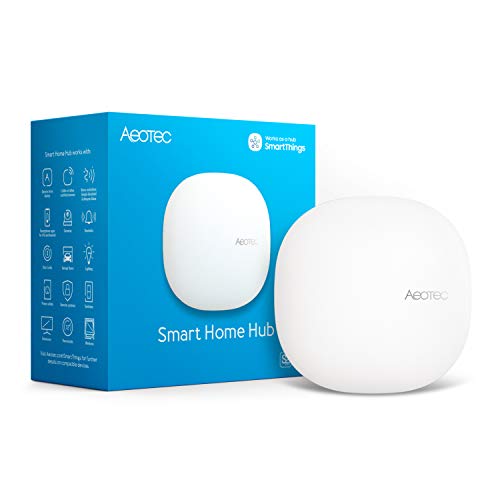
- Supports Matter, Zigbee, Z-Wave Plus, and Wi-Fi
- Works with Alexa and Google Home
- Offers Wi-Fi or Ethernet setup
Best For: Multi-brand smart homes using SmartThings automation
Best for Tapo Devices

- Supports up to 64 Tapo devices
- Includes a built-in chime and up to 90 dB siren
- Uses 2.4GHz Wi-Fi and low-power device connectivity
Best For: Tapo sensors, switches, buttons, and home alerts
Best Touchscreen Controller

- 8-inch customizable smart home dashboard
- Built-in support for Zigbee, Matter, Thread, and Wi-Fi
- Controls cameras, routines, security, and media
Best For: Alexa-centered homes wanting an easy shared control panel
Best for Advanced Automation

- Home Assistant OS is preinstalled
- Keeps home data locally on the hub
- Supports USB expansion for Zigbee, Z-Wave, and Thread
Best For: Privacy-focused users building customized local automations
Best for Lutron Lighting
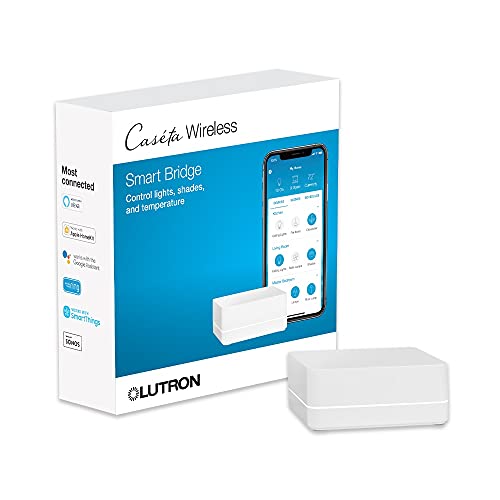
- Works with Alexa, Apple HomeKit, Google Assistant, Ring, and Sonos
- Clear Connect technology operates separately from Wi-Fi devices
- Supports up to 75 Lutron Caseta devices
Best For: Lutron-centered lighting systems and gradual expansion
Best for Advanced Local Automation

- Bridges Aqara Zigbee and Thread devices to Matter ecosystems
- Prioritizes local automations with encrypted local storage
- Adds IR control, dual-band Wi-Fi, and PoE connectivity
Best For: Advanced Aqara and Matter-based automation setups
Best for Local Matter Bridging
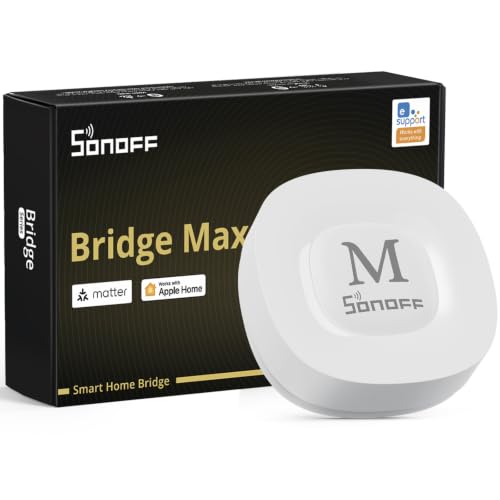
- Bridges Zigbee, BTHome, and eWeLink devices to Matter platforms
- Provides a local web console without required cloud access
- Supports Home Assistant, Ethernet, Wi-Fi, and Zigbee
Best For: Local Zigbee control and Home Assistant integrations
Best for Matter Bridging
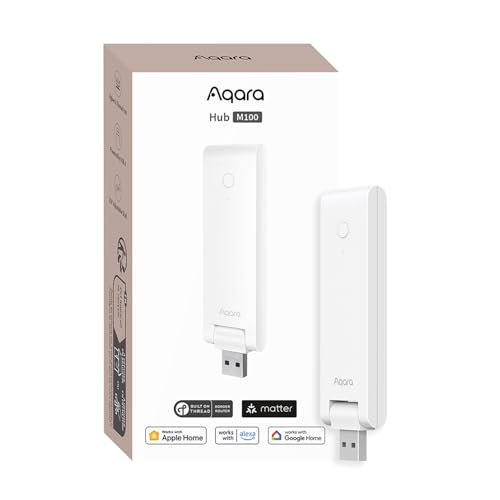
- Bridges Aqara Zigbee devices to Matter ecosystems
- Supports Aqara Zigbee and Thread devices
- Offers local automation and flexible USB-A power
Best For: Mixed Aqara, Thread, and Matter setups
Best for Tuya Value
Smart Multi-Mode Zigbee and Bluetooth Gateway

- Combines Zigbee 3.0 and Bluetooth Mesh
- Supports app, group, and remote control
- Handles up to 128 Tuya devices
Best For: Tuya and Smart Life device ecosystems
Best for Aqara Security

- Supports up to 128 Aqara devices with repeaters
- Includes speaker, RGB light, and illumination sensor
- Works with HomeKit, Alexa, Google Assistant, and IFTTT
Best For: Aqara-centered security and automation systems
Best Overall – Aeotec Smart Home Hub
For shoppers comparing wireless smart home hubs, the Aeotec Smart Home Hub is a versatile option for connecting and automating devices across several major standards. It supports Matter, Zigbee, Z-Wave Plus, Wi-Fi, Alexa, and Google Home, with setup through the SmartThings app.
Best For: Households seeking broad device compatibility and flexible SmartThings automation.
Pros:
- Supports Matter, Zigbee, Z-Wave Plus, and Wi-Fi devices.
- Works with Alexa and Google Home voice control.
- Offers both Wi-Fi and Ethernet connectivity.
- Many automations can run locally for improved speed and reliability.
Cons:
- Designed for use in North America.
- Z-Wave Plus support is specified for the V3 model.
The Aeotec hub stands out when your home includes devices from multiple ecosystems. Its wide protocol support makes it a strong foundation for expanding a connected home, though buyers should verify regional compatibility and model-specific Z-Wave support.
Best for Tapo Devices – Tapo H100 Smart Hub
The Tapo H100 is a compact choice among wireless smart home hubs for users building around Tapo sensors, switches, and buttons. It connects over 2.4GHz Wi-Fi and uses a low-power wireless protocol designed to help extend the battery life of paired devices.
Best For: Tapo-focused homes that need sensor-based actions, device grouping, and a built-in alarm.
Pros:
- Connects up to 64 Tapo devices.
- Provides a stated maximum range of up to 30 meters.
- Built-in chime and siren can support home alerts.
- Low-power connectivity may extend compatible device battery life.
Cons:
- Requires a 2.4GHz Wi-Fi network.
- It cannot directly connect to Tapo smart plugs or smart lighting.
- Compatibility is centered on Tapo sensors, switches, and buttons.
The H100 makes the most sense as the central controller for a Tapo ecosystem rather than as a universal hub. Its device capacity, wireless range, and built-in siren are useful for straightforward sensor and alert setups.
Best Touchscreen Controller – Amazon Echo Hub
The Amazon Echo Hub combines wireless smart home hubs functionality with an 8-inch touchscreen control panel. It lets households customize a dashboard, view compatible cameras, start routines, manage security devices, and control thousands of compatible Alexa devices.
Best For: Families wanting a visible, customizable control panel for Alexa-compatible smart home devices.
Pros:
- Built-in hub supports Wi-Fi, Bluetooth, Zigbee, Matter, Sidewalk, and Thread devices.
- Customizable dashboard can organize devices into sections and resize controls.
- Supports routines, camera viewing, security management, and media controls.
- Can be wall mounted or used with a separately sold tabletop stand.
Cons:
- Wall-mounting accessories and a tabletop stand are sold separately.
- In-wall cable pass-through and power-over-Ethernet accessories are also sold separately.
- Some Ring camera features require Alexa+ and a compatible Ring subscription.
Choose the Echo Hub when a dedicated screen is more useful than an app-only controller. Its broad wireless compatibility and family-friendly dashboard make it particularly practical for homes already centered on Alexa.
Best for Advanced Automation – Home Assistant Green
Home Assistant Green | Smart Home hub with Advanced Automation | Official Home Assistant Hardware
Check Price On AmazonHome Assistant Green is a practical entry point for shoppers seeking wireless smart home hubs with powerful automation potential. Home Assistant OS is preinstalled, and the fanless hub includes Ethernet, USB expansion, 4GB of RAM, and 32GB of storage.
Best For: Privacy-minded users who want centralized, advanced automation and local control of home data.
Pros:
- Comes with Home Assistant already installed for straightforward setup.
- Supports advanced automations across compatible smart home devices.
- Keeps home data locally on the device.
- Can be expanded with USB devices for Z-Wave, Zigbee, and Thread connectivity.
Cons:
- Initial networking uses Ethernet rather than built-in Wi-Fi.
- Z-Wave, Zigbee, and Thread connectivity requires compatible USB devices.
- May suit hands-on users better than shoppers seeking a simple plug-and-play wireless hub.
Home Assistant Green is compelling for buyers who value customization, local data, and sophisticated routines. Its Ethernet-first design and expandable USB architecture provide a flexible foundation, but additional adapters may be needed for specific wireless protocols.
Best for Lutron Lighting – Caseta Smart Hub
The Lutron Caseta Smart Hub is a focused choice for wireless smart home hubs when your priority is dependable lighting control. It connects to your router, uses Lutron’s Clear Connect technology separately from Wi-Fi devices, and supports Alexa, Apple HomeKit, Google Assistant, Ring, Sonos, and Serena shades.
Best For: Homes building around Lutron Caseta lighting and expanding gradually to up to 75 Caseta devices.
Pros:
- Supports major platforms including Alexa, Apple HomeKit, Google Assistant, Ring, and Sonos.
- Clear Connect technology helps keep Caseta communication separate from Wi-Fi traffic.
- Simple setup: plug it in, connect it to your router, and follow the Lutron app instructions.
- Can replace a Wink hub for controlling compatible Lutron Caseta devices.
Cons:
- Designed primarily for Lutron Caseta devices; coordinating accessories are sold separately.
- Alexa voice control requires compatible Alexa equipment and Caseta dimmers or switches.
This hub makes the most sense for a Lutron-centered lighting system rather than a broad, protocol-agnostic setup. Its straightforward installation and wide platform support are useful if you want to add compatible devices over time.
Best for Advanced Local Automation – Aqara Smart Home Hub M3
The Aqara Smart Home Hub M3 is one of the more feature-rich wireless smart home hubs in this group. It combines Aqara Zigbee and Thread support with Matter bridging, local automation, an IR blaster, dual-band Wi-Fi, Ethernet through PoE, and encrypted local storage.
Best For: Advanced Aqara users who want local automations, Matter integration, IR control, and flexible wired or wireless networking.
Pros:
- Supports Aqara Zigbee devices, Thread devices, and Matter bridge functionality.
- Edge Hub operation prioritizes local control and can migrate Zigbee devices from older Aqara hubs.
- 360-degree IR blaster can control traditional devices and report detected remote-control status.
- Offers dual-band Wi-Fi, PoE, USB-C power options, and 8GB of encrypted local storage.
Cons:
- The stated Zigbee capacity applies to Aqara Zigbee devices, not third-party Zigbee devices.
- A 2A USB power adapter is not included.
- Some cloud-based notifications still require an internet connection.
The M3 is a strong fit when you value protocol flexibility and local processing, but its capabilities are best appreciated by shoppers comfortable with Aqara, Matter, and multi-device automation setup.
Best for Local Matter Bridging – SONOFF Bridge Max
The SONOFF Bridge Max is a practical option among wireless smart home hubs for connecting Zigbee, BTHome, and eWeLink devices with Matter platforms. It supports Alexa, Google Home, Apple Home, and Home Assistant, while offering Ethernet, Wi-Fi, a local web console, and local automation features.
Best For: Homeowners who want a local Zigbee gateway with Matter compatibility and Home Assistant flexibility.
Pros:
- Bridges Zigbee, BTHome, and eWeLink devices to Apple Home, Alexa, and Google Home.
- Local web console works directly over the LAN without requiring an app or cloud service.
- Supports Home Assistant through MQTT or device bridging to Matter platforms.
- Can pair with Zigbee sensors for a local security setup with a 90 dB alarm.
Cons:
- Its broader compatibility centers on Zigbee, BTHome, and eWeLink devices.
- Some advanced setup paths, such as MQTT integration, may require more technical configuration.
The Bridge Max is compelling for users who want local control and ecosystem bridging without depending on a cloud-based workflow. It is especially attractive if Home Assistant or Zigbee sensors are already part of your setup.
Best for Matter Bridging – Aqara Smart Hub M100
The Aqara Smart Hub M100 is a flexible option for wireless smart home hubs, combining Aqara Zigbee, Thread, and Matter bridging in a compact design. It can connect Aqara Zigbee devices with supported Matter ecosystems, including Apple Home, Amazon Alexa, and Home Assistant, while local automation can continue during Wi-Fi or cloud interruptions.
Best For: Buyers building a mixed Aqara, Thread, and Matter setup who want local automation and flexible placement.
Pros:
- Supports up to 20 Aqara Zigbee devices and 20 Thread devices.
- Matter Bridge support helps connect Aqara devices with multiple smart home ecosystems.
- Local automation can provide fast responses without Wi-Fi or cloud access.
- Adjustable shaft and USB-A power support make placement flexible.
Cons:
- Third-party Zigbee devices are not supported.
- A 5V/0.5A power adapter is required but not included.
- Some functions, including cloud push notifications, still require cloud connectivity.
The M100 stands out among wireless smart home hubs for Matter integration and local processing, but its device compatibility is most appealing to users already invested in Aqara or Matter products.
Best for Tuya Value – Smart Multi-Mode Zigbee and Bluetooth Gateway
This compact gateway is a practical choice among wireless smart home hubs for Tuya and Smart Life users. It combines Zigbee 3.0 and Bluetooth Mesh connectivity, allowing compatible devices to be managed remotely through the app or by voice with Alexa and Google Home.
Best For: Tuya Smart and Smart Life households that need one gateway for Zigbee and Bluetooth Mesh devices.
Pros:
- Combines Zigbee 3.0 and Bluetooth Mesh in one gateway.
- Supports remote control, device grouping, and automation through the Smart Life/Tuya app.
- Works with Alexa and Google Home voice control.
- Supports up to 128 Tuya smart home devices.
Cons:
- Supports Tuya/Smart Life devices only.
- Requires a 2.4GHz network.
Its low-profile design and broad stated device capacity make it useful for expanding a Tuya-based system, but it is not a general-purpose hub for unrelated smart home brands.
Best for Aqara Security – Aqara Hub M1S Gen 2
The Aqara Hub M1S Gen 2 is a security-focused option among wireless smart home hubs, connecting Aqara sensors and automation devices over a secured 2.4GHz Wi-Fi network. It adds a built-in speaker, configurable RGB light, illumination sensing, and support for Apple HomeKit, Google Assistant, Alexa, and IFTTT.
Best For: Aqara users who want an integrated alarm, night light, and home automation bridge.
Pros:
- Connects up to 128 Aqara devices when Zigbee repeaters are used.
- Built-in 2-watt speaker supports alarms, doorbells, and custom ringtones.
- RGB light and illumination sensor enable lighting and automation uses.
- Supports Apple HomeKit, Google Assistant, Alexa, and IFTTT.
Cons:
- Requires a secured 2.4GHz Wi-Fi connection.
- Designed for Aqara devices and does not support devices from other brands.
- Not every Aqara child device works with every supported platform.
The M1S Gen 2 is a strong fit for an Aqara-centered security system, especially if you value built-in audible and visual alerts, but its ecosystem limitations make it less suitable for mixed-brand installations.
How We Picked the Best Wireless Smart Home Hubs
We evaluated these hubs based on compatibility, supported wireless protocols, automation capabilities, app quality, voice-assistant integration, setup requirements, and long-term usefulness. We also considered whether each model is best suited to a broad multi-brand home or a focused ecosystem such as Lutron, Aqara, Tapo, SmartThings, or Home Assistant.
Protocol support matters because Zigbee, Z-Wave, Matter, Thread, Bluetooth, and Wi-Fi devices do not all work with every hub. We also looked for practical differences such as local processing, remote access, built-in alarms or chimes, infrared control, display-based management, and expansion potential.
Quick Comparison
- Best for broad compatibility: Aeotec Smart Home Hub, with SmartThings support plus Zigbee, Z-Wave, and Matter gateway capabilities.
- Best for advanced automation: Home Assistant Green or Aqara Hub M3.
- Best for simple touchscreen control: Amazon Echo Hub.
- Best for lighting: Lutron Caseta Smart Hub.
- Best for affordable sensor ecosystems: Tapo H100, Aqara M100, or Aqara M1S Gen 2.
- Best for flexible multi-mode connections: The Zigbee, Bluetooth, and mesh gateway or SONOFF Bridge Max.
Key Buying Factors for Wireless Smart Home Hubs
Device and Protocol Compatibility
Check every device category you plan to add, not just the hub’s headline compatibility list. Matter can simplify cross-platform support, while Zigbee and Z-Wave remain useful for sensors, switches, and locks. Some hubs work mainly within one manufacturer’s ecosystem.
Automation and Local Control
For dependable routines, look for local processing or a clear offline mode. Advanced users may prefer Home Assistant, while households seeking easier setup may favor Alexa, SmartThings, or Aqara automation tools.
Voice, App, and Remote Access
Confirm support for Alexa, Google Home, Apple Home, or the platform your household already uses. Also check whether remote control requires an account, subscription, or separate bridge.
Network Requirements
Many hubs require 2.4GHz Wi-Fi, Ethernet, or a stable connection to a specific router. Place the hub centrally and verify that its wireless range reaches sensors and accessories before expanding your setup.
Who Should Buy Which Wireless Smart Home Hubs?
Choose the Aeotec hub if you want a versatile SmartThings-centered system with broad protocol support. Pick Home Assistant Green if deep customization, local automation, and control over your data matter most. The Amazon Echo Hub is a strong fit for households that want an accessible wall-mounted visual interface.
For lighting-first installations, Lutron Caseta is the focused choice. Aqara’s M3, M100, and M1S Gen 2 make sense when you already use Aqara sensors or want its security and automation features. Select Tapo H100 for a straightforward Tapo setup, or consider SONOFF and the multi-mode gateway when mixing compatible budget devices is the priority.