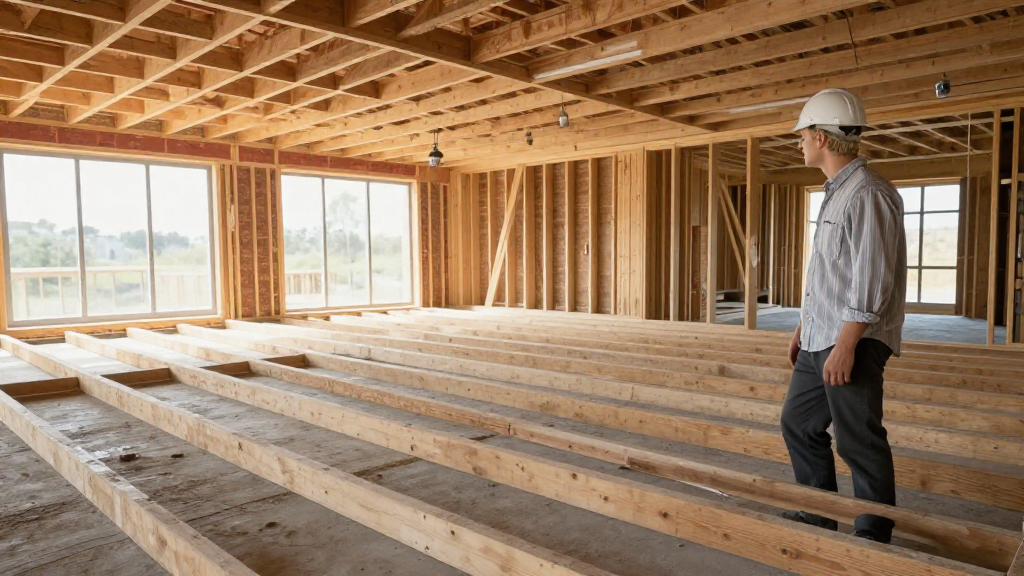
A beam floor system is an essential component in modern construction, helping to create stable, strong, and reliable structures.
What Are the Key Components of a Beam Floor System?
A beam floor system consists of several vital components that work together to provide support and distribution of loads throughout a building.
1. Beams
Beams are horizontal structural elements that carry the load from the floor above and distribute it to vertical supports like columns or walls.
2. Floor Joists
Floor joists are smaller beams that span the space between the larger beams. They provide additional support for the flooring material and are crucial for maintaining the integrity of the structure.
3. Decking
Decking is the surface material that you walk on, typically made of plywood or oriented strand board (OSB). It adds extra strength to the floor and provides a stable surface for flooring finishes.
4. Columns and Walls
Columns and walls act as vertical supports for the beams, transferring loads to the foundation. They are integral to the beam floor system and ensure that the structure remains stable.
Why Use a Beam Floor System?
What Are the Benefits of a Beam Floor System?
There are numerous advantages to using a beam floor system in construction projects:
- Strength: The combination of beams and joists provides excellent structural integrity and resilience.
- Flexibility: Depending on the design and load requirements, beam floor systems can be adapted to suit various types of buildings, including residences and commercial spaces.
- Reduced Weight: The use of a beam floor system can minimize the weight of the overall structure while still providing the necessary support.
- Enhanced Space: This system often allows for open floor plans by reducing the number of load-bearing walls needed, creating larger, more versatile spaces.
How Does a Beam Floor System Work?
What Is the Load Distribution Process?
The beam floor system works through a systematic load distribution process:
-
Vertical Loads: When weight is applied to the floor, it creates vertical loads that the floor must support.
-
Transfer of Loads: The load is first transferred to the floor joists, which then carry it to the beams.
-
Distribution to Vertical Supports: Beams distribute these loads further to columns or walls, ultimately transferring the weight to the building’s foundation.
This efficient load distribution minimizes stress on any individual component, ensuring that the structure remains stable and safe.
What Types of Beam Floor Systems Are Available?
What Are the Different Designs?
Several types of beam floor systems cater to different construction needs:
-
Wood Beam Systems: Common in residential construction, wood beams provide a natural aesthetic and are often more cost-effective.
-
Steel Beam Systems: Utilized in commercial buildings, steel offers superior strength and durability, allowing for larger spans.
-
Precast Concrete Beam Systems: Ideal for high-load applications, precast concrete beams deliver outstanding strength in enclosed spaces.
How Does a Beam Floor System Impact Construction?
What Are the Influences on Design and Cost?
The choice of a beam floor system directly affects various aspects of construction:
-
Design Flexibility: This system allows architects to create innovative and spacious layouts while maintaining necessary structural integrity.
-
Cost Considerations: The material used (wood, steel, or concrete) and the overall complexity of the beam floor system can significantly impact construction costs.
-
Labor Requirements: Although some beam floor systems may require more skilled labor, advancements in pre-manufactured components can streamline the process.
How to Choose the Right Beam Floor System?
What Factors Should You Consider?
Choosing the perfect beam floor system involves assessing several critical factors:
-
Building Use: The intended use of the space will determine the type of loading it must support. For example, a residential space may benefit from a wood beam system, while a commercial space might require steel for higher loads.
-
Aesthetic Preferences: The visual appeal and design intentions can guide your choice; wood offers warmth, while steel and concrete may lean more toward modern aesthetics.
-
Budget: Homeowners and builders must set a clear budget and weigh material costs against long-term durability.
-
Local Building Codes: Compliance with local regulations can influence system selection, as certain materials and designs may be mandated for safety reasons.
Conclusion: Why Invest in a Beam Floor System
A beam floor system is a foundational element of modern construction, blending strength, flexibility, and efficiency into one comprehensive solution.
Understanding the components, functions, benefits, and types of beam floor systems can help builders and homeowners make informed decisions to ensure their structures are not just visually appealing but also safe and durable.
By choosing the right beam floor system, construction professionals can enhance the overall integrity of the structures they build, appealing to a broad range of design aesthetics and functional requirements.