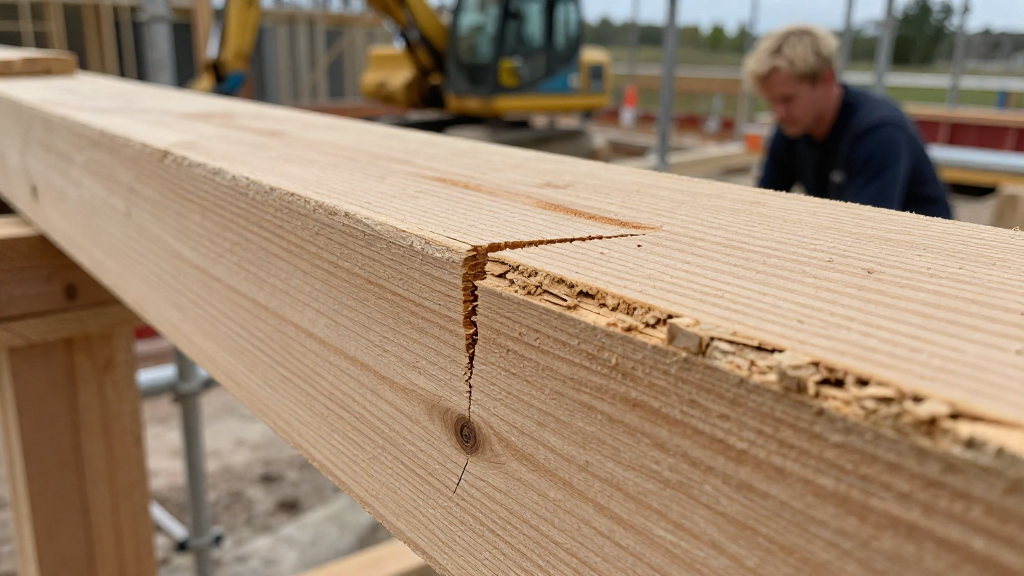
Beam cracking is a significant issue that can compromise the structural integrity of buildings and other constructions.
Understanding the various causes of beam cracking is essential for professionals in the construction, architecture, and engineering sectors.
What is Beam Cracking?
Beam cracking refers to the appearance of fissures or fractures in beams, often made from concrete, steel, or wood.
These cracks can disrupt the load-bearing capability of the beam and potentially lead to structural failures if left unaddressed.
Understanding the causes of beam cracking helps in creating preventive measures and corrective solutions to maintain building safety.
What Are the Common Causes of Beam Cracking?
1. Overloading
One of the most prevalent causes of beam cracking is overloading. When a beam is subjected to loads beyond its designed capacity, it can lead to excessive stresses.
- Excessive weight from furniture or equipment can lead to this issue.
- Improper load distribution can also contribute to localized stress.
2. Poor Design and Engineering
If beams are not designed adequately for their specific application, they may crack under normal conditions.
- Insufficient reinforcement: Inadequate steel reinforcement in concrete beams can lead to failure.
- Improper dimensions: Often, beams that are too slender or short for heavy loads can crack.
3. Material Quality
The materials used in making beams play a significant role in their integrity.
- Substandard concrete: Using inferior quality concrete that does not adhere to standards can lead to cracks.
- Corrosion of reinforcement bars: In reinforced concrete beams, rusting can weaken the structure over time.
4. Temperature Variations
Fluctuations in temperature can cause materials to expand and contract.
- Thermal expansion and contraction: Different materials in a composite beam may expand at different rates, leading to stress and cracking.
- Exposure to freezing and thawing cycles can also contribute to material degradation.
5. Settlement Issues
Ground movement or settling can create stresses in beams that lead to cracking.
- Soil erosion: If the soil beneath a beam erodes over time, it can cause uneven settling.
- Poorly compacted soil: If the ground beneath the beam was not adequately compacted, settling may occur.
Why Are Cracks in Beams a Concern?
Ensuring the stability of beams is crucial in any structure.
1. Safety Risks
Beam cracking can pose serious safety threats, including:
- Structural failure, risking lives.
- Injury to occupants or damage to property.
2. Aesthetic Issues
Cracks can also detract from a building’s appearance.
- Visible fissures can diminish the property’s value.
- They may create concerns for potential buyers or tenants.
3. Increased Maintenance Costs
Fixing cracked beams can lead to significant costs.
- Repair costs can escalate if the cracking is not addressed early.
- Ongoing maintenance may be required to ensure safety and performance.
How Can Beam Cracking Be Prevented?
Preventing beam cracking requires a proactive approach.
1. Proper Design and Engineering
Working with qualified engineers to ensure that beams are designed to handle expected loads, environmental conditions, and material quality is crucial.
2. Quality Materials
Choose high-quality materials that meet industry standards.
- Use reliable suppliers that provide certified construction materials.
- Regularly inspect materials for quality before application.
3. Regular Inspections
Routine inspections can catch early signs of cracking.
- Implement a scheduled maintenance plan to check for cracks and structural integrity.
- Use non-destructive testing methods to assess beam conditions without causing further damage.
4. Proper Loading Techniques
Ensure that all loads are distributed evenly, and avoid stacking heavy items on beams.
- Train staff regarding load limits for different types of beams.
- Utilize load cells to monitor weights on structures.
5. Address Soil Issues
Proper landscaping and site preparation can help reduce settling.
- Ensure proper soil compaction before construction begins.
- Monitor for signs of soil erosion and take corrective action as necessary.
What Should You Do if You Discover Cracks in Beams?
If you encounter beam cracking, timely action is vital.
1. Assess the Severity of Cracks
Determine whether the cracks are superficial or if they indicate a more serious underlying issue.
- Hairline cracks might be cosmetic but require inspection.
- Wide cracks or cracks that continue to grow should prompt immediate professional evaluation.
2. Consult a Structural Engineer
If cracking is severe, consult an experienced structural engineer.
- They can conduct a thorough assessment.
- Professional advice can guide the appropriate repair methods.
3. Implement Repairs
Depending on the extent of damage, repairs may involve:
- Epoxy injection for consolidating smaller cracks.
- Steel plates may be added as reinforcement for severely cracked areas.
4. Monitor the Situation
After repairs, continue monitoring the beams for any further signs of cracking.
- Regular checks can help catch new issues early.
- Document any changes or developments, which can be useful for future evaluations.
Conclusion
Understanding the causes of beam cracking is essential for construction professionals and building owners.
Addressing potential issues early through proper design, quality material selection, and routine inspections can significantly reduce the chances of cracking.
If you discover cracks in beams, it’s crucial to act quickly, assess the severity, and consult a structural engineer to ensure safety and integrity.
By being proactive in managing beam cracking, you can protect the value and safety of your structures for years to come.