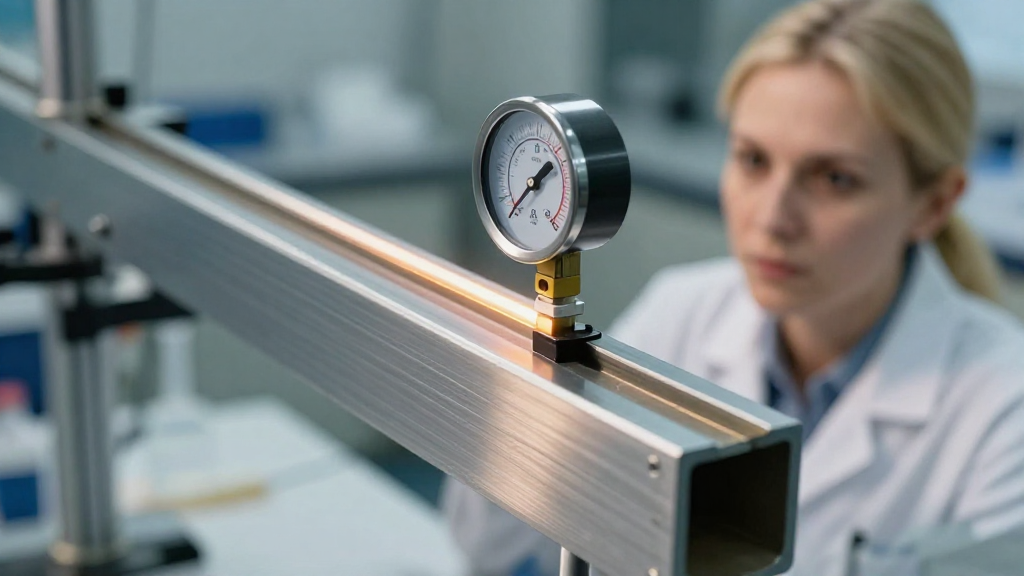
When discussing beam behavior under temperature, it’s essential to understand how various temperature fluctuations can impact the structural integrity of materials.
How Does Temperature Affect Beam Behavior?
Beam behavior under temperature changes centers around thermal expansion and contraction.
This is a fundamental physical property that materials exhibit.
When a beam is subjected to rising temperatures, it will typically expand. Conversely, when temperatures drop, the beam will contract.
This expansion and contraction can lead to several critical effects on the structural integrity of beams:
-
Stress and Strain: As the temperature rises, the increase in length (expansion) can generate tensile stresses, leading to strain. On the other hand, cooling can result in compressive stresses.
-
Material Strength: The properties of the material itself can alter as temperatures change. For example, steel can lose strength at elevated temperatures, while some materials become brittle in cold conditions.
-
Deflection: Beams can experience increased deflection due to temperature changes, affecting overall stability.
It’s clear that understanding beam behavior under temperature change is essential for engineers and architects when designing structures that will be resilient against temperature effects.
What Types of Beams are Affected by Temperature Changes?
Several materials and beam types can demonstrate varying degrees of response to temperature changes. These include:
- Steel Beams
- Wood Beams
- Concrete Beams
- Composite Beams
Each type of material exhibits its unique thermal expansion coefficients, which influence how they respond to temperature fluctuations:
Steel Beams
- Expansion Rate: Steel has a known thermal expansion coefficient around 11–13 x 10^-6 /°C.
- Strength Reduction: At high temperatures, steel beams can lose up to 50% of their ultimate strength.
Wood Beams
- Moisture Sensitivity: Wood reacts to temperature changes differently due to moisture absorption.
- Directional Behavior: Wood expands more along the grain than across it.
Concrete Beams
- Low Coefficient of Expansion: Concrete has a relatively low thermal expansion coefficient (about 8.5 x 10^-6 /°C).
- Thermal Cracking: Rapid temperature changes can lead to cracking in concrete.
Composite Beams
- Variable Properties: Composites may exhibit unique behaviors depending on their matrix and fibers.
- Critical Thermal Transition: The properties of composites can be sensitive to thermal transitions.
Understanding the specific behaviors of these materials is crucial in assessing beam behavior under temperature changes.
How Do Engineers Mitigate Temperature Effects?
Given the significant impact of temperature on beam behavior, engineers employ various strategies to mitigate these effects:
Design Considerations
- Expansion Joints: Incorporating expansion joints in structures allows for movement due to thermal effects.
- Material Selection: Choosing materials with lower thermal expansion coefficients can minimize stresses.
Structural Analysis
- Finite Element Analysis (FEA): Engineers often use simulation software to predict how beams will respond under different thermal loads.
- Load Testing: Physical load testing can help assess beam behavior under expected temperature ranges.
Maintenance Strategies
- Regular Inspections: Ensuring structural integrity through regular inspections can help identify problems arising from temperature effects.
- Repairs: Promptly addressing any noted defects can mitigate further issues related to stress and deflection.
By thoughtfully integrating these strategies, engineers can better address beam behavior under temperature fluctuations.
What are the Real-World Implications?
Understanding beam behavior under temperature changes has real-world significance, particularly in the following domains:
Infrastructure
Bridges, roads, and buildings are all subject to varying temperatures.
- Bridge Expansion Joints: Bridges must accommodate thermal expansion; failure to do so can result in cracking and joint failure.
Aerospace Engineering
In environments like space, temperature fluctuations can be extreme.
- Thermal Protection Systems: Aircraft and spacecraft require thermal protection systems to ensure materials behave predictably under changing temperatures.
Electronics Cooling
In electronics, components may heat up during operation.
- Thermal Management: Proper thermal management is essential to ensure that beams and supporting structures do not compromise device reliability.
Truly, understanding beam behavior under temperature changes can have critical implications in these various fields.
Conclusion: Why is Understanding Beam Behavior Under Temperature Changes Essential?
In summary, beam behavior under temperature changes is a multifaceted topic that combines materials science, physics, and engineering principles.
From understanding the specific properties of beams made from steel, wood, concrete, and composites to employing effective design and maintenance strategies, this knowledge is invaluable.
Paying attention to how temperature affects beams not only enhances structural integrity but also safeguards against potential failures.
Ultimately, a comprehensive understanding of beam behavior under temperature changes ensures the safety, longevity, and durability of structures across numerous domains.