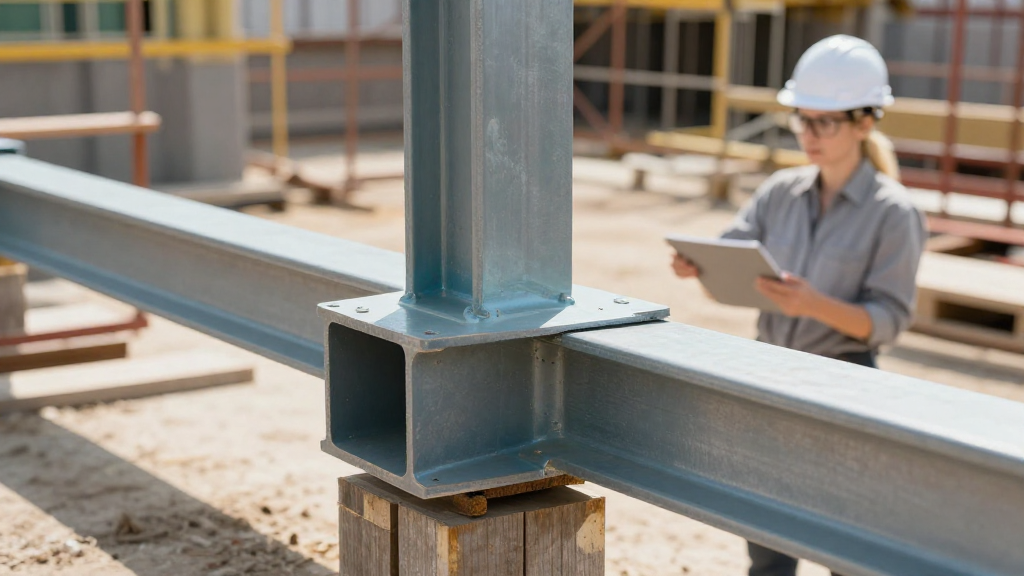
A beam haunch is a crucial architectural term that refers to a specific design element in structural engineering. Understanding the significance and applications of a beam haunch can help ensure the stability and performance of various structures. In this article, we will delve into the concept of beam haunches, explore their benefits, and identify when and how to utilize them effectively.
What Exactly is a Beam Haunch?
A beam haunch is an extension of the beam, often thicker or deeper in certain areas, designed to improve load-bearing capacity. Here’s a more in-depth look at what a beam haunch entails:
- Shape and Design: A beam haunch typically features a gradual transition from the thicker region to a standard beam size, creating a sloped exterior profile that diverges from the straight lines of conventional beam designs.
- Location: Beam haunches are usually situated at the supports of a beam. This positioning allows for optimal reinforcement of areas subject to high stress concentrations, such as junctions between beams or between beams and columns.
When is a Beam Haunch Necessary?
Beam haunches come into play under specific conditions where structural integrity and stability are paramount. Here are the most common scenarios where you might consider using a beam haunch:
-
To Improve Load Distribution:
– Beam haunches are beneficial in distributing loads more evenly, especially in scenarios where structural loads exceed standard beam capacities.
– Their design allows for a smoother transition of stress between different components of the structure. -
In Areas with High Moments:
– If a beam is subjected to significant bending moments, using a beam haunch can help withstand these forces effectively.
– The additional material where the haunch is located enhances the beam’s resistance to bending, contributing to a more robust structure. -
To Accommodate Openings:
– In some designs, spaces for ducts, pipes, or other installations may necessitate modifications to the beam.
– A beam haunch can provide the necessary structural support while allowing for these aesthetical or functional openings. -
In Sloping Roofs:
– When dealing with sloping roofs, a beam haunch is often employed to transition between horizontal and inclined planes.
– This adaptation allows for better alignment with other structural elements such as rafters. -
To Minimize Deflection:
– Excessive deflection in a beam can lead to structural failures or aesthetic issues.
– A beam haunch can enhance the strength of the beam, thereby reducing the likelihood of unwanted deflection.
What Are the Benefits of Using a Beam Haunch?
Incorporating a beam haunch into structural designs comes with numerous advantages. Here are the key benefits of using a beam haunch:
-
Increased Load Capacity: A beam haunch provides additional material where needed, which increases the beam’s load-bearing capacity.
-
Improved Structural Integrity: The design enhances overall stability and reduces the chances of premature failure under stress.
-
Flexibility in Design: Beam haunches can be tailored to fit different load conditions, making them ideal for bespoke construction projects.
-
Aesthetic Appeal: Beyond their structural role, beam haunches can also offer unique visual features.
-
The streamlined shapes can contribute positively to the aesthetics of a building.
-
Ease of Installation: The adaptability of beam haunches means that they can often be easier to install compared to designing an entirely new structural solution for load challenges.
What Materials Can Be Used for a Beam Haunch?
When considering the construction of a beam haunch, various materials can be utilized to achieve different outcomes. The choice of material often depends on the project specifications, budget, aesthetics, and the intended load capacity. Here are some common materials used for beam haunches:
-
Concrete:
– Reinforced concrete is durable, easily moldable, and commonly used for beam haunches.
– Its compressive strength makes it suitable for high-load applications. -
Steel:
– Steel haunches are often used in industrial applications due to their high strength-to-weight ratio.
– They allow for rapid installation and can support significant loads effectively. -
Timber:
– In residential or some commercial projects, timber can be used for beam haunches, especially where aesthetics are essential.
– Properly treated timber can provide sufficient strength for specific applications.
How Should You Design a Beam Haunch?
Designing an effective beam haunch is vital for maximizing its advantages. Here are essential factors and considerations to keep in mind:
- Load Calculations:
-
Accurate load calculations are crucial to ensure that the haunch can support the expected stress.
-
Haunch Dimensions:
- Determining the appropriate size and slope of the haunch will depend on the specific structural demands.
-
Too small may not provide the needed capacity, while excessively large dimensions could waste material and increase costs.
-
Material Selection:
-
Choose materials that align with both structural requirements and budgetary constraints.
-
Connection Details:
- Ensure that the connection between the haunch and the primary beam is appropriately designed.
- This includes considering welds and bolted connections for steel, or reinforcing bars for concrete.
When Should You Consult a Structural Engineer?
While understanding the function and design principles of a beam haunch is beneficial, some scenarios necessitate professional guidance. Here are instances when to consult a structural engineer:
- Complex Structures:
-
If you’re working on a unique architectural design or complex structural system, bringing in an expert will help you identify the best use of beam haunches.
-
High-Load Situations:
-
In cases where beam loads reach or exceed conventional limits, expert evaluations will ensure safety.
-
Regulatory Requirements:
-
If local building codes require structural engineering approval, seeking professional help is imperative.
-
Integration with Other Systems:
- If the beam haunches need to integrate with other mechanical, electrical, or plumbing systems, a structural engineer can provide valuable insights.
Conclusion
Understanding the role of a beam haunch is essential for designing and constructing robust structures.
By knowing when to use a beam haunch and how to design it appropriately, architects and engineers can enhance the structural integrity, efficiency, and aesthetic appeal of their projects.
If you’re facing unique structural challenges, consider consulting with a structural engineer to ensure your designs meet all safety and regulatory standards.