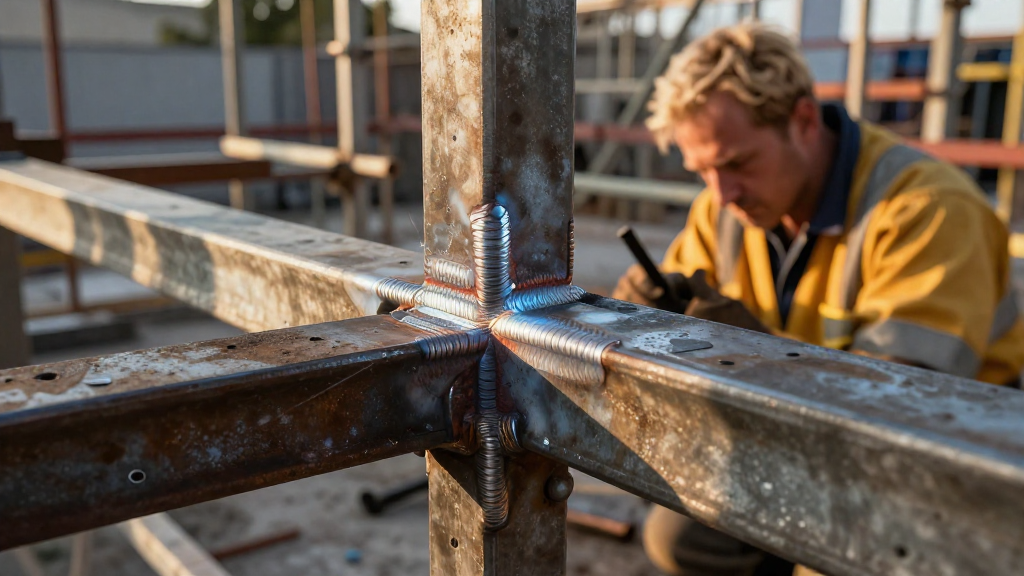
A beam welded connection is a critical component in the construction and manufacturing industries, serving as the backbone of many structural applications.
What is a Beam Welded Connection?
A beam welded connection refers to the method of joining structural beams using welding techniques.
These connections are vital in ensuring the strength and stability of structures.
They are widely utilized in various engineering applications, notably in:
- Bridges
- Buildings
- Industrial structures
The integrity of these welded connections influences the overall performance and safety of the structure.
Why Use Beam Welded Connections?
What Are the Benefits?
Selecting a beam welded connection offers several advantages:
-
Strength and Durability:
– Welded connections are known for their high tensile strength.
– They can withstand significant loads and stresses. -
Seamless Design:
– Aesthetic appeal is enhanced with welded connections.
– They produce smooth transitions between beams and other structural elements. -
Versatility:
– They can be employed with various materials such as steel, aluminum, and even some plastics.
– Ideal for diverse architectural and engineering requirements. -
Cost-Effectiveness:
– Welding may reduce the need for additional hardware like bolts or rivets.
– It can lower labor costs and construction time. -
Resistance to Environmental Factors:
– Properly executed welded connections can resist rust and corrosion.
– Essential for structures exposed to harsh weather conditions.
What Are the Types of Beam Welded Connections?
Which Types Are Commonly Used?
When it comes to beam welded connections, several types are commonly utilized in construction. Each type serves specific purposes depending on the required strength and design:
-
Butt Weld Connections:
– These involve connecting two beams end-to-end.
– Ideal for applications requiring high strength.
– Often used in heavy structural applications. -
Fillet Weld Connections:
– Common in connecting beam flanges or web sections.
– Easier to make than butt welds.
– Suitable for most structural applications. -
Groove Weld Connections:
– Used for high-strength connections where maximum load transfer is required.
– Creates a joint that can accommodate heavy loads.
– Requires a slit or groove to be created in the beam ends. -
Corner Weld Connections:
– Connects beams at right angles.
– Commonly used in the construction of frames and supports.
– Provides good strength at corners. -
Tee Weld Connections:
– Used to connect a beam perpendicularly to another.
– Often seen in grid structures where beams intersect.
How are Beam Welded Connections Made?
What Is the Welding Process?
The creation of a beam welded connection involves several steps, ensuring a robust bond between beam elements:
-
Preparation:
– Clean the surfaces where the connection will be made.
– Remove any contaminants, rust, or paint to ensure a strong weld. -
Alignment:
– Position the beams correctly.
– Clamps may be used to hold them in place during the welding process. -
Welding:
– Use the appropriate welding method (MIG, TIG, or stick welding).
– Ensure proper welding techniques to avoid weak spots. -
Inspection:
– Assess the weld for quality and integrity.
– Non-destructive testing might be employed to ensure reliability. -
Finishing:
– Grind down any rough edges or spatter.
– Apply protective coatings if required, especially for outdoor structures.
Where Are Beam Welded Connections Used?
What Are Typical Applications?
The applications of beam welded connections extend across various industries, including:
- Construction:
-
In buildings, bridges, and towers for creating load-bearing joints.
-
Manufacturing:
-
Machinery and equipment, where structural integrity is paramount.
-
Shipbuilding:
-
For joining different parts of the hull and superstructure.
-
Automotive:
- Used in the framework of vehicles for safety and strength.
How to Ensure Quality in Beam Welded Connections?
What Are Key Considerations?
To ensure the strength and integrity of a beam welded connection, consider the following:
-
Choosing Qualified Personnel:
– Ensure that the welder has the necessary certifications and experience. -
Using Quality Materials:
– Select high-quality beams and welding materials.
– Pay attention to compatibility of materials to avoid issues. -
Adhering to Codes and Standards:
– Follow relevant structural codes and regulations for safety.
– Ensure that all welds meet the required specifications. -
Regular Inspections and Maintenance:
– Periodic inspections can help identify potential weaknesses or failures.
– Maintenance can extend the lifespan of the connections.
Conclusion: Why Understanding Beam Welded Connections Matters
In summary, a beam welded connection plays a pivotal role in the stability and strength of various structures.
Understanding the types, benefits, and applications of these connections is fundamental for engineers, architects, and builders alike.
By ensuring quality in the welding process and adhering to best practices, you can greatly enhance the safety and durability of your projects.
With the right knowledge and skills, the potential of beam welded connections can be fully realized, leading to innovative and sturdy structures that stand the test of time.
Whether you’re involved in construction, manufacturing, or even DIY projects, appreciating the significance of a beam welded connection is crucial to achieving structural integrity and aesthetic appeal.
Incorporating these connections thoughtfully into your designs will ultimately contribute to the building of safer, more resilient environments.