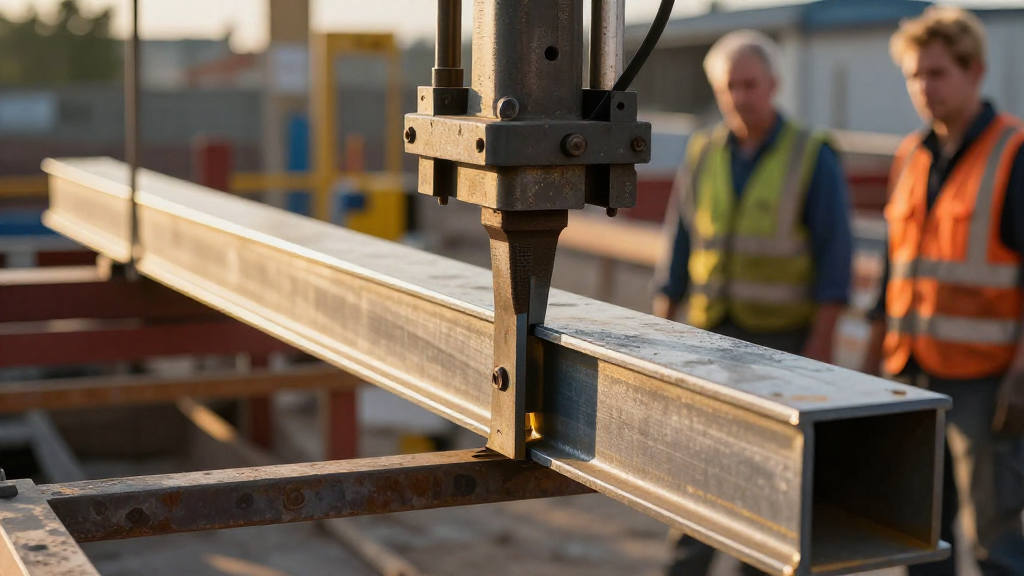
Beam cambering refers to the process of introducing a slight upward curvature into a beam to counteract deflection that may occur under load.
Understanding the various beam cambering methods can significantly enhance structural performance and longevity in construction and engineering projects.
What Is Beam Cambering and Why Is It Important?
Cambering speaks to the deliberate introduction of curvature in beams to improve their load-bearing performance.
The primary goals of beam cambering include:
- Reducing deflection under load
- Enhancing aesthetic quality
- Improving load distribution across structural elements
By implementing the right beam cambering methods, builders can ensure that structures remain safe, functional, and visually appealing.
What Are the Common Methods for Beam Cambering?
When it comes to beam cambering methods, several strategies can be implemented depending on the materials used, structural requirements, and construction techniques.
Here are some of the most common methods for beam cambering:
1. Mechanical Cambering
Mechanical cambering involves using mechanical devices to apply a predetermined amount of camber.
This method typically includes:
- Hydraulic jacks: Used to apply significant force to induce curvature.
- Mechanical winches: Employing tension to bend the beam during installation.
Mechanical cambering is often utilized for steel beams due to its precision and effectiveness.
2. Heat Cambering
Heat cambering is another popular method predominantly used with steel beams.
This method uses controlled heating techniques to raise specific areas of the beam:
- Welding: Localized heating can create a curve.
- Torch heating: Heat is directly applied to specific parts of the beam, allowing it to warp into the desired shape.
While effective, heat cambering requires precision to avoid causing unwanted stresses or weaknesses in the material.
3. Pre-Cambering
Pre-cambering is often employed during the initial construction phase.
This method produces a camber before the beam is installed:
- Formwork: Creating molds that account for the desired camber can help maintain shape.
- Pre-manufactured cambered beams: Some manufacturers offer beams with built-in camber, accommodating specific designs.
This method can save time during installation and management of deflections later on.
4. Concrete Cambering
For precast concrete beams, camber can be introduced effectively with particular techniques:
- Cambered forms: Using molds that are already shaped to accommodate camber.
- Tensioning cables: Tensioned cables can add curvature to concrete beams during the curing process.
This ensures that deflections are countered when the beam is placed under load.
5. Cambers by Design
Another method for beam cambering involves designing the beam to incorporate curvature as part of its aesthetic or structural qualities.
This may include:
- Architectural designs: Curved beams can be desired for unique structural looks.
- Lazy cantilever beams: Using more complex geometries that accommodate deflection through inherent design.
By correctly predicting the required curvature during the design phase, architects can ensure stability and performance.
Why Choose the Right Method for Beam Cambering?
The success of each beam cambering method often hinges on the specific materials involved, the size of the beams, and the loads they will support.
Choosing the right method ensures:
- Structural integrity: Minimizing deflection allows beams to fulfill their intended role without risk of failure.
- Cost-efficiency: Selecting the most suitable cambering method can significantly reduce labor and material costs.
- Time-saving: Efficient cambering methods lead to faster project completion times.
How to Determine the Best Beam Cambering Method?
While each method has its advantages, determining the most applicable beam cambering method involves several considerations:
- Material Type: Different materials respond better to different methods.
- Beam Size and Span: Larger or longer beams may require more robust techniques.
- Project Timeline: Urgency often dictates method choice.
- Load Requirements: Project specifications and expected loading conditions will influence the decision.
Implementing the correct method tailored to your project’s particular needs can enhance both safety and functionality.
How to Ensure Quality in Beam Cambering?
Ensuring quality in beam cambering involves:
- Professional assessment: Engaging structural engineers to evaluate requirements is crucial.
- Regular inspections: Inspecting beams both pre-and post-installation helps identify potential issues early.
- Material testing: Testing materials for strength and flexibility can prevent future failures.
By adhering to quality assurance measures, builders can mitigate risks associated with beam distortion and ensure that the structures maintain desired performance levels.
Conclusion: The Importance of Understanding Beam Cambering Methods
In summary, the effectiveness of various beam cambering methods can greatly influence the structural integrity and aesthetic appeal of a project.
From mechanical methods to pre-cambering techniques, builders have a variety of options to choose from when introducing camber into beams.
Understanding these beam cambering methods enables engineers and architects to design safer and more efficient structures, ensuring they withstand both time and loads.
By carefully considering the right method for each unique project, stakeholders can pave the way for successful construction ventures that prioritize quality, performance, and longevity.