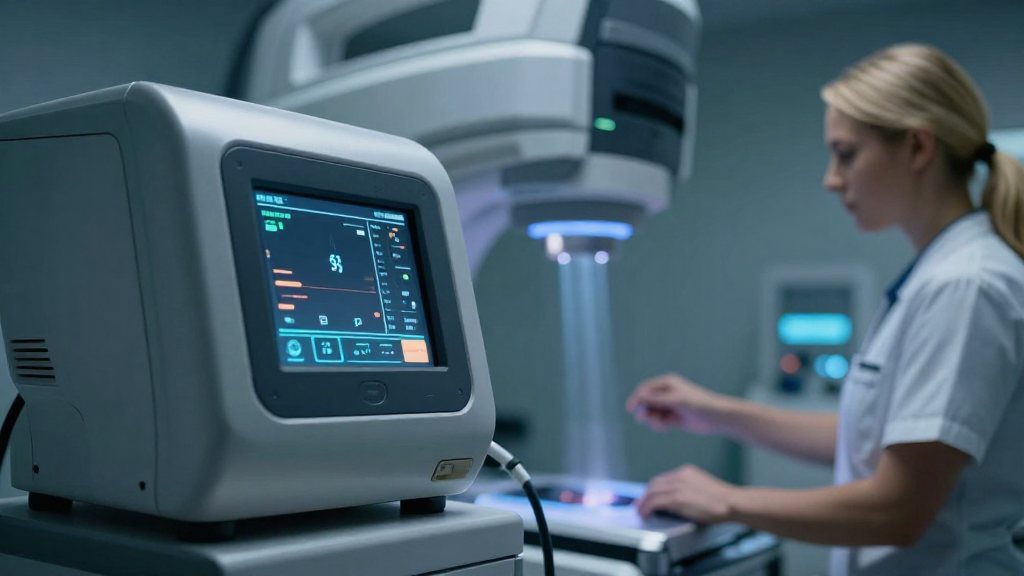
Beam dosimetry is a critical aspect of radiation therapy, ensuring that the delivered dose of radiation is accurate and safe for patients.
In this article, we will explore what beam dosimetry is, its importance in medical applications, different measurement techniques, and its role in the future of healthcare.
What Are the Key Concepts of Beam Dosimetry?
Beam dosimetry refers to the precise measurement and calculation of the radiation dose delivered by a therapeutic beam, often used in treatment for cancer patients.
This fundamental process is comprised of several key concepts:
-
Radiation Types: Beam dosimetry can apply to various types of radiation, including X-rays, electrons, and proton beams.
-
Dose Measurement: Accurately measuring the dose delivered to the target tissue, while minimizing exposure to surrounding healthy tissues, is crucial.
-
Calibration: Regular calibration of radiation delivery equipment ensures reliable dosimetry results.
-
Quality Assurance: Routine checks are essential for maintaining the integrity of beam dosimetry throughout treatment.
Accurate beam dosimetry is crucial for optimizing treatment efficacy while minimizing risks.
Why Is Beam Dosimetry Important in Cancer Treatment?
The importance of beam dosimetry in cancer treatment cannot be overstated. Here are compelling reasons:
-
Patient Safety: Accurate dose delivery minimizes the risk of radiation exposure to healthy tissues.
-
Treatment Efficacy: Tailored dosing enhances the likelihood of destroying cancer cells effectively.
-
Regulatory Compliance: Adhering to the guidelines set by organizations like the American Association of Physicists in Medicine (AAPM) and the International Atomic Energy Agency (IAEA) is essential.
-
Technological Advancements: Innovations in beam dosimetry, such as 3D printing and real-time monitoring systems, have revolutionized treatment approaches.
-
Cost-Effectiveness: Accurate dosimetry can lead to more effective treatments, potentially reducing the need for additional therapy sessions.
By ensuring effective treatment protocols, beam dosimetry has redefined cancer management.
What Techniques Are Used in Beam Dosimetry?
Several techniques are employed in beam dosimetry to measure radiation dose effectively. Here are the most notable methods:
-
Ionization Chambers: Commonly used for beam dosimetry, these chambers detect ionization produced by radiation, providing information on dose.
-
Thermoluminescent Dosimeters (TLDs): TLDs store energy from radiation and release it as light when heated, allowing for accurate dose measurement.
-
Radiochromic Films: These films change color when exposed to radiation, providing a visual representation of dose distribution.
-
Diode Detectors: Compact and sensitive, diodes offer real-time dose measurements, facilitating in-vivo dosimetry.
Choosing the right technique for beam dosimetry largely depends on the specific application and required precision.
How Does Beam Dosimetry Impact Treatment Plans?
Every treatment plan is unique, and beam dosimetry plays a pivotal role in developing those plans. Here’s how it impacts treatment strategies:
-
Individualized Treatment: Beam dosimetry allows healthcare providers to customize radiation doses to match a patient’s specific tumor size and location.
-
Adaptive Radiation Therapy (ART): With advancements in dosimetry, ART enables adjustments to the radiation dose during treatment based on real-time feedback.
-
Treatment Optimization: Physicians can analyze dosimetry data to balance maximum tumor control with minimal side effects on healthy tissues.
In summary, beam dosimetry is instrumental in devising optimized treatment plans for each patient.
What Challenges Are Associated With Beam Dosimetry?
Despite its critical role, several challenges surround beam dosimetry. Here are some of the most common difficulties:
-
Complex Treatment Techniques: As radiation therapy techniques evolve, such as intensity-modulated radiation therapy (IMRT), beam dosimetry becomes increasingly complex.
-
Patient Movement: Motion during treatment delivery can compromise the accuracy of radiation dose measurement.
-
Technology Limitations: Not all dosimetry equipment can provide the required level of accuracy for certain treatments.
-
Data Management: Handling vast amounts of dosimetry data requires robust data management systems to ensure accuracy.
Despite these challenges, advancements in technology continue to enhance the reliability of beam dosimetry.
What Is the Future of Beam Dosimetry?
The future of beam dosimetry appears promising, driven by innovative technologies and methodologies. Here are some anticipated developments:
-
Artificial Intelligence (AI): The integration of AI algorithms can help in processing dosimetry data, offering real-time insights and predictions for better treatment outcomes.
-
Personalized Medicine: Ongoing research aims to develop highly individualized treatment plans based on genetic information, which could rely on advanced dosimetry techniques.
-
Emerging Technologies: Advancements in detector materials, such as graphene, may lead to devices with unprecedented sensitivity and accuracy.
-
Automated Systems: Future dosimetry systems may become fully automated, reducing the potential for human error and improving efficiency.
-
Collaborative Research: Ongoing collaboration between researchers, physicists, and oncologists will lead to novel solutions for beam dosimetry challenges.
In essence, the trajectory of beam dosimetry points toward enhanced precision, ultimately improving patient outcomes.
Conclusion
Beam dosimetry stands at the forefront of radiation therapy, impacting countless lives through its meticulous approach to measure and ensure correct radiation doses.
With continuous advancements and increasing accuracy, beam dosimetry is critical to the evolving landscape of cancer treatment.
If you’re involved in oncology, understanding and applying the principles of beam dosimetry is essential for delivering the best patient care and treatment outcomes.
As the field advances, staying informed about the latest developments in beam dosimetry can play a vital role in shaping the future of cancer treatment.