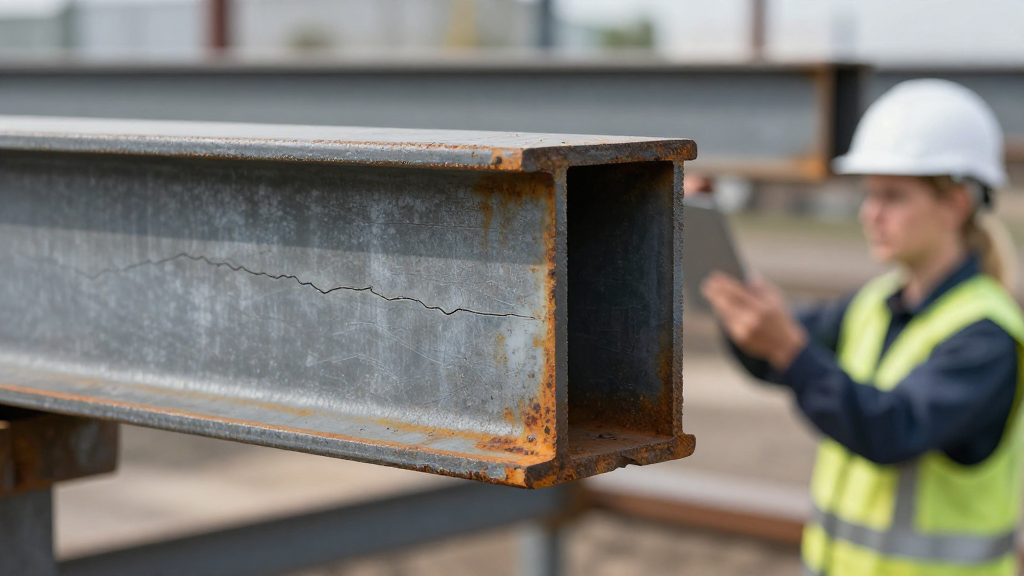
Understanding what causes beam fatigue over time is essential for engineers and architects alike.
Beam fatigue can lead to structural failures, costly repairs, and safety hazards in various types of buildings and structures.
What Is Beam Fatigue?
Beam fatigue refers to the weakening of structural beams due to repeated load cycles.
Over time, this gradual deterioration can compromise the structural integrity of buildings, bridges, and other infrastructures.
What Are the Main Factors Contributing to Beam Fatigue?
Several factors can lead to beam fatigue over time:
-
Material Properties
– Different materials react differently under stress.
– Common materials like steel, wood, and concrete each have their unique fatigue limits.
– The selection of subpar materials can significantly reduce the lifespan of a beam. -
Loading Conditions
– Static Loads: These are constant weights placed on the beam, such as the weight of the structure itself.
– Dynamic Loads: These include forces that change over time and can lead to higher fatigue. Examples include vehicles moving over a bridge or wind loads affecting tall structures.
– Repeated applications of dynamic loads create a cyclical stress environment that encourages fatigue. -
Environmental Factors
– Temperature Fluctuations: Extreme heat or cold can cause materials to expand or contract.
– Moisture Exposure: Water can cause corrosion in metallic beams or rot in wooden beams, leading to material degradation over time.
– Chemical Exposure: Pollutants or chemicals can weaken the bonds in materials, especially in concrete mixtures. -
Design Flaws
– Poor engineering designs can lead to overly stressful environments for beams.
– Inadequate reinforcement, miscalculated load distributions, or neglecting fatigue design principles can contribute to premature failure.
How Does Repeated Loading Cause Beam Fatigue?
The mechanics of beam fatigue revolve around repeated cyclic loading.
When a beam is subjected to repeated stresses, microcracks begin to form within the material.
Over time, these cracks propagate, leading to:
- Crack Initiation: The very first fractures appear in the microstructure.
- Fatigue Growth: With each load cycle, cracks extend and grow.
- Final Failure: Eventually, these cracks can result in a complete failure of the beam under load.
Understanding this process is critical for predicting the lifespan of structural elements.
Why Is Maintenance Critical in Preventing Beam Fatigue?
Regular inspections and maintenance can significantly reduce the effects of beam fatigue.
Here are ways maintenance can extend the longevity of beams:
- Identify Stress Points: Regular checks can reveal areas where stress is concentrated.
- Address Corrosion Early: Treating rust or rot before it spreads prevents larger issues.
- Reinforce Weak Areas: Adding support where fatigue is evident can uphold structural integrity.
Creating a comprehensive maintenance program will help keep beams in optimal condition and educate stakeholders about beam fatigue risks.
Can Beam Design Help Mitigate Fatigue?
Engineers can design beams to withstand fatigue better. Key strategies include:
- Use of High-Performance Materials: Materials designed to resist fatigue can add longevity.
- Optimized Geometry: A thoughtful cross-sectional shape can distribute loads more evenly.
- Inclusion of Redundant Supports: Adding extra beams or braces reduces stress on any single element.
What Are the Signs of Beam Fatigue?
Recognizing signs of beam fatigue is crucial for timely intervention:
- Visible Cracks: Surface cracks can signal underlying issues.
- Sagging or Warping: Structural misalignment can indicate excessive load or fatigue.
- Unusual Noises: Creaking or popping sounds can be indicators of material distress.
If you notice these symptoms, conducting a thorough inspection is imperative.
How Can You Assess Beam Fatigue?
Assessing beam fatigue involves several methodologies:
- Visual Inspection: Look for visible signs of damage.
- Load Testing: Physically applying loads to understand how the beam reacts.
- Non-Destructive Testing (NDT): Techniques like ultrasonic testing or strain gauges can monitor internal stresses and detect hidden faults.
When Should You Replace a Fatigued Beam?
Deciding when to replace a beam can be challenging. Here are key factors to consider:
- Severity of Damage: Has the crack extended beyond acceptable limits?
- Load Bearing Capacity: Can the beam still support its intended load?
- Cost-Benefit Analysis: Is it cheaper to replace the beam than to continuously repair it?
When in doubt, consulting with structural engineers can provide clarity and safety.
Conclusion: How to Manage Beam Fatigue Effectively
All engineers and construction professionals must prioritize understanding what causes beam fatigue over time.
Through careful design, materials selection, and regular maintenance, you can enhance the durability of your structures significantly.
In summary, a proactive approach can mitigate the risks associated with beam fatigue and extend the life of structural elements.
Regular inspections, maintenance, and strategic planning are vital in preserving the safety and integrity of your beams.
By paying close attention to the signs of fatigue and addressing potential problems, you can ensure the longevity and reliability of your structures far into the future.