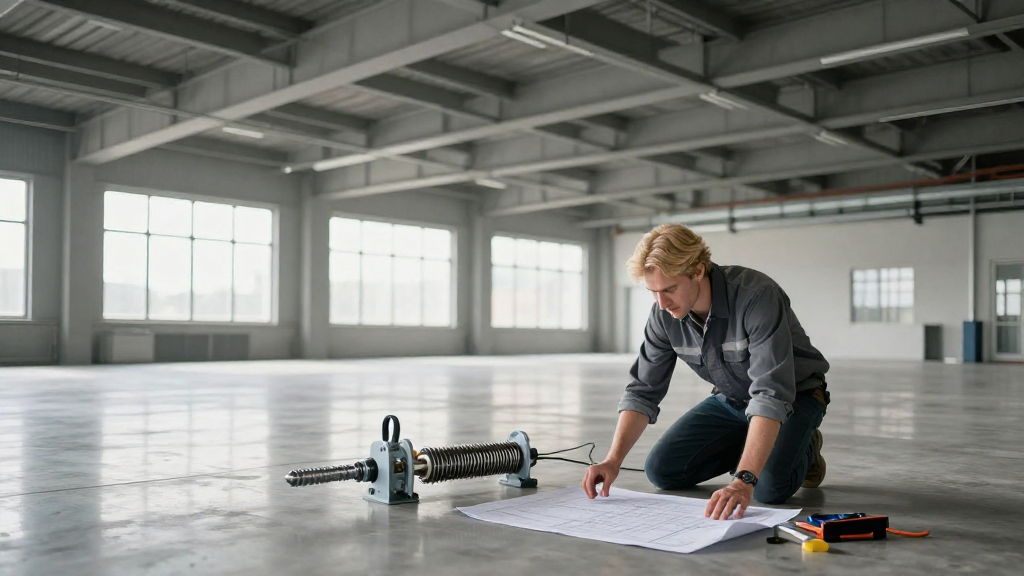
Controlling beam floor vibration is essential for ensuring structural integrity and occupant comfort in various constructions.
What Causes Beam Floor Vibration?
Beam floor vibration is often linked to dynamic forces generated by foot traffic, machinery, or external loads. Understanding these causes can enable engineers and builders to mitigate their effects effectively. Here are some common factors:
- Foot Traffic: Human movement can create rhythmic loading on beams.
- Mechanical Equipment: Generators, HVAC units, and other machinery can introduce vibrations.
- Wind or Seismic Activity: External forces such as wind loads or earthquakes can lead to beam oscillation.
- Improper Design: Beams that are not designed with load requirements in mind can lead to resonance issues.
Addressing these factors in the design and construction phases is crucial for minimizing beam floor vibration.
How Can You Minimize Beam Floor Vibration?
To effectively control beam floor vibration, several strategies may be employed, each depending on the specific conditions of the building. Below are some widely used methods:
1. Optimize Material Selection
- Damping Materials: Use materials that have high damping characteristics, such as rubber or viscoelastic composites.
- Stiffer Beams: Design beams using stiffer materials (like steel) which reduce vibration amplitude.
- Mass Influence: Increasing the mass of the floor system can effectively lower vibration sensitivity.
2. Design Considerations
-
Dynamic Analysis: Perform a thorough dynamic analysis of the structure during the design phase.
-
Load Distribution: Ensure that loads are distributed evenly across beams to minimize localized vibrations.
-
Cross-Bracing: Adding cross-bracing or shear walls can significantly increase the structural stiffness.
3. Implement Isolation Systems
-
Vibration Isolation Pads: Installing vibration isolation pads or mounts can absorb dynamic forces generated by equipment.
-
Spring Systems: Utilizing spring isolation systems can help mitigate vibrations from mechanical equipment.
4. Use of Damping Systems
-
Tuned Mass Dampers: Implementing tuned mass dampers can counteract specific frequencies of vibration.
-
Viscoelastic Damping: These systems can reduce the amplitude of beam floor vibrations by dissipating energy.
5. Regular Maintenance and Monitoring
-
Inspection Programs: Establish regular inspection programs to identify potential issues with beams and floors.
-
Monitoring Systems: Install monitoring systems to continuously track vibration levels and structural integrity.
What Are the Consequences of Ignoring Beam Floor Vibration?
Neglecting beam floor vibration can have serious repercussions, such as:
-
Structural Damage: Excessive beam vibrations can lead to structural fatigue or failure over time.
-
Occupant Discomfort: High vibration levels can disturb occupants, leading to decreased productivity in workspaces.
-
Equipment Malfunction: Sensitive equipment can be adversely affected, leading to operational inefficiencies or failures.
-
Reduced Building Lifespan: Ignoring vibrations can ultimately shorten a building’s lifespan.
Understanding these consequences underlines the importance of addressing beam floor vibration proactively.
Are There Codes and Standards for Beam Vibration Control?
Yes, there are several national and international codes as well as engineering standards that govern acceptable levels of beam floor vibrations. Important references include:
-
American Concrete Institute (ACI): ACI provides guidelines on structural design and vibration.
-
American Institute of Steel Construction (AISC): Standards for designing steel structures include considerations for vibrations.
-
ISO 2631: This international standard offers guidelines on the measurement and evaluation of human exposure to whole-body vibration.
Adhering to these standards helps ensure safety and performance in your structures, guiding engineers in controlling beam floor vibration effectively.
How Can You Assess Beam Floor Vibration?
Assessing beam floor vibration requires a combination of analytical and empirical methods:
-
Finite Element Analysis (FEA): This computational tool can model vibrations under various load conditions.
-
Field Measurements: Utilizing accelerometers and other instruments to measure vibration levels in real time provides insights into performance.
-
Dynamic Testing: Performing dynamic tests on beams can reveal how they respond to different types of loading.
-
Frequency Analysis: Assessing the natural frequency of beams can help in predicting potential resonance and mitigating related issues.
By employing these assessment techniques, you’re better equipped to manage beam floor vibration effectively.
When Should You Consult a Professional?
In complicated cases of beam vibration, or when standard mitigation methods do not suffice, consulting professionals is advisable. Reasons to engage with an expert include:
-
Complex Structures: Situations involving unusual loads or configuration require specialized knowledge.
-
Severe Vibration Issues: If existing measures fail to control vibration levels, it’s critical to consult an engineer.
-
Regulatory Compliance: When adherence to specific codes is necessary, professional guidance ensures compliance.
Conclusion
Managing beam floor vibration is instrumental in ensuring the safety, comfort, and efficiency of structures. By understanding the causes, utilizing effective strategies, adhering to codes, and regularly assessing your construction, you can significantly control vibrations.
Incorporating a mix of design considerations, material selection, and active isolation measures is essential to achieving a stable, vibration-free environment. Investing time and resources in managing beam-induced vibrations pays off in the long run, contributing to the durability of your structures.
If you’re addressing issues related to beam floor vibration or seeking to optimize your design, don’t hesitate to consult with a qualified structural engineer for tailored solutions. The quality of your construction depends on it!