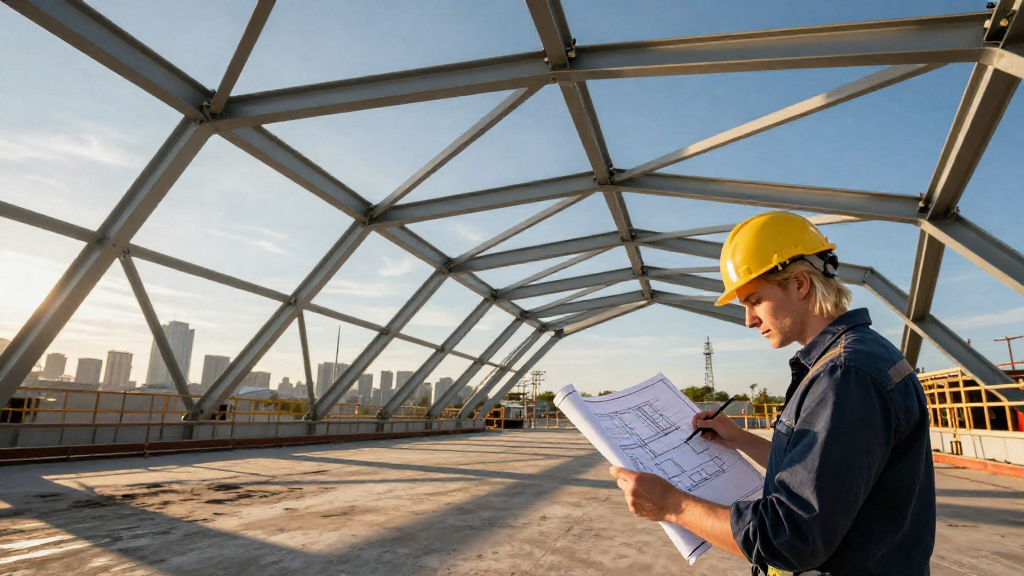
A beam in a space frame is a crucial component that contributes to the overall strength and stability of the structure.
This article will delve into the definition and importance of beams in space frame structures, their types, applications, and benefits.
What Is a Space Frame Structure?
Before understanding the role of a beam in a space frame, it’s essential to grasp what a space frame structure is.
A space frame is a three-dimensional framework of interconnected elements constructed from linear members, usually made of steel or aluminum.
These members create a strong yet lightweight structure that can efficiently distribute loads.
The interconnected nodes in a space frame allow for the transfer of loads in multiple directions, making them ideal for various architectural applications.
Why Are Beams Important in Space Frame Structures?
A beam in space frame structures serves several critical functions:
-
Load Distribution: Beams transfer loads from the roof or other structural members to the columns and foundations.
-
Stability: By connecting different components of the structure, beams contribute to the overall stability and integrity of the space frame.
-
Flexibility: Due to their design and flexibility, beams can adapt to various architectural styles and requirements, enabling innovative designs.
-
Efficient Material Use: Beams are designed to maximize strength while minimizing material use, contributing to cost-effective construction.
Thus, the importance of beams in space frame structures cannot be understated—they are vital for ensuring safety and longevity.
What Are the Types of Beams Used in Space Frame Structures?
Different types of beams can be employed in a space frame. Understanding these types can help in making informed decisions when designing or implementing structures.
1. Flat Beams
Flat beams are horizontal members that run parallel to the ground.
-
Applications: Roof structures, bridges, and floors.
-
Advantages: Cost-effective and easy to construct.
2. Cambered Beams
Cambered beams are designed with a slight upward curve in the middle.
-
Applications: Bridges, large roof spans.
-
Advantages: Reduce dead loads and resist deflection.
3. Tapered Beams
Tapered beams are wider at one end than the other, creating a sloped appearance.
-
Applications: Large structures needing reduced material weight while retaining strength.
-
Advantages: Enhanced load-bearing capacity and aesthetic appeal.
4. Composite Beams
Composite beams combine different materials, such as steel and concrete.
-
Applications: High-rise buildings and industrial structures.
-
Advantages: Optimize performance and durability.
5. Box Beams
Box beams are hollow structures with a rectangular cross-section.
-
Applications: High-load applications, such as cranes and lifts.
-
Advantages: Offer excellent strength-to-weight ratios and stability.
Each type of beam in a space frame structure has its unique characteristics tailored to meet specific engineering and architectural requirements.
Where Are Beams in Space Frame Structures Commonly Used?
Beams in space frame structures find applications across various industries, showcasing their versatility. Here are several common areas where they play a pivotal role:
1. Sports Arenas
Space frame structures provide the large open spaces required for sports arenas.
-
Example: Elliptical or domed roofs.
-
Benefits: Allows unobstructed views for spectators and enhances acoustics.
2. Airports
The expansive terminal spaces in airports often utilize space frames with beams for structural integrity.
-
Application: Roof structures and canopies.
-
Advantages: Lightweight construction that can support heavy loads from roofs and mechanical systems.
3. Exhibition Halls
Beams in space frame structures enable the creation of large, flexible exhibition spaces.
-
Application: Trade shows and exhibitions designs.
-
Benefits: The ability to adapt spaces quickly while maintaining a stable environment.
4. Industrial Buildings
Many industrial facilities rely on beams in space frame structures for practical design and operation.
-
Application: Warehouses and manufacturing plants.
-
Benefits: Maximizes usable floor space while supporting heavy machinery.
5. Bridges
Bridges often incorporate beams in space frame designs to distribute loads effectively.
-
Example: Truss bridges.
-
Advantages: Route heavy loads efficiently across spans.
These applications underline the versatility and effectiveness of beams in space frames across numerous fields.
What Are the Key Benefits of Using Beams in Space Frame Structures?
Incorporating beams into space frame structures offers several significant benefits:
1. Structural Efficiency
Beams allow for the spanning of long distances without the need for unnecessary columns.
- Maximizes usable space: Opens up interior design possibilities.
2. Cost-Effectiveness
Efficient use of materials leads to reduced construction costs.
- Less material wastage: Limits the need for over-engineered components.
3. Design Flexibility
Space frames can be designed in numerous shapes and sizes.
- Customizable solutions: Tailored to meet specific aesthetic and functional needs.
4. Lightweight Construction
Use of various beam types can reduce the overall weight of structures.
- Easier transportation: Facilitates efficient logistics during construction.
5. Speed of Construction
Prefabrication capabilities allow for quicker assembly on-site.
- Reduced labor time: Streamlines the construction process.
By leveraging these benefits, engineers and architects can create innovative structures that meet their functional and aesthetic requirements effectively.
Conclusion: The Essential Role of Beams in Space Frame Structures
The beam in space frame structures plays a vital role in modern architecture and engineering.
From load distribution and stability to versatility in applications, beams are essential components that contribute to the safety, efficiency, and aesthetics of these structures.
Understanding the different types of beams and their specific applications enables architects and engineers to create robust and innovative designs.
With the increasing demand for spacious and flexible architectural solutions, the use of beams in space frame structures will continue to rise, ensuring their integral role in shaping the buildings of the future.
With this knowledge, you can appreciate not just the structural importance of beams but also the innovative capabilities they afford to contemporary architecture.