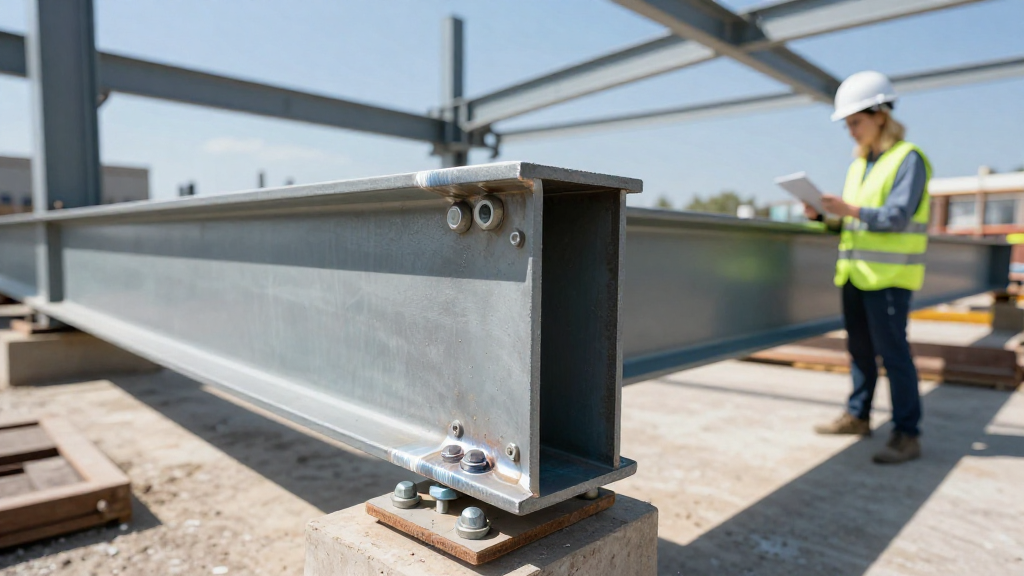
A beam moment connection is a critical element in structural engineering that plays a vital role in the stability and strength of buildings.
What Are Beam Moment Connections?
A beam moment connection is a type of structural joint that allows for the transfer of bending moments between beams and other structural elements, such as columns or walls. These connections are essential in ensuring that the loads and forces acting on a structure are effectively managed.
When properly designed, a beam moment connection helps to stabilize the overall framework. This prevents excessive sway or deformation, especially in tall buildings or structures subjected to dynamic loads like wind or seismic activity.
Why Are Beam Moment Connections Important?
Beam moment connections serve several critical functions in structural design and integrity:
- Load Transfer: They facilitate the transfer of loads across different structural elements, ensuring that forces are appropriately distributed.
- Stability Enhancement: These connections help maintain the stability of structures, particularly in high-rise buildings where bending moments can be substantial.
- Flexibility in Design: An effective beam moment connection allows for a wide range of architectural designs while ensuring structural safety.
- Resistance to Forces: Beam moment connections can absorb and dissipate energy during events like earthquakes or strong winds, providing added resilience to the structure.
How Are Beam Moment Connections Designed?
The design of a beam moment connection involves several steps and considerations:
- Material Selection: Engineers often choose materials like steel or reinforced concrete for their ability to withstand high bending moments and provide durability.
- Connection Type: Different types of connections—such as rigid, semi-rigid, or flexible—are selected based on the expected loads and required stiffness.
- Rigid connections allow for moment resistance.
- Semi-rigid connections can accommodate some flex while still providing significant moment resistance.
- Flexible connections are used in areas where movement is anticipated.
- Load Analysis: Structural engineers conduct thorough load analyses to determine the forces that will act on the moment connection.
- Detailing and Specifications: Proper detailing of the connection—such as bolt spacing, weld sizes, and plate thickness—is vital to ensure that the connection can effectively transfer moments without failure.
What Are the Different Types of Beam Moment Connections?
There are several variations of beam moment connections, each designed to suit specific structural requirements. Here are some common types:
-
Welded Connections: These are created by welding beams directly to the column or other structural elements, providing a rigid connection that can resist high moment forces.
-
Bolted Connections: In this method, bolts are used to fasten the beam to the column or frame. Bolted connections often allow for easier assembly and adjustments.
-
Combination Connections: These connections utilize both welding and bolting, offering the optimal benefits of both methods for enhanced strength and flexibility.
-
Braced Connections: These are often used in combination with diagonal braces to provide lateral stability while transferring moments effectively.
Where Are Beam Moment Connections Used?
Beam moment connections are predominantly found in:
-
High-rise Buildings: Here, the rigidity and strength of the connection are essential to support vertical loads and resist lateral forces from wind or seismic activity.
-
Bridges: Moment connections in bridges can help maintain structural integrity and proper load distribution.
-
Industrial Structures: Warehouses and factories often utilize beam moment connections to support heavy loads and equipment.
How Do Beam Moment Connections Impact Structural Performance?
The presence and design of a beam moment connection can significantly impact the performance of a structure. Here are ways they do so:
-
Improved Load Distribution: During bending or lateral forces, a well-designed moment connection helps distribute stress uniformly, reducing the likelihood of failure.
-
Enhanced Stability: Structures equipped with robust moment connections tend to exhibit lower deformation and sway, particularly under dynamic loads.
-
Safety and Compliance: Structural codes often mandate the use of beam moment connections in various scenarios to ensure safety standards are met.
What Challenges Are Associated with Beam Moment Connections?
While beam moment connections offer numerous benefits, they also pose certain challenges:
-
Complex Design Requirements: Accurately designing such connections requires advanced engineering knowledge and careful consideration of multiple factors.
-
Cost Implications: The materials and labor involved in producing strong moment connections can sometimes lead to higher overall construction costs.
-
Installation Issues: Proper installation is critical. Any misalignment or improper welding/bolting can lead to structural weaknesses.
-
Maintenance Challenges: Many moment connections require periodic inspection and maintenance to ensure ongoing structural integrity.
Conclusion: Why You Should Understand Beam Moment Connections
Understanding what a beam moment connection is and its implications in structural engineering can enhance your comprehension of how buildings withstand various forces.
As urban development continues to rise, the need for effective structural solutions like moment connections grows.
By choosing the right materials and designs—engineers can ensure that our buildings are not only aesthetically pleasing but also robust and durable.
Incorporating and mastering the intricacies of beam moment connections adequately equips engineers to innovate in the realms of architecture and structural safety.
Key Takeaways
- A beam moment connection is essential for transferring moments.
- Design choices play a crucial role in the performance of structures.
- These connections offer significant benefits but also come with challenges.
- They are widely used in high-rise buildings, bridges, and industrial structures.
Understanding beam moment connections is critical for successful and safe construction practices. By implementing them thoughtfully, structural integrity and safety are maintained, ensuring that our built environment remains resilient and stable.