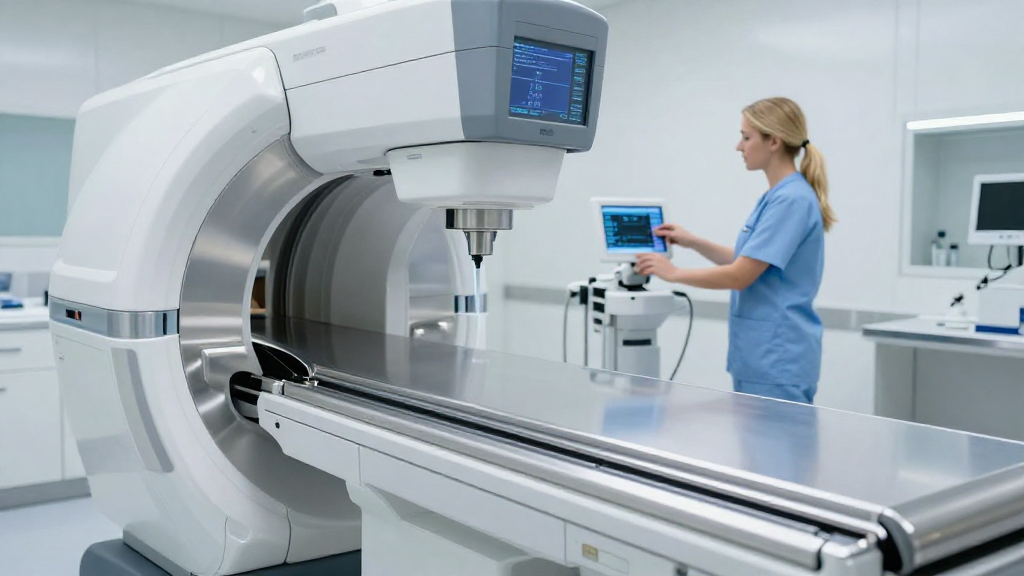
Beam radiation is a term that often arises in discussions surrounding cancer treatment, medical imaging, and nuclear physics.
This type of radiation plays a crucial role in various fields, particularly in medical therapies.
What Exactly Is Beam Radiation?
Beam radiation is a form of high-energy radiation that is concentrated into a directed beam.
This radiation can come from various sources, including:
- X-rays
- Gamma rays
- Electron beams
The primary purpose of beam radiation is to target specific areas within the body, especially during cancer treatment, where precision is vital for minimizing damage to surrounding healthy tissues.
It employs various sophisticated technologies, ensuring the radiation is accurately delivered to the targeted area.
Where Is Beam Radiation Used?
Beam radiation has a wide array of applications, primarily in:
1. Cancer Treatment
In oncology, beam radiation is often utilized in a process called radiation therapy or radiotherapy.
Here, doctors employ focused radiation to shrink tumors and kill cancer cells.
The most common types of beam radiation used in this context include:
-
External Beam Radiation Therapy (EBRT): This technique directs high-energy beams from outside the body onto the tumor.
-
Intensity-Modulated Radiation Therapy (IMRT): An advanced form of EBRT that allows for varying radiation doses to different shapes of the tumor while minimizing exposure to healthy tissue.
2. Medical Imaging
Beam radiation is also pivotal in diagnostic imaging techniques.
Some common applications include:
-
X-rays: Utilized to view the internal structures of the body.
-
CT Scans: Combine X-ray images to produce cross-sectional views, providing a more detailed look.
3. Radiation Safety in Nuclear Applications
In the nuclear industry, beam radiation is essential for the safe disposal of nuclear waste and the evaluation of radiation shielding.
It helps determine the effective protection measures people and the environment require against harmful radiation exposure.
How Does Beam Radiation Work?
To understand how beam radiation functions, it’s crucial to grasp a few fundamental concepts about radiation:
-
Ionization: Beam radiation can ionize atoms within the tissues it penetrates. This means it can knock out electrons from atoms, creating charged particles (ions) that may cause damage to DNA.
-
Dosage Control: One of the advantages of beam radiation is the ability to control the dosage and treatment duration, allowing healthcare professionals to design personalized treatment plans based on individual patient needs.
-
Targeting Precision: Modern beam radiation therapies use advanced imaging techniques that allow for real-time tracking of tumors, increasing the radiation dose to the target while sparing healthy cells.
What Are the Advantages of Beam Radiation?
The use of beam radiation in medical settings provides several significant advantages, including:
-
Effectiveness Against Tumors: When precisely focused, beam radiation can effectively destroy cancer cells, leading to tumor shrinkage.
-
Reduced Side Effects: Advanced techniques minimize exposure to surrounding healthy tissue, resulting in fewer side effects.
-
Non-invasive Procedure: Beam radiation is typically non-invasive, making it a less traumatic option compared to surgical interventions.
What Are the Risks and Side Effects of Beam Radiation?
While beam radiation is exceedingly beneficial, it is essential to understand its potential side effects. Common side effects may include:
-
Fatigue: A general sense of tiredness is common during and after treatment.
-
Skin Reactions: Patients may experience redness, blistering, or peeling in the treated area.
-
Hair Loss: This can occur in the area receiving radiation.
-
Changes in Organ Function: Depending on the treated area, there can be localized side effects affecting organ function.
Health professionals inform patients about these risks and outline appropriate management strategies to mitigate them effectively.
How Is Beam Radiation Planned?
The planning phase is critical in beam radiation therapy.
Healthcare teams utilize imaging techniques such as CT or MRI scans to develop a treatment plan tailored to the patient’s specific needs, taking into account:
-
Tumor Location and Size: Understanding the tumor’s dimensions helps determine the right technique and dosages.
-
Patient Health History: Past medical history might impact how the beam radiation is administered.
-
Collaboration Among Specialists: Oncologists, radiologists, and therapists work together to formulate a coherent treatment strategy.
This comprehensive approach helps enhance the effectiveness of beam radiation while reducing potential side effects.
What Are the Future Trends in Beam Radiation Therapy?
The field of beam radiation is constantly evolving.
Recent advancements include:
-
Proton Beam Therapy: This type of radiation therapy uses protons instead of traditional X-rays, offering a more targeted treatment with reduced side effects.
-
Artificial Intelligence (AI): AI technologies are now being integrated into radiation therapy planning and delivery, increasing precision and efficiency.
-
Personalized Treatment Approaches: With a greater understanding of genetics and individual response to therapy, personalized beam radiation therapies are on the rise, potentially improving outcomes.
Conclusion
In summary, beam radiation is a crucial tool in modern medicine, particularly in the treatment of cancer and various diagnostic imaging techniques.
Its precise targeting capabilities make it a powerful ally in the fight against tumors, while its continued evolution promises even better outcomes in the future.
As technology progresses and our understanding deepens, the effectiveness and safety of beam radiation therapies are anticipated to only improve, solidifying its place in contemporary medical practice.
For those considering this treatment, it is essential to have thorough discussions with healthcare providers to understand how beam radiation may be best suited to their unique medical situation.