Choosing the right tablet can make digital art feel natural, fast, and far less frustrating. From compact pen tablets to pen displays and standalone options, today’s drawing tablets cover every budget and workflow.
This roundup focuses on the best mix of value, performance, portability, and ease of use so you can find the right fit without overpaying for features you will not use.
Best 10 Drawing Tablets Picks for 2026
Compact Starter Pick
Wacom Intuos Small for Precise Everyday Drawing
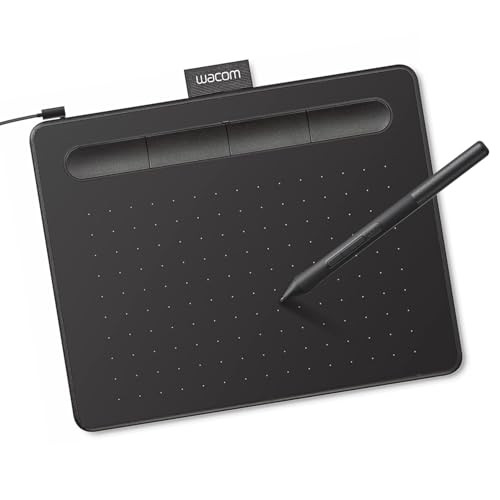
- Battery-free EMR pen with 4,096 pressure levels
- 4 ExpressKeys and wired USB-A connection
- Works with Windows, Mac, Android, and Chromebook
Best For: students, teachers, and beginners who want a trusted compact tablet
Large Beginner Pad
XP-Pen Deco 01 V3 for Easy First Sketches

- 10 x 6.25-inch drawing area with 8 shortcut keys
- 16,384 pressure levels and tilt support
- Compatible with Windows, Mac, Chrome OS, Linux, and Android
Best For: beginners who want a roomy tablet and simple shortcut access
Portable Screen Tablet
HUION Kamvas 13 Gen 3 for Color-Accurate Drawing

- 13.3-inch laminated screen with Canvas Glass 2.0
- 99% sRGB, Rec.709, and factory calibration report
- USB-C single-cable setup with 5 keys and dual dials
Best For: artists and illustrators who want a color-focused pen display
Screen-Based Sketcher
XP-Pen Artist12 for Learning and Editing

- 11.6-inch HD IPS display with anti-reflective protector
- Battery-free pen with 8,192 pressure levels
- 6 shortcut keys and a programmable touch bar
Best For: students and teachers who want a compact pen display
Budget-Friendly Large-Surface Pen Tablet
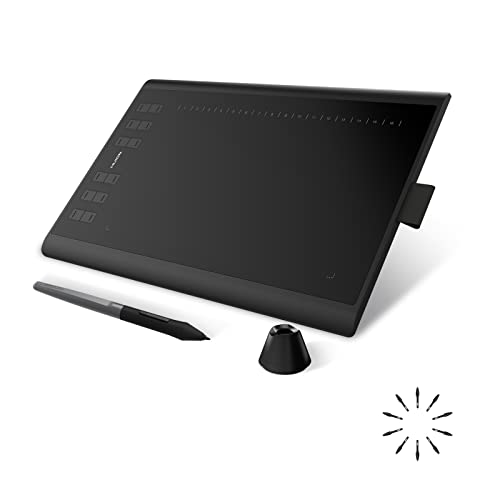
- 10 x 6.25 inch working area
- Battery-free stylus with 8192 levels
- 12 press keys plus 16 soft keys
Best For: Artists and hobbyists wanting a roomy, customizable pen tablet
Compact Starter Tablet
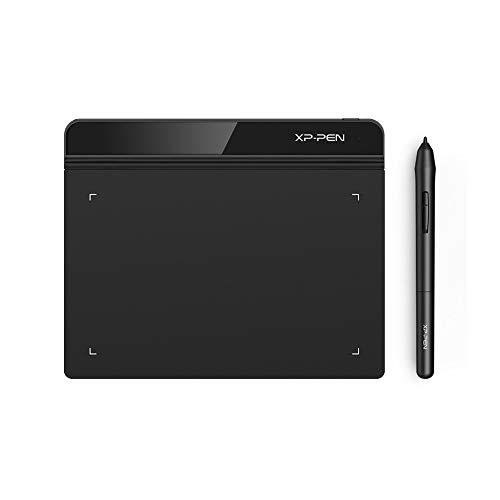
- 6 x 4 inch portable drawing area
- Battery-free pen with 8192 levels
- Works with Windows, Mac, and Chromebook
Best For: Beginners and teachers needing a compact, portable tablet
Portable Pen Display
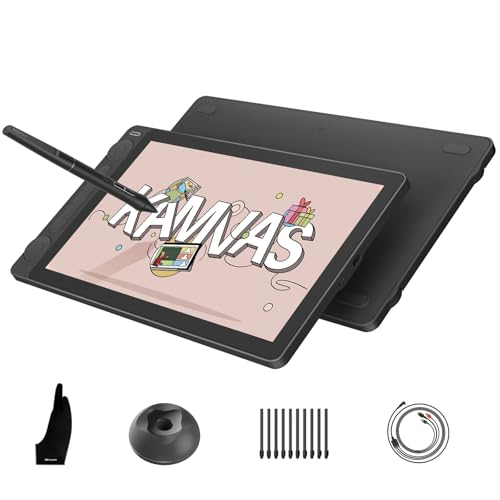
- 13.3-inch full-laminated pen display
- 16384 pressure levels with PenTech 4.0
- Dual dials plus five silent keys
Best For: Artists and designers wanting a color-accurate screen tablet
Budget Pen Tablet
UGEE M708 10x6 inch Drawing Tablet

- 10 x 6 inch active area
- 16384 pressure levels
- 8 customizable shortcut keys
Best For: Beginners and hobbyists who want a roomy computer drawing tablet
Standalone Starter Tablet
PicassoTab X11 11" Drawing Tablet

- Standalone tablet with no computer needed
- 11-inch laminated 2K screen
- Includes tutorials and bonus accessories
Best For: Beginners and students who want an all-in-one drawing tablet
Pro OLED Pen Display
XPPen Artist Ultra 14 Touch Drawing Tablet

- 2.8K OLED touchscreen display
- Dual 16K pressure styli
- 99% Adobe RGB / sRGB / P3 coverage
Best For: Professional creators who want a premium pen display with touch control
Compact Starter Pick – Wacom Intuos Small for Precise Everyday Drawing
If you want a reliable entry point into drawing tablets, the Wacom Intuos Small keeps things simple and precise. Its battery-free EMR pen, 4,096 pressure levels, and 4 ExpressKeys make it easy to sketch, edit, and mark up work across Windows, Mac, Android, and Chromebook.
Best For: students, teachers, and creators who want a compact wired tablet with Wacom’s pen feel.
Pros:
- Battery-free pen with Wacom EMR technology for a paper-like feel
- Works with Windows, Mac, Android, and Chromebook
- 4 ExpressKeys for quick shortcuts
- Includes software access and online training after registration
Cons:
- Small active area may feel limiting for larger strokes
- Wired USB-A connection only
Overall, this is a practical compact tablet for everyday digital art and photo editing, especially if you value dependable pen performance over extra bells and whistles.
Large Beginner Pad – XP-Pen Deco 01 V3 for Easy First Sketches
The XP-Pen Deco 01 V3 is a strong pick if you’re shopping for drawing tablets with plenty of room to practice. It combines a large 10 x 6.25-inch working area, 16,384 pressure levels, and a battery-free stylus with tilt support, making it approachable for beginners while still giving you room to grow.
Best For: beginners who want a larger drawing surface and easy shortcut control.
Pros:
- Large 10 x 6.25-inch active area for comfortable drawing
- 16,384 pressure levels and up to 60 degrees of tilt support
- 8 customizable shortcut keys for left- or right-handed use
- Works with Windows, Mac, Chrome OS, Linux, and Android
Cons:
- Not a pen display, so you draw on the tablet rather than the screen
- Best setup may depend on device and OS compatibility
For new artists who want an affordable-feeling workflow with a roomy surface, this tablet is a practical and flexible starting point.
Portable Screen Tablet – HUION Kamvas 13 Gen 3 for Color-Accurate Drawing
If you’re comparing drawing tablets with screens, the HUION Kamvas 13 (Gen 3) stands out for its laminated 13.3-inch display and improved color handling. It includes Canvas Glass 2.0, 16,384 pressure levels, and a USB-C single-cable setup, so it’s built for artists who want a more direct drawing experience while staying connected to a computer.
Best For: artists and illustrators who want a compact pen display with strong color accuracy.
Pros:
- Fully laminated 13.3-inch screen with anti-sparkle Canvas Glass 2.0
- 16,384 pressure levels and 2g initial activation force
- 99% sRGB coverage, Rec.709 support, and factory calibration report
- USB-C single-cable connection plus 5 shortcut keys and dual dials
Cons:
- Must be connected to a computer or laptop to work
- Full-featured USB-C cable is sold separately
This is a well-rounded pen display if color accuracy and a screen-based workflow matter more than standalone portability.
Screen-Based Sketcher – XP-Pen Artist12 for Learning and Editing
The XP-Pen Artist12 is a compact option among drawing tablets with screens, offering an 11.6-inch HD IPS display and a battery-free pen with 8,192 pressure levels. It’s aimed at users who want to sketch, annotate, or edit directly on the display, and it also works well as an extended screen for teaching or remote work.
Best For: students, teachers, and beginners who want an affordable pen display for drawing and presentations.
Pros:
- 11.6-inch 1920×1080 HD IPS display with anti-reflective protector
- Battery-free stylus with eraser and 8,192 pressure levels
- 6 customizable shortcut keys plus a programmable touch bar
- Useful for online education, remote work, and live note-taking
Cons:
- Must be connected to a computer to operate
- Requires HDMI and USB-A ports or adapters for setup
For users who want a smaller pen display and a straightforward creative or classroom workflow, this model covers the basics well.
Budget-Friendly Large-Surface Pen Tablet – HUION Inspiroy H1060P 10×6.25
If you want drawing tablets that give you more room to sketch without jumping to a display model, the HUION Inspiroy H1060P is a practical choice. Its 10 x 6.25 inch working area, battery-free stylus, and 8192 pressure levels make it a solid fit for drawing, painting, and everyday creative work.
Best For: Artists, students, and hobbyists who want a roomy pen tablet with shortcut keys and broad compatibility.
Pros:
- Large 10 x 6.25 inch active area for comfortable sketching and writing
- Battery-free PW100 stylus means no charging interruptions
- 12 programmable press keys plus 16 soft keys for custom shortcuts
- Supports Windows, macOS, Android, and Linux with left-handed rotation support
Cons:
- Does not work with iPhone or iPad
- Mac connection requires a USB adapter
- Android compatibility can vary by device, including some Samsung Galaxy S models
The H1060P stands out as an easy-to-recommend pen tablet if you want space, shortcut control, and a simple battery-free workflow. It is especially appealing for users who do not need an integrated screen but still want a responsive, flexible setup.
Compact Starter Tablet – XP-Pen Star G640 6×4
For buyers comparing drawing tablets on a budget, the XP-Pen StarG640 keeps things simple and portable. Its compact 6 x 4 inch area, battery-free stylus, and support for drawing, teaching, signatures, and remote work make it a versatile pick for light creative and productivity tasks.
Best For: Beginners, teachers, and remote workers who want a small, travel-friendly tablet for drawing and note-taking.
Pros:
- Very slim 2 mm profile for easy portability
- Battery-free PN01 stylus does not require charging
- Works with Windows, Mac, and Chromebook
- Useful for drawing, e-learning, e-signatures, and office apps
Cons:
- Small 6 x 4 inch active area may feel cramped for detailed art
- No built-in display
- Limited to a basic pen tablet layout with no listed shortcut keys
The Star G640 is a practical entry point if you want a compact tablet for everyday pen input rather than a full studio setup. It is best viewed as a lightweight, multipurpose tool for beginners and productivity-focused users.
Portable Pen Display – HUION Kamvas 13 Gen 3
If you prefer drawing tablets with a screen, the HUION Kamvas 13 (Gen 3) is built for a more immersive workflow. It features a 13.3-inch full-laminated display, anti-glare Canvas Glass 2.0, and a PenTech 4.0 stylus with 16K pressure sensitivity for precise digital art work.
Best For: Artists and designers who want a color-accurate pen display for detailed illustration and editing.
Pros:
- 13.3-inch full-laminated screen with anti-glare, paper-like surface
- PenTech 4.0 stylus with 16384 pressure levels and tilt auto-alignment
- 99% sRGB/Rec.709 and 90% Adobe RGB coverage with factory calibration
- Two dial controllers plus five silent press keys for efficient workflow control
Cons:
- Not a standalone device and must connect to a computer or laptop
- Requires compatible connection support for Android use
- More involved setup than a basic non-display tablet
Kamvas 13 (Gen 3) is the most advanced option here for creators who want direct-on-screen drawing and strong color handling. It makes the most sense for users who value precision, customization, and a more natural pen-display experience.
Budget Pen Tablet – UGEE M708 10×6 inch Drawing Tablet
If you want a straightforward drawing tablet for digital sketching and design, the UGEE M708 keeps things practical with a large 10 x 6 inch active area, 16384 levels of pen pressure, and an easy USB setup. It’s a solid pick for artists who want more room to draw without moving up to a display tablet.
Best For: Beginners, students, and hobbyists who want a roomy pen tablet with shortcut keys.
Pros:
- Large 10 x 6 inch active drawing space with a papery texture surface
- 16384 levels of pressure sensitivity for controlled line variation
- 8 customizable express keys to speed up common actions
- Wide compatibility with Windows, Mac, Android, Chrome OS, and Linux
Cons:
- No built-in display, so you draw on the tablet while looking at your screen
- Designed for computer use rather than standalone drawing
The M708 is a good fit if you want an affordable, well-sized pen tablet for everyday creative work. Its shortcut keys and broad software support make it especially useful for learning workflows and getting productive fast.
Standalone Starter Tablet – PicassoTab X11 11" Drawing Tablet
The PicassoTab X11 is a standalone drawing tablet made for users who want to create without connecting to a computer. With a laminated 11-inch 2K display, 4096-level pressure pen, preloaded creative apps, and beginner-focused tutorials, it’s built to be easy to start with right away.
Best For: Beginners, students, and casual artists who want an all-in-one tablet for drawing and learning.
Pros:
- Fully standalone tablet with no computer needed
- 11-inch laminated 2K screen for a more paper-like drawing feel
- 4096-level pressure-sensitive stylus for sketching and shading
- Includes bonus apps, tutorials, and accessories for getting started
Cons:
- Pressure sensitivity is lower than many advanced pen displays
- Best suited to tablet-based workflows rather than desktop setups
For a beginner-friendly option among drawing tablets, the X11 stands out because it combines hardware, apps, and tutorials in one package. It’s especially appealing if you want a portable creative device that can also handle schoolwork and multitasking.
Pro OLED Pen Display – XPPen Artist Ultra 14 Touch Drawing Tablet
If you’re shopping for high-end drawing tablets, the XPPen Artist Ultra 14 is built around a 2.8K OLED touchscreen with strong color accuracy and dual 16K styli. It adds touch gestures, a shortcut remote, and a slim bezel design for a more immersive creative workspace.
Best For: Professional illustrators, photo editors, animators, and creators who need premium display quality and precision.
Pros:
- 2.8K OLED display with 90Hz refresh rate and laminated, anti-glare glass
- 99% Adobe RGB, 99% sRGB, and 99% Display P3 color coverage
- Dual X3 Pro styli with 16K pressure levels and 60° tilt support
- Includes an ACK05 shortcut remote with 40 customizable keys
Cons:
- Advanced features are likely more than casual users need
- Touch support varies by operating system and setup
This is the most feature-rich option in the group, especially if color accuracy and a premium screen matter most. It’s a strong match for serious creative work where display quality and workflow speed are priorities.
How We Picked These Drawing Tablets
We prioritized pressure sensitivity, pen performance, active drawing area, shortcut controls, display quality where applicable, and compatibility with common creative software and operating systems. We also weighed portability, setup complexity, and overall value for the price.
Quick Comparison of Drawing Tablets
Pen tablets are usually the most affordable and portable, making them a strong choice for beginners and students. Pen displays let you draw directly on the screen, which many artists prefer for sketching and detail work. Standalone tablets are the most convenient for travel because they do not require a computer, but they typically cost more for the same level of performance.
Key Buying Factors for Drawing Tablets
Size and Active Area
A larger active area gives you more room for broad strokes and can feel closer to traditional drawing. Smaller tablets are easier to carry and fit neatly on compact desks.
Pen Technology and Pressure Levels
Look for a battery-free stylus with reliable tilt or pressure response. Higher pressure sensitivity can help with line control, shading, and brush variation, though overall pen feel matters more than the number alone.
Display Type
If you want to keep your eyes on the canvas, a pen display or standalone screen tablet may be worth it. If you are comfortable looking between tablet and monitor, a non-screen model usually delivers better value.
Buttons, Dials, and Workflow
Customizable shortcut keys and dials can speed up zooming, undoing, brush switching, and canvas rotation. They are especially useful for frequent digital painters and illustrators.
Compatibility and Setup
Make sure the tablet works with your device, operating system, and preferred art software. Some models need more desk space, extra cables, or driver setup, so simplicity may matter if you are a beginner.
Who Should Buy Which Drawing Tablets?
Beginners and students often do best with a compact or mid-size pen tablet because it is affordable and easy to learn. Artists who want a more natural sketching experience should consider a pen display. If you travel often or want a complete art setup without a laptop, a standalone tablet is the most convenient choice.
For most buyers, the best option is the one that matches your workflow, desk space, and budget—not necessarily the one with the highest specs on paper.