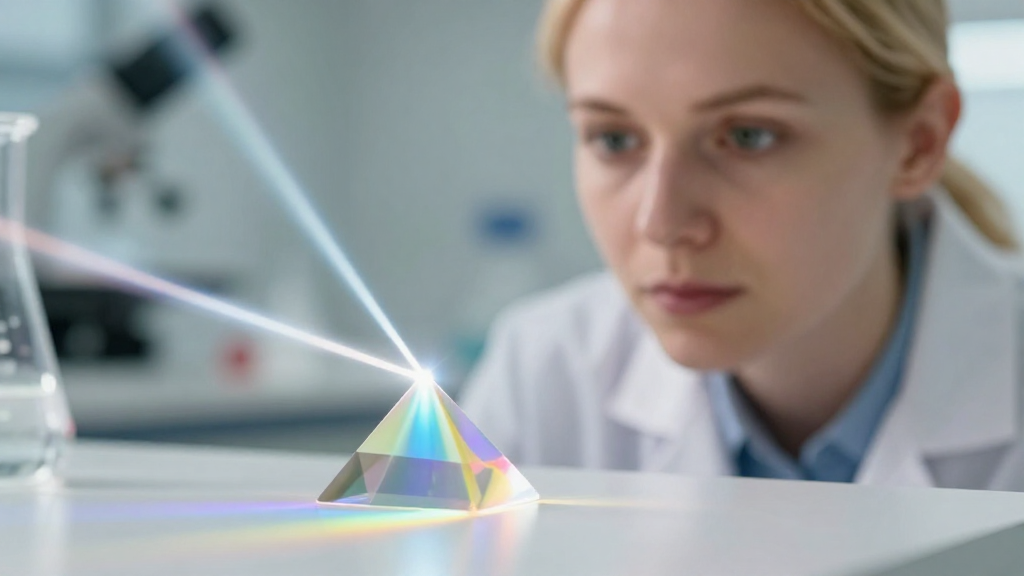
Beam absorption is a phenomenon observed across various scientific disciplines, particularly in physics, optics, and engineering.
In this article, we will explore the concept of beam absorption, its significance, applications, and the factors that influence it.
What Does Beam Absorption Mean?
Beam absorption refers to the process by which a beam of light or other electromagnetic radiation is partially or completely absorbed by a material.
When a beam encounters a medium, several interactions can occur:
- Reflection
- Transmission
- Absorption
In cases of beam absorption, the energy from the electromagnetic radiation is transferred to the material, often resulting in increased thermal energy. This energy transfer can influence temperature, phase changes, and even chemical reactions in the absorbing material.
Why Is Beam Absorption Important?
Understanding beam absorption is crucial for several reasons:
-
Photovoltaic Cells: In solar energy applications, beam absorption is vital for converting sunlight into electricity. The efficiency of solar panels largely depends on their ability to absorb light effectively.
-
Thermal Energy Applications: Beam absorption plays a key role in heating systems, such as solar water heaters, where beams of sunlight are absorbed to increase the temperature of water.
-
Spectroscopy: In analytical chemistry, beam absorption is utilized to determine the concentration of substances in a solution by measuring how much light is absorbed.
-
Laser Technology: The efficiency of lasers is often contingent on the material’s ability to absorb specific wavelengths of light.
-
Environmental Sciences: Beam absorption helps scientists understand atmospheric phenomena and the interactions of light with atmospheric particles.
What Factors Influence Beam Absorption?
Several factors can affect the extent of beam absorption in a given medium:
-
Material Properties:
– Different materials possess inherent properties that determine their absorption characteristics.
– Materials can be classified as absorbers, transmitters, or reflectors based on their interaction with light. -
Wavelength of Light:
– Different wavelengths are absorbed by different materials.
– For instance, ultraviolet (UV) light may be absorbed by glass but not by visible light. -
Incident Angle:
– The angle at which the beam strikes the surface of the material can influence how much light is absorbed.
– Steeper angles may lead to increased absorption depending on the material. -
Surface Texture:
– Rough surfaces can scatter light, leading to a higher probability of absorption compared to smooth, polished surfaces. -
Thickness of the Material:
– Thicker materials generally have a greater opportunity for photons to interact with the material, leading to enhanced absorption.
How Is Beam Absorption Measured?
Measuring beam absorption involves several techniques, including:
-
Absorbance:
– This common method uses the formula:
[
A = -\log_{10}(T)
]
– Where ( A ) is absorbance and ( T ) is transmittance. -
Spectrophotometry:
– This technique measures how much light is absorbed at specific wavelengths, allowing for precise analysis of materials. -
Infrared Thermography:
– This method evaluates the thermal response of a material to determine how much energy is absorbed. -
Optical Density:
– Optical density measurements provide insights into how much light is absorbed relative to how much was initially present.
What Are the Applications of Beam Absorption?
The applications of beam absorption span various fields:
1. Renewable Energy
- Solar Thermal Systems:
-
Utilize beam absorption to heat water or air efficiently using sunlight.
-
Solar Photovoltaic Panels:
- Convert sunlight into electricity via beam absorption, making renewable energy more accessible and efficient.
2. Industrial Processes
- Material Processing:
-
High-energy lasers rely on precise beam absorption to cut or engrave materials, allowing for intricate designs and modifications.
-
Chemical Reactions:
- Beam absorption is used in photochemical processes where specific wavelengths drive chemical transformations.
3. Telecommunications
- Optical Fiber Communications:
- Beam absorption affects signal transmission over long distances through optical fibers, influencing design and efficiency.
4. Medical Applications
- Thermal Therapy:
-
Techniques such as photothermal therapy utilize beam absorption to target cancer cells, heating them without damaging surrounding tissue.
-
Diagnostic Imaging:
- Certain imaging techniques, like infrared imaging, rely on beam absorption to visualize internal structures.
How Does Beam Absorption Affect the Environment?
Beam absorption also has crucial implications for environmental science:
- Climate Change:
-
Increased absorption of solar radiation by the Earth’s surface leads to warming, impacting global climates.
-
Pollution:
-
Particulate matter in the atmosphere absorbs and scatters light, affecting air quality and atmospheric processes.
-
Oceanic Absorption:
- Water bodies absorb sunlight, influencing the temperature and ecosystems of marine environments.
Conclusion
In summary, beam absorption is more than just a scientific concept; it has far-reaching implications across various fields including renewable energy, industrial processes, telecommunications, and even medical treatments.
Understanding how beam absorption works allows us to harness energy more efficiently, develop advanced technologies, and gain insights into environmental challenges.
By observing key factors such as material properties, wavelength of light, incident angle, surface texture, and material thickness, we can better comprehend and implement effective solutions in technology and science.
With continuous advancements in research and technology, the study of beam absorption is poised to remain a focal point of innovation and discovery in the years to come.