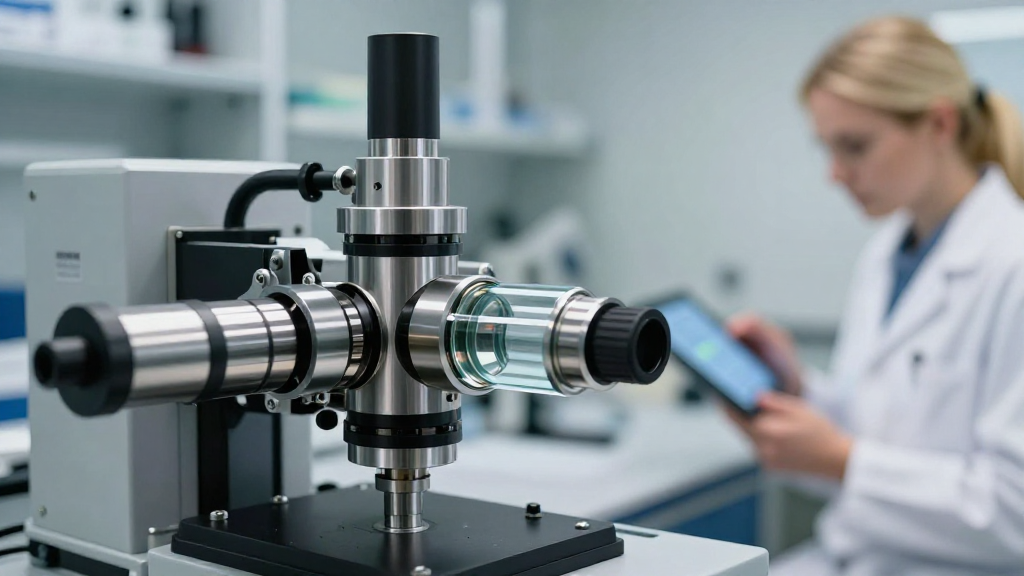
A beam collimator is an essential device used in various fields, including radiology, astronomy, and laser technology.
It plays a crucial role in managing the direction and shape of beams, enabling precise measurements and accurate imaging.
But what exactly is a beam collimator, and how does it work?
Let’s delve deeper into this fascinating piece of technology.
What Does a Beam Collimator Do?
A beam collimator primarily serves to focus or parallelize a beam of radiation, light, or particles.
In doing so, it minimizes the scatter and improves the quality of the information gathered from the beam.
The main functions of a beam collimator include:
- Narrowing the Beam: It restricts the beam to a specific area, reducing unwanted exposure.
- Focusing the Beam: It ensures that the beam remains concentrated, improving resolution and clarity.
- Minimizing Scatter: By restricting the angles at which photons or particles can emerge, it reduces the background noise.
This functionality is vital for disciplines such as radiology, where precision is paramount.
How Does a Beam Collimator Work?
The essential mechanism of a beam collimator relies on the concept of geometry and material.
1. The Geometric Design
The design of a beam collimator typically includes:
- Slits or Apertures: These openings determine the width and angle of the beam.
- Reflective Surfaces: These surfaces can direct the beam towards a specific target or area.
By altering these geometric components, professionals can customize the beam for various applications.
2. The Material Used
Materials employed in constructing a beam collimator are chosen based on their density and opacity. For instance:
- Lead is frequently used due to its high density, which effectively absorbs unwanted radiation.
- Aluminum and other metals can be used for situations requiring lighter, less dense materials.
The selection of materials greatly influences the performance of the beam collimator.
What Are the Types of Beam Collimators?
Beam collimators come in various types, each designed for specific applications. Here are some common types:
1. Parallel Beam Collimators
This type keeps the beam parallel, which is essential for applications like radiotherapy.
2. Converging Beam Collimators
These collimators are designed to focus the beam to a single point.
They are often used in applications like microscopy.
3. Diverging Beam Collimators
Diverging collimators are useful in applications where you need the beam to spread out over a larger area.
They find applications in fields like spectroscopy.
4. Variable Collimators
Some collimators allow for adjustments in beam shape and size.
This versatility makes them suitable for research and development.
Where Are Beam Collimators Used?
The applications of a beam collimator are vast.
Here are some fields that depend on this crucial device:
- Medical Imaging: Used in X-ray and MRI machines to focus the radiation beams.
- Radiotherapy: Collimators help shape the beam to target tumors while sparing surrounding healthy tissue.
- Astronomy: Used in telescopes to manage light from distant celestial objects.
- Industrial Testing: In non-destructive testing, beam collimators detect flaws in materials.
The utility of a beam collimator can’t be understated.
What Are the Advantages of Using a Beam Collimator?
Using a beam collimator offers numerous benefits, such as:
- Improved Precision: Minimizes scatter for more accurate results.
- Enhanced Safety: Reduces unnecessary exposure to radiation in medical settings.
- Better Resolution: Focusing the beam improves the clarity of images.
- Versatility: Adaptable for multiple applications and industries.
With all these advantages, it’s clear why beam collimators are indispensable in many scientific and industrial fields.
What Are the Limitations of Beam Collimators?
Despite their significant benefits, beam collimators have limitations, including:
- Cost: High-quality collimators can be expensive.
- Complexity: Certain applications require sophisticated designs that can complicate usage.
- Size: Larger collimators may not be practical in all settings.
It’s important to weigh these disadvantages against the potential benefits when considering the use of a beam collimator.
How Do You Choose the Right Beam Collimator?
Selecting the appropriate beam collimator depends on various factors:
1. Application Needs
Determine what you need the collimator for, whether it’s medical imaging, industrial testing, or research.
2. Sensitivity Requirements
Some applications may require a more sensitive collimator to detect slight variations.
3. Budget Constraints
Understanding the financial aspect is vital since prices can vary widely.
4. Size and Configuration
Consider the space available for the collimator and how it fits into your existing setup.
By taking these factors into account, you can choose the best beam collimator for your specific needs.
Conclusion: Why Understanding Beam Collimators Is Important
In summary, a beam collimator is a vital tool for managing beams of light, radiation, or particles across various sectors.
Understanding what a beam collimator is and how it operates can significantly impact your work, especially in fields that require precision and clarity.
As technology continues to advance, the importance of beam collimators will likely grow, paving the way for more accurate and efficient applications.
Keep in mind the types, applications, advantages, and limitations when considering a beam collimator for your needs.
Investing in the right collimator can lead to improved outcomes in any field where precise measurements are essential.