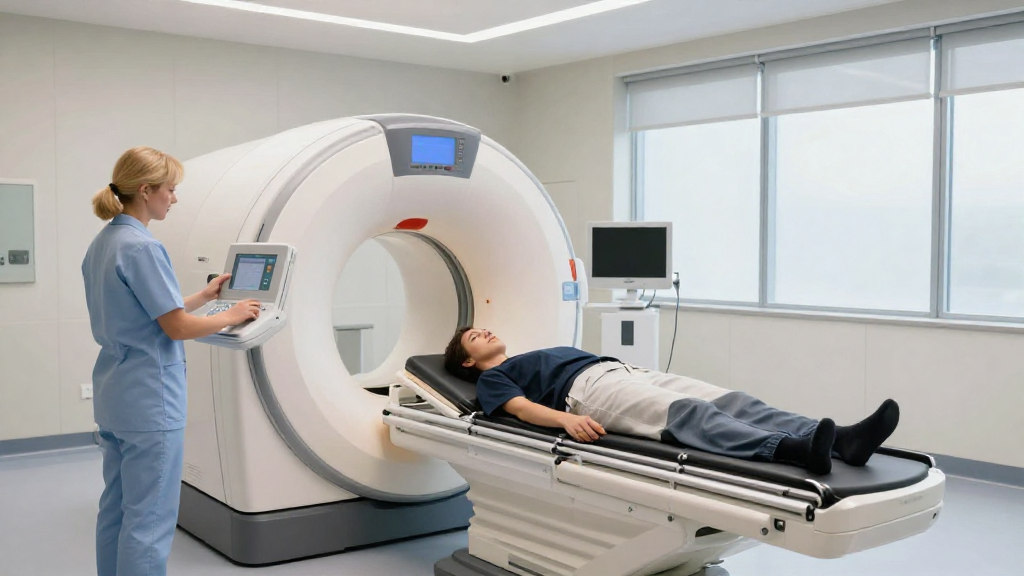
Beam radiation therapy is a groundbreaking cancer treatment designed to destroy cancer cells while minimizing damage to surrounding healthy tissue.
This article explores the intricacies of beam radiation therapy, its types, techniques, benefits, and potential side effects.
What is Beam Radiation Therapy?
Beam radiation therapy, sometimes referred to as external beam radiation therapy (EBRT), utilizes high-energy radiation beams targeted at a tumor.
The principle behind this treatment is to disrupt the DNA of cancerous cells, preventing them from growing and dividing.
How Does Beam Radiation Therapy Target Cancer Cells?
The treatment process involves several key steps:
-
Diagnosis: A thorough assessment of the patient’s cancer type and location is conducted.
-
Treatment Planning: Advanced imaging techniques like CT scans and MRIs help in precisely mapping the tumor’s position.
-
Simulation: Patients undergo a simulation session where they are positioned in the exact manner they will be for treatment.
-
Delivery of Radiation: With the aid of a linear accelerator, radiation beams are carefully directed at the tumor from multiple angles to maximize dosage to the cancer while protecting nearby healthy tissue.
What Are the Different Types of Beam Radiation Therapy?
Understanding the types of beam radiation therapy is crucial for patients and families considering treatment options.
-
Conventional Radiation Therapy: Utilizes standard radiation doses and is typically delivered over several weeks.
-
Stereotactic Radiation Therapy (SRT): Delivers high doses of radiation precisely focused on the tumor, usually in fewer sessions.
-
Intensity-Modulated Radiation Therapy (IMRT): Employs advanced technology to modulate the intensity of radiation beams, allowing for tailored treatment to the tumor’s shape and size.
-
Image-Guided Radiation Therapy (IGRT): Combines imaging and radiation delivery to improve precision and accuracy.
Why Choose Beam Radiation Therapy?
Patients may opt for beam radiation therapy for several compelling reasons:
-
Localized Treatment: Targets specific areas with minimal impact on the surrounding healthy tissue.
-
Non-Invasive: Unlike surgery, beam radiation therapy is a non-invasive procedure.
-
Outpatient Procedure: Most patients can receive treatment without hospitalization.
-
Fewer Side Effects: When compared to some traditional therapies, side effects tend to be lighter and more manageable.
How Effective is Beam Radiation Therapy?
The effectiveness of beam radiation therapy varies depending on several factors:
-
Type of Cancer: Some cancers respond better to radiation than others.
-
Stage of Cancer: Early-stage tumors often have better outcomes compared to advanced-stage tumors.
-
Location of Tumor: Tumors located in easily accessible areas may respond better to treatment.
Despite these variables, studies indicate that beam radiation therapy can significantly improve survival rates and quality of life for many patients.
What Can Patients Expect During Treatment?
Understanding what to expect during beam radiation therapy can help alleviate anxiety for patients:
-
Initial Consultations: Patients will undergo various tests to determine their specific treatment plan.
-
Treatment Sessions: Typically, treatment occurs five days a week over several weeks.
-
Positioning: Patients will lie on a treatment table, often receiving marks on the skin for accurate positioning.
-
Treatment Duration: Each session usually lasts between 15 to 30 minutes.
-
Monitoring: Medical staff will continuously monitor patients during and after treatment.
Are There Side Effects of Beam Radiation Therapy?
While beam radiation therapy is generally well-tolerated, there can be side effects.
Potential side effects may include:
-
Fatigue: A common post-treatment experience, varying from mild to more pronounced.
-
Skin Changes: Redness, irritation, or peeling in the areas receiving radiation.
-
Localized Pain: Some patients might experience discomfort in the treatment area.
-
Changes in Appetite: Depending on the location of the tumor, some may encounter eating difficulties.
-
Long-term Effects: In rare cases, long-lasting effects can occur, necessitating ongoing monitoring and care.
Conclusion: Is Beam Radiation Therapy Right for You?
Beam radiation therapy represents a powerful tool in the arsenal against cancer.
However, the decision to undergo this treatment should follow careful consultation with healthcare professionals.
In summary, beam radiation therapy offers:
- Precision targeting of cancer cells
- Non-invasive treatment with outpatient benefits
- A variety of techniques tailored to individual needs
It’s essential to weigh the benefits with potential side effects and to maintain an open dialogue with your medical team throughout the treatment journey.
Successful cancer treatment is not just about the therapy itself but about the comprehensive care and support you receive along the way.
For those considering beam radiation therapy, remember: knowledge is power. Make informed decisions that align with your health goals and empower you to take control of your cancer treatment journey.